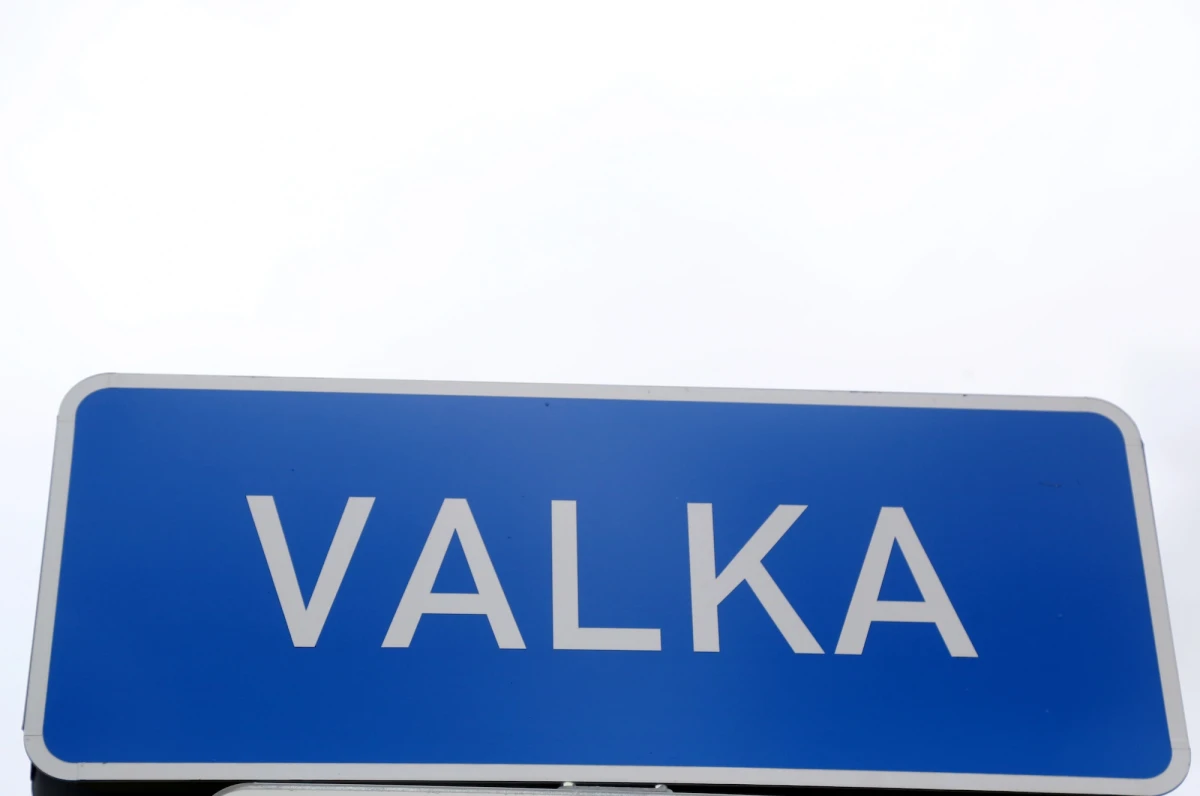
Starting June 20, the emergency medical assistance point in Valka will cease operations. The hospital explains the decision by a staffing crisis and the retirement of the main on-call doctor.
Starting June 20, the emergency medical assistance point on Rujienas Street in Valka will be closed. According to the Vidzeme Hospital, it is no longer possible to ensure the continued operation of the facility due to a shortage of medical personnel. An additional factor is the retirement of the main on-call doctor.
According to hospital representatives, the problem is not only local. The management of the institution has long been urging government authorities to reconsider the operational rules for such points and to allow paramedics to be on duty.
Currently, legislation stipulates that only certified doctors can provide assistance at emergency medical assistance points. The hospital believes that such requirements are increasingly out of touch with the real situation in the regions, where medical facilities are already experiencing a serious staff shortage.
Before making the decision, an assessment was conducted on how the closure of the point would affect residents. The analysis showed that the number of patients has been steadily declining in recent years. Currently, an average of less than two people visit the point each day. Most often, residents come for dressings, to address minor ophthalmological issues, to remove ticks, or to receive help for minor injuries.
At the same time, the capabilities of the point are already limited. There is no laboratory or X-ray equipment, and patients with serious conditions are usually referred to Valmiera.
For the residents of Valka, this means that for more serious health issues, a trip to Valmiera effectively remains the main option for receiving emergency assistance.
However, the hospital promises to maintain some services on-site.
After the closure of the point, it is planned to open a procedure room where dressings can be done, infusion therapy can be provided, and other medical procedures can be carried out.
In addition, the hospital management intends to expand the availability of outpatient care in Valka. In particular, increasing the volume of ophthalmological services is being considered, as a significant portion of visits are related to eye diseases. There may also be an expansion of gynecological assistance.
The situation in Valka has once again drawn attention to the issue of the shortage of medical workers in the regions, which is becoming one of the main threats to healthcare accessibility outside major cities.