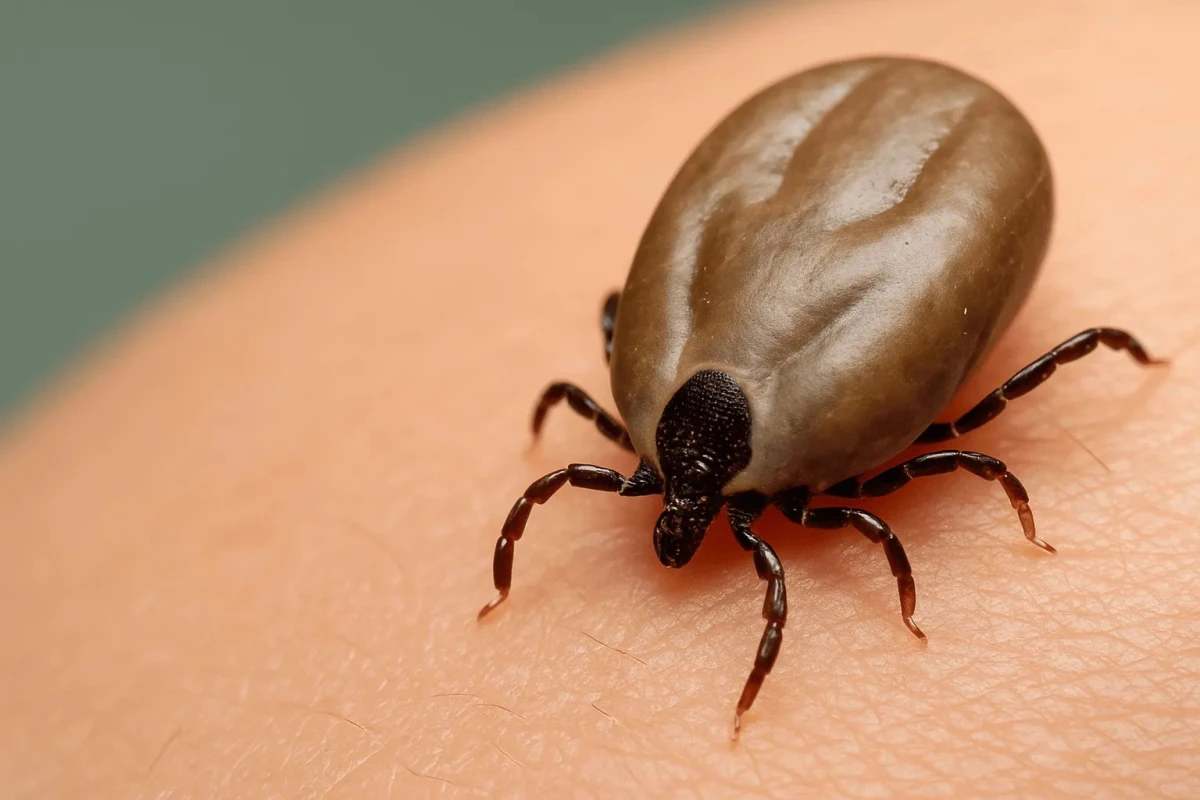
In 2026, ticks become dangerous not only for forest lovers: bites are recorded in urban parks, on playgrounds, and even on private lawns. Experts note that the peak activity of parasites occurs in the morning and evening hours.
The first wave of tick activity occurs in April–May, and the second in September–October. The greatest risk to humans arises at the end of spring and the beginning of summer, when the bloodsuckers are hungry after hibernation.
Their tactic is simple: a tick climbs onto a blade of grass, extends its front legs, and patiently waits. When a person or dog passes by, it grabs onto clothing or fur. After that, the parasite crawls upward in search of an exposed area of skin where it can attach itself unnoticed. The main habitats are parks, squares, yards, garden paths, old piles of leaves, and woodpiles.
Morning and evening: the time to go hunting
Ticks are creatures with a strict schedule. They are not active around the clock. Their main “working” hours are in the morning (from 8:00 to 11:00) and in the evening (from 17:00 to 20:00). During the hot midday hours, they hide in the shade, in the grass, and in damp places, waiting out the heat. Closer to sunset, when the air cools and humidity rises, they come out to hunt again.
The main danger of bites is the transmission of infections. Ixodes tick-borne borreliosis, or Lyme disease, is the most common illness found in those bitten by ticks. The disease begins with redness around the bite site and may be accompanied by weakness, headache, and fever. If a doctor is not consulted in time, the infection can spread to the joints, heart, and nervous system, making careful inspection after outdoor walks extremely important.
Tick-borne viral encephalitis is less common, but its consequences can be serious. The virus affects the brain and spinal cord, causing inflammation and neurological symptoms. In endemic regions, experts recommend not only protecting oneself from bites but also getting vaccinated to reduce the risk of this dangerous disease.
How to protect yourself
Experts provide recommendations:
- wear light, closed clothing;
- tuck pants into socks;
- use repellents;
- regularly inspect yourself and pets;
- take a shower and check clothing after walks.
If bitten by a tick, it is important to act carefully: go to a medical facility or remove the parasite yourself using tweezers or a tick remover, treat the wound with antiseptic, and monitor for symptoms of borreliosis.
By knowing the “hunting schedule” of ticks and the safety rules, one can minimize the risk of bites and enjoy nature peacefully. Information and prevention remain the best protection against these dangerous parasites.