

In 2025, more than one-fifth of residents of the European Union were at risk of poverty or social exclusion. In total, this amounts to about 92.7 million people, or 20.9% of all EU residents. While the situation is relatively stable in some countries, in others, the risk of poverty remains very high.
According to tv3.lv, the highest rates were recorded in Bulgaria, Greece, and Romania, where more than a quarter of the population lived under the risk of poverty or social exclusion. The lowest rates were in the Netherlands, Slovenia, Poland, and the Czech Republic.
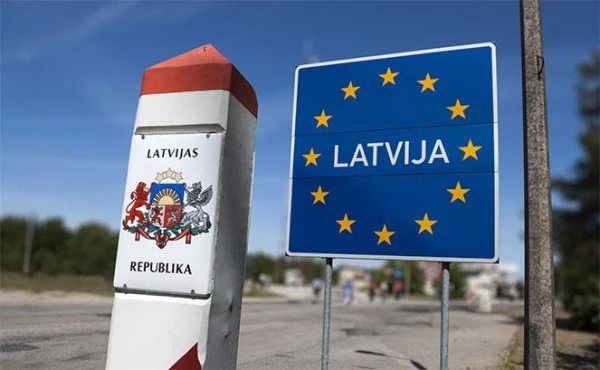
The situation in Latvia is particularly striking among households without children. In this category, 33.4% of residents were at risk of poverty or social exclusion — the highest rate in the entire European Union. This means that more than one in three people in childless households in Latvia faced financial difficulties or the risk of social isolation.
In households with children, the situation in Europe as a whole was slightly better, but the risk remained high. On average in the EU, 22.1% of people in households with children were at risk of poverty or social exclusion. The highest rates were in Spain, Romania, and Bulgaria.
The study shows that certain groups in society in Europe are particularly vulnerable. Women faced the risk of poverty or social exclusion more often than men. Among women, this rate reached 21.9%, while among men it was 19.8%.
The risk was particularly high among young people aged 18 to 24. More than a quarter of young people in the European Union lived under the threat of poverty or social exclusion. One of the most vulnerable groups were children and adolescents under 18 years old.
The level of education also plays a significant role. People with low education levels faced a significantly higher risk of falling below the poverty line compared to those with higher education. More than a third of people with low education in Europe were at risk of poverty or social exclusion. For those with higher education, this risk was more than three times lower.
The situation was particularly challenging among the unemployed. Two-thirds of the unemployed in the European Union were at risk of poverty or social exclusion. This clearly illustrates how important stable employment and income are for people's quality of life.
The risk of poverty or social exclusion is determined using the AROPE indicator. It combines three main factors: low income levels, severe material and social deprivation, and very low labor market participation in the household.
The goal of the European Union by 2030 is to reduce the number of people at risk of poverty or social exclusion by at least 15 million. However, Latvia's high rates, especially among people in households without children, indicate that social inequality and economic difficulties remain one of the most pressing issues in the country.












Leave a comment