Consumer prices in Latvia in March of this year increased by 1.9% compared to February, while annual inflation reached 3.4%, compared to 2.3% the previous month, according to data from the Central Statistical Bureau.
At the same time, the average level of consumer prices over the past 12 months compared to the previous 12 months increased by 3.6% in March.
The most significant impact on price changes in March 2026 compared to February was from transport services and goods (+1.1 percentage points), clothing and footwear (+0.3 percentage points), goods and services for recreation, sports, and culture (+0.3 percentage points), alcoholic beverages and tobacco products (+0.2 percentage points), and housing maintenance, water supply, electricity, gas, and other fuels (-0.2 percentage points).
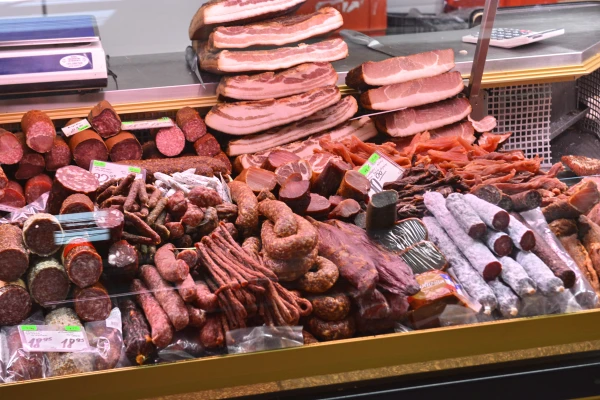
Prices for food and non-alcoholic beverages increased by 0.1% over the month. The largest contributors to the growth in this group were prices for meat products (+3%), fresh and chilled vegetables and fruits (+3.4%). After the end of promotions, prices for butter increased (+6.4%), dried, salted, and smoked meat (+1.7%). Fresh berries (+10.6%), fresh and frozen fish (+4.1%), eggs (+2.4%), and other fresh and chilled vegetables (+3.6%) also became more expensive.
At the same time, as a result of promotions, cheese (-3.1%), fresh, chilled, and frozen pork (-3.3%), coffee (-2.1%), bread (-1.1%), and fresh citrus fruits (-6.5%) became cheaper.
The average level of prices for alcoholic beverages and tobacco increased by 3.4% over the month, mainly due to the increase in the excise tax on alcohol starting March 1. Prices for alcohol rose by 3.5%, while tobacco products increased by 3.2%.
In the clothing and footwear group, prices increased by 5.7% over the month: clothing became 4.7% more expensive, and footwear rose by 9.4%.
Compared to March 2025, the most significant impact on the overall price level in March this year came from prices in the transport services and goods group (+1 percentage point), housing, water supply, electricity, gas, and other fuels (+0.8 percentage points), services and goods for recreation, sports, and culture (+0.3 percentage points), food and non-alcoholic beverages (+0.3 percentage points), and healthcare (+0.3 percentage points).
In the food and non-alcoholic beverages group, prices increased by 1.1% over the year. The largest contributors to price growth in this group were prices for coffee (+15.5%), fresh, chilled, or frozen chicken meat (+8.9%), eggs (+16.2%), dried, salted, and smoked fish (+35.3%), flour confectionery (+2.8%), fresh vegetables (+8.7%), beef (+15.3%), dried or smoked meat (+3.3%), citrus fruits (+5.8%), and fish (+3.7%).
At the same time, cheese (-6.5%), butter (-14.6%), dates, figs, and tropical fruits (-15.5%), olive oil (-22.5%), potatoes (-14.2%), skimmed milk (-4.9%), other fresh fruits (-8.3%), leafy vegetables (-11%), other fresh vegetables (-5.4%), pasta (-5.4%), chocolate (-2.5%), yogurt and similar products (-1.2%), flour (-4.8%), breakfast cereals (-0.4%), and bread (-0.6%) became cheaper.
Not everything is so bad, especially if you used to consume olive oil?