"I read on the portal bb.lv that from March 1, 2027, mandatory separation of paper, plastic, and metal waste will be introduced in Riga, as well as mandatory separate collection of biological waste in separate containers.
This is stipulated by the mandatory waste disposal regulations adopted by the Riga City Council for the administrative territory of the capital. Most importantly, the minimum collection frequency will be once every eight weeks for unsorted, paper, plastic, and glass waste, and no less than once every four weeks for biological waste.
Perhaps the gentlemen deputies are not aware that there is a certain category of residents – bedridden patients and infants/small children, whose lives are inextricably linked to hygiene items such as diapers, pads, and disposable sheets.
For example, in our family, there is such a bedridden patient, and the consumption of diapers is about 5-6 pieces a day. While we were sending them to the general container, as far as we know, all these hygiene items consist of a mixture of different materials, some of which do not decompose under natural conditions. According to the aforementioned regulations of the Riga City Council, such waste will be collected once a month. Do the gentlemen deputies imagine what smells will linger around the containers in homes where there are users of such hygiene products?! Or is there some other option for the disposal of such waste?"
Martins Vilemnsons, project coordinator of the external communication department of the Riga municipality:
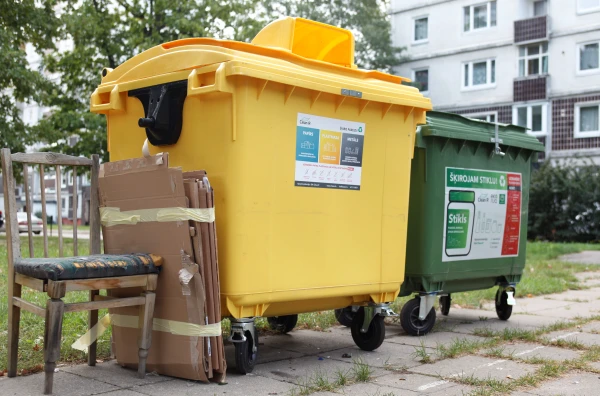
Diapers, hygiene pads, and disposable sheets will continue to be disposed of in containers for unsorted household waste (green color).
The current regulations define the minimum frequency of waste collection, which means that the waste collection schedule can be adjusted according to the actual situation and the volume of waste – for example, determining waste collection either once a week or every other day, etc.
However, the collection frequency cannot be less than the minimum defined in the regulations.