The average annual inflation in Latvia last year was 3.7%, reports the Central Statistical Bureau (CSB). In December 2025, compared to November, consumer prices decreased by 0.1%, while over the year - in December 2025 compared to December 2024 - they increased by 3.5%.
In December 2025, compared to December 2024, the greatest impact on the average level of consumer prices was from prices for goods and services related to housing (+1.2 percentage points), mainly due to the increase in electricity prices. Significant influences also came from prices for food and non-alcoholic beverages (+1.1 percentage points), various goods and services (+0.2 percentage points), goods and services for recreation and culture (+0.2 percentage points), and healthcare (+0.2 percentage points).
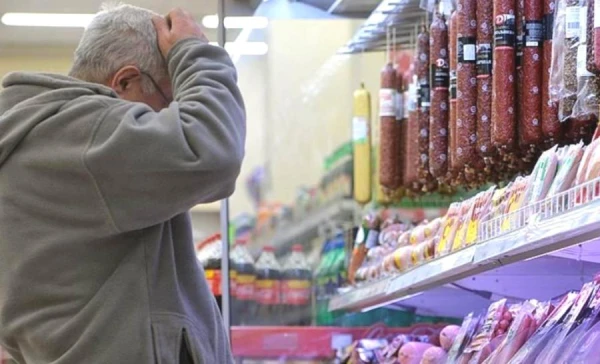
Food and non-alcoholic beverages increased in price by 4.2% compared to the previous year.
The most significant impact on the increase in the average price level in this group over the year was from prices for coffee (+26.4%), poultry meat (+15.9%), eggs (+17.4%), chocolate (+16%), and confectionery (+6.7%). Dried, smoked, and salted fish (+24.1%), dried, salted, and smoked meat (+2.2%), beef (+24.7%), and vegetable oil (+13.2%) also became more expensive, as did canned and processed fish and seafood (+7.4%), dried fruits and nuts (+11.9%), yogurt (+4.1%), fresh vegetables (+1.4%), tea (+8.6%), and bread (+0.8%).
Butter (-9.3%), flour and other grain milling products (-7.1%), olive oil (-12.5%), fresh fruits (-2.2%), potatoes (-7.6%), pork (-1.4%), and breakfast cereals (-8.7%) became cheaper.
The average price level for goods and services related to housing increased by 6.9% over the year. The most significant increase over the year was in electricity prices (+13.5%). Heating costs (+3.9%), housing management services (+7.9%), water supply (+10.3%), and sewage (+13.5%) also rose. Rental prices increased (+7.3%), as did maintenance and repair services (+10.3%), garbage collection (+5.1%), and natural gas (+2.2%). Solid fuel became cheaper (-1.8%), as did materials for housing maintenance and repair (-1.5%).
In the healthcare group, the average price level increased by 2.5%. Over the year, dental services, specialist doctor services, medical analysis laboratories, and X-ray centers became more expensive. Pharmaceutical products decreased in price.
Prices for goods and services for recreation and culture increased by 2.6% over the year, including subscriptions to television, leisure and sports services, fiction literature, newspapers and magazines, pet food, and comprehensive leisure services. Flowers became cheaper.
The average price level for restaurant and hotel services increased by 4.2% over the year. Prices for restaurant and café services increased by 4.3%, canteen services by 6.4%, and fast food by 7.9%. Hotel services decreased in price by 4.6% over the year.
In the group of various goods and services, prices increased by 4% over the year, mainly due to the increase in the cost of living in nursing homes. Personal hygiene and beauty products, jewelry, and hairdressing and beauty salon services became more expensive. Car insurance became cheaper.
In other groups, the most significant price increases over the year were recorded for tobacco products, clothing, telecommunications services, passenger air transportation, higher education, preschool education, maintenance and repair of personal vehicles, and passenger road transport. Fuel (-1.6%), beer, wine, spirits, and used cars became cheaper.
In 2024, the average annual inflation in Latvia was 1.3%, in 2023 it was 8.9%, in 2022 it was 17.3%, in 2021 it was 3.3%, in 2020 it was 0.2%, in 2019 it was 2.8%, in 2018 it was 2.5%, in 2017 it was 2.9%, and in 2016 it was 0.1%.