
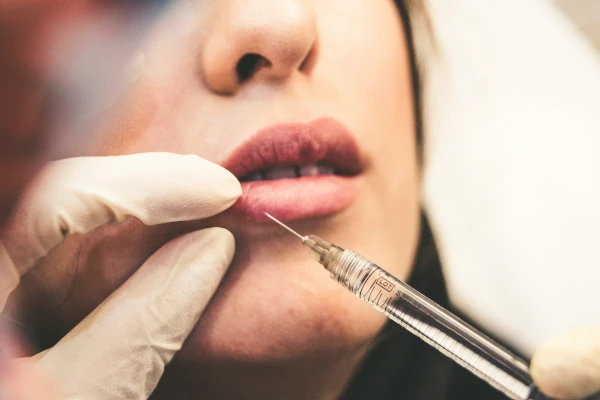
In order to improve the quality and safety of cosmetic services, starting this year, invasive procedures and high-risk equipment can only be applied by individuals with medical education and appropriate professional qualifications — for example, cosmetologists or cosmetology specialists, LETA reports citing the Ministry of Health.
This regulation has been introduced to ensure that even devices used for aesthetic purposes, but classified as medical equipment due to their risk level, are applied safely, consciously, and with consideration of the client's health status.
The Cabinet of Ministers' resolution clarifies the definition of "high-risk beauty services" — it emphasizes that before providing such services, the provider must inform the client about potential risks. Such services include, for example, procedures involving skin puncturing or the introduction of foreign bodies. Previously, requirements were defined for the conditions under which such services are provided, but not for the qualifications of the service provider themselves.
The Ministry of Health emphasizes that it is unacceptable for high-risk services to be provided by individuals who have only completed short courses on the use of specific equipment but lack sufficient knowledge to assess the appropriateness and potential risks of the procedure for a specific client.
For those who are already providing such services (for example, using laser technologies), a transitional period until June 30, 2028, has been established. Until obtaining medical professional status, working with such equipment is only permitted under the supervision of a certified medical specialist with expertise in cosmetology.
According to inspections by the Health Inspection, 52% of specialists use complex devices (including lasers), and 33% use medical equipment, often without the necessary qualifications.
The new rules align with EU regulations, which clarify the list of electrical devices classified as medical equipment.
Previously, the use of such devices was not regulated by unified and strict requirements. According to the Inspection and client complaints, such devices were often used by individuals without appropriate training, increasing health risks.
The Ministry also notes a growth in the market for medical and electrical equipment in the field of cosmetology. Against the backdrop of high demand, price competition is observed: both expensive modern devices and cheaper, often lower-quality alternatives are available.
Additionally, high-risk services can no longer be provided in a mobile format (at the client's home or the specialist's location) unless hygiene and epidemiological safety standards are ensured. The only exception is for premises with officially changed functional designations and the necessary infrastructure.
Specialists who have obtained qualifications within the professional structure of the cosmetology field typically study modules on epidemiology and hygiene for 50–160 hours — exceeding the minimum requirements. However, considering potential changes in the regulatory framework and emerging information about infectious risks, such specialists must undergo retraining every five years.
This requirement does not apply to medical professionals.










Leave a comment