
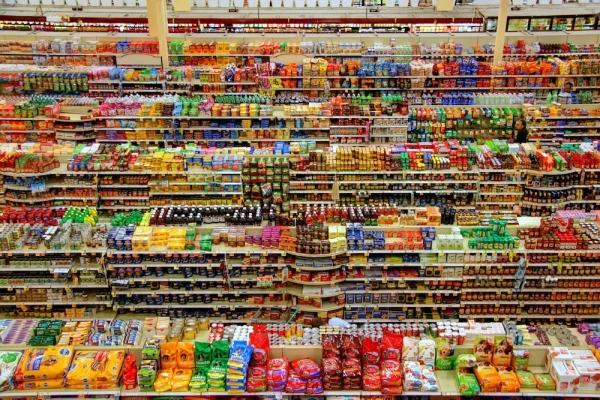
Latvia's Bank economist on the reasons for the rise in food prices.
Latvia's Bank economist Andrei Bessonov, summarizing the year from the perspective of inflation, paid special attention to the rise in food prices in our country on the Bank of Latvia's portal makroekonomika.lv.
"This year, the rise in food prices in Latvia has become one of the hottest topics among the population as well as in discussions among professionals. While food inflation in the eurozone is stabilizing, in Latvia it has increased by an average of 6.6%, making our country one of the leaders in food inflation in the eurozone. Discussions in society and among experts remain sharp, as the reasons for food inflation are not always obvious. Food is not a homogeneous product – the structure of its costs and demand dynamics vary significantly between different product groups. It is also surprising that food inflation in Latvia, especially in recent years, deviates from global trends in several product groups. For example, prices for dairy products in Latvia have risen, as they have globally, however, prices for grain products and bread are rising at a time when global grain prices have been falling for the third year. The dynamics of prices for olive oil are even more pronounced: in Spain and other European countries, where there was a good harvest last year, prices have been decreasing for over a year, while in Latvia they remain at high levels from previous years. These examples indicate that global factors cannot explain the situation in Latvia, and the rise in food prices is based on internal reasons.
Food prices in Latvia are rising faster than in other European countries, and for certain groups of goods, the price dynamics do not align with global trends, so the reasons should be sought within the country.
Internal inflationary pressure is fueled by a sharp rise in wages and high profit margins of companies, which has allowed producers and traders to fully pass on costs to consumers.
Food prices influence the inflation expectations of the population, creating second-round wage-price effects: rising prices increase inflation expectations and strengthen demands for wage increases, while rising wages, in turn, drive up prices.
The measures proposed by politicians - such as a low-price basket and temporary VAT reduction - can help reduce inflation if they can influence the inflation expectations of the population.
Therefore, it is important that political measures are now particularly aimed at stabilizing inflation expectations, stimulating competition in the industry, overseeing it, and addressing labor market issues.












Leave a comment