
Almost a third, or 27%, of residents of Latvia borrowed for unforeseen expenses or major purchases in the past year, representatives of Swedbank reported, citing a survey conducted.
“If you look at the statistics, the savings of residents of Latvia in Latvian banks are only growing. Complaints that everything is bad, that everyone will die, that everyone is sinking into poverty, well, the statistics show that this is not the case. People have more and more money, people have more and more disposable income. Everything is far from being that bad. You can go outside and see what is happening on the streets, in the shops, in the cars — everything is fine.
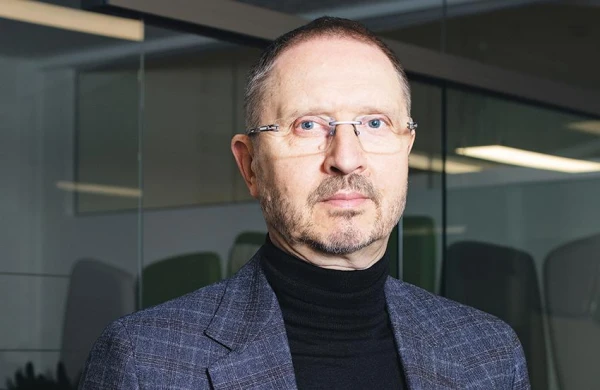
At the same time, it is worth dividing the picture into parts – government borrowing is normal and reasonable if this money is invested in development – factories are being built or things are being created that will increase the economy and tax revenues in the future, but if they borrow and spend on current expenses, then comparing this to the situation when a person goes to the bank, takes out a loan and goes on vacation to Egypt, it is quite a foolish borrowing,” says Normunds Bergs, an entrepreneur in electronics and IT, chairman of the board of AS “SAF Tehnika”, president of LIAK, member of the council of LTRK, on the air of TV24 in the program “Preses Klubs.”
He reminds that most Latvians know very well what happens when they take out loans and then cannot repay them — we all experienced the crisis of 2008. “Very many from the middle class had their apartments, houses taken away, and they were left in debt to the banks for decades at the moment when everything was taken from them, which in general caused quite a large dislike for bank loans in society and in business,” Bergs recalls.
Most people, namely 38%, took out loans over the past year to cover various unforeseen expenses, such as medical care or home repairs. This is followed by major purchases, for which 24% of respondents took out loans, and the purchase or repair of a car, for which 23% of respondents took out loans. Meanwhile, one-fifth, or 20% of respondents, used loans to cover everyday expenses.
Ieva Muzikante, head of the consumer finance department, notes that the survey data on borrowing correlates with the analysis of customer savings habits, which showed that almost half of residents do not have either the habit of regularly saving money or savings for unforeseen circumstances. Considering that the data on savings habits cover about 800,000 bank customers, they can be attributed to Latvian society as a whole. Muzikante notes that it is therefore quite logical that in the case of unforeseen expenses or major purchases, people have to borrow money.
Of all survey participants who admitted over the past year that they had to borrow for a major purchase or unforeseen expenses (27% of respondents), the largest share of borrowers is in the age group of 30 to 39 years (39%) and families with children (36%). Meanwhile, unforeseen expenses were particularly relevant for residents aged 50 to 59 years (48%), while young people aged 18 to 29 were more likely to borrow to cover everyday expenses (28%).
Evaluating the main sources of short-term loans, it is evident that 51% of borrowers borrow money from family members or friends, a third from the bank, and another third use the services of non-bank lenders. People with low and medium incomes of up to 1000 euros per month more often choose family, friends, or non-bank lenders, while people with higher incomes exceeding 1500 euros per month mainly turn to banks.
More than one-fifth, or 21% of respondents, predict that over the next year they will have to borrow to cover unforeseen expenses or larger expenditures. The planned loan amount is most often up to 5000 euros (55% of responses), and this money is mainly planned to be invested in home repairs. Most respondents plan to turn to the bank for this purpose.














Leave a comment