In the sessions on creating perfumes, you can make your own fragrance tailored to your tastes and preferences.
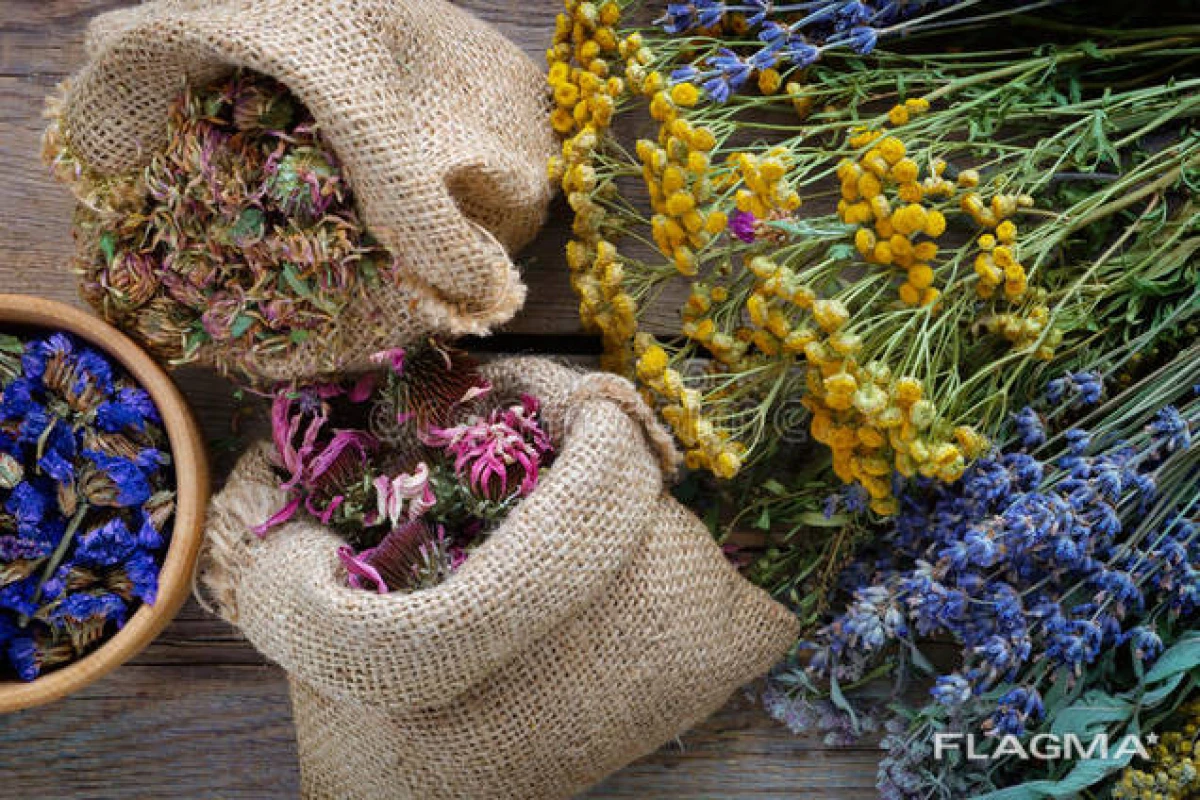
Greens and aromatic herbs are not only an important part of Polish cuisine but also a whole layer of traditions where culinary art and medicine intertwine.
Herbs are studied by one of the branches of the Warsaw Museum, which is directly related to this topic. It was presented by the museum's researcher, Aleksandra Kresowska.
Aleksandra Kresowska: "In the Old Town area, there is the Museum of Pharmacy. It is not just a museum where you can learn about the history of drug creation and the development of treatment methods, but also a place where fascinating workshops take place. For example, in the sessions on creating perfumes, you can make your own fragrance tailored to your tastes and preferences. My colleagues also conduct workshops on making various oils and other pharmaceutical products that can be used in everyday life.
Let's start with this. Our mini-lesson on Polish names for aromatic oils and herbal tinctures.
Olejek lawendowy — lavender oil
Olejek miętowy — mint oil
Olejek rozmarynowy — rosemary oil
Olejek eukaliptusowy — eucalyptus oil
Olejek z drzewa herbacianego — tea tree oil
Olejek rumiankowy — chamomile oil
Olejek tymiankowy — thyme oil
Nalewka z dziurawca — St. John's wort tincture
Nalewka z melisy — lemon balm tincture
Nalewka z szałwii — sage tincture
At the Museum of Pharmacy, you can attend one of the language workshops for foreigners about Polish names for spices and seasonings. It is led by Katarzyna Żak-Kaplot from the education department of the Warsaw Museum, one of the authors of the project "Warsaw for Intermediate Language Proficiency," which introduces foreigners studying the Polish language to the history and culture of the capital, thereby inviting them to integrate into the Warsaw community.
Katarzyna Żak-Kaplot:
- "Spices are a very important topic because they evoke a lot of emotions. We all love to talk about food, try new dishes, smell things, and check whether we like them or not. This always evokes emotions and encourages participants to talk, to reminisce, to compare what exists today and what was before, and, of course, to discuss what is most important to us. When we study a foreign language in a museum, it is important not only to learn the language itself but also to incorporate the museum space and cultural heritage that reminds us of something. Very often, when foreigners come to the Museum of Pharmacy, they compare how certain herbs and spices are used in their country and how they are applied here. This also helps them better understand and 'get used to' how life is organized in Warsaw and Poland.
And here again is our mini-lesson.
Sól — salt
Pieprz — pepper
Papryka — sweet or bell pepper
Cynamon — cinnamon
Goździki — cloves as a spice
Gałka muszkatołowa — nutmeg
Liść laurowy — bay leaf
Ziele angielskie — allspice
Kminek — caraway
The use of spices in cooking and herbs in the prevention and treatment of various ailments is directly related to the precise weighing of ingredients. And here, those who are just starting to learn Polish face a noticeable difficulty — understanding the system of measures. For example, when Poles say dziesięć deko, a foreigner, even one who has reasonably mastered the basics of the language, often finds themselves confused. And this simply means 100 grams.
Katarzyna Żak-Kaplot:
- "Of course, if we set aside the Anglo-Saxon system of measures, decagrams are indeed the biggest challenge for many. My husband is French, and getting used to the fact that even if he speaks in grams and is understood, the seller still responds to him using decagrams was initially a serious trial for him. Now, of course, he speaks Polish well and has gotten used to it after ten years. But the duration of his adjustment process amazed me incredibly. And we pay great attention to this during our classes in the museum — to such differences at the very basic level. When people come to a country, they have to adapt to local realities to some extent so that the cultural shock is a bit softer.
This is also the goal of our section. You will learn how to say the basic terms in Polish related to measures and weights right now.
Gram — gram
Kilogram — kilogram
Dekagram (deko) — 10 grams
Łyżeczka — teaspoon
Łyżka — tablespoon
Szklanka — glass
Szczypta — pinch
Puszka — can (tin)
Słoik — jar (glass)
Garść — handful
<iframe width="560" height="315" src="https://www.youtube.com/embed/e8Vt1okOiK0?si=dB1dEWS6rKClls4v" title="YouTube video player" frameborder="0" allow="accelerometer; autoplay; clipboard-write; encrypted-media; gyroscope; picture-in-picture; web-share" referrerpolicy="strict-origin-when-cross-origin" allowfullscreen></iframe>