
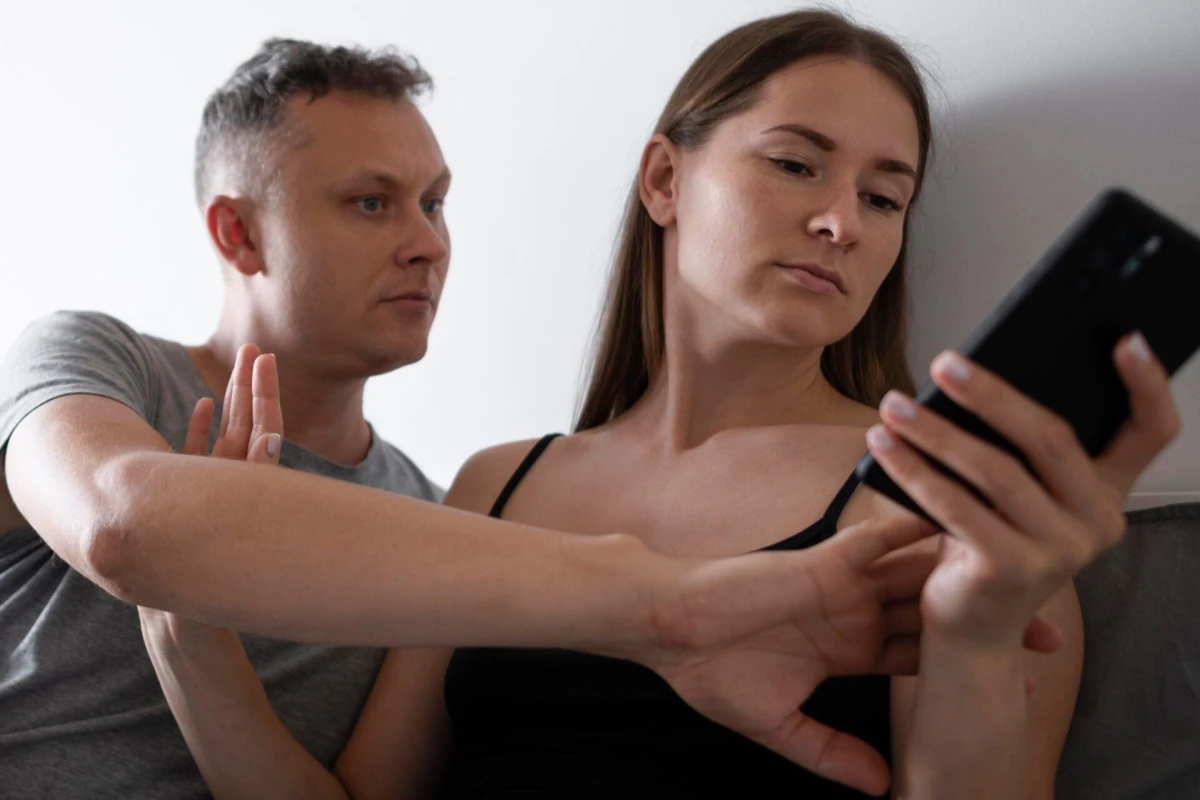
Likes on other people's photos, comments, and messages on social media have long been a source of jealousy and conflict in couples. Some consider virtual communication a harmless pastime, while others see it as the first signs of infidelity.
Psychologist Ekaterina Makarova explained where the line is drawn between ordinary interest and alarming signals that may indicate problems in relationships.
When Likes Are Not Dangerous
Social media has become a part of everyday life, and many users regularly browse photos, leave reactions, and comments. According to the psychologist, not every like signifies romantic interest or willingness to cheat.
The expert identifies several behavior patterns. In one case, a person openly tells their partner that they might like a beautiful photo or praise someone else's achievements. In another, they assure that they do not pay attention to members of the opposite sex at all. However, the most concerning scenario is the third option — when affections are carefully hidden.
"If a person shows interest in others secretly from their partner, it may already indicate issues with trust and safety in the relationship," the specialist notes.
When to Be Cautious
Much depends on how both partners view activity on social media. If browsing other people's pages is seen as entertainment and does not cause tension, there are usually no reasons for concern.
But if a person regularly seeks out accounts of attractive strangers, ex-partners, or people they have feelings for, the situation may be different. Sometimes emotional interest arises long before a person consciously realizes its significance.
According to the psychologist, in such cases, likes and comments may not be the cause of a crisis but rather its consequence.
It’s Important to Look at the Relationship as a Whole
The expert warns: constant monitoring of a partner's activity on social media, comparing oneself to others, and a painful reaction to every "like" often indicate not so much potential infidelity as issues with self-esteem and trust.
If the relationship is strong and there is openness and mutual understanding between partners, virtual affections rarely pose a serious threat. It is much more important to pay attention to the quality of communication, emotional closeness, and the ability to discuss emerging problems.
Psychologists believe that likes and comments in themselves do not constitute infidelity. However, they can signal hidden dissatisfaction, emotional distance, or a crisis in the couple. Instead of total control over a partner's social media, experts advise honestly discussing feelings and working on trust. It is open dialogue, rather than checking someone else's subscriptions, that helps maintain healthy and strong relationships.













Leave a comment