Many records since independence in 1960 have simply been lost.
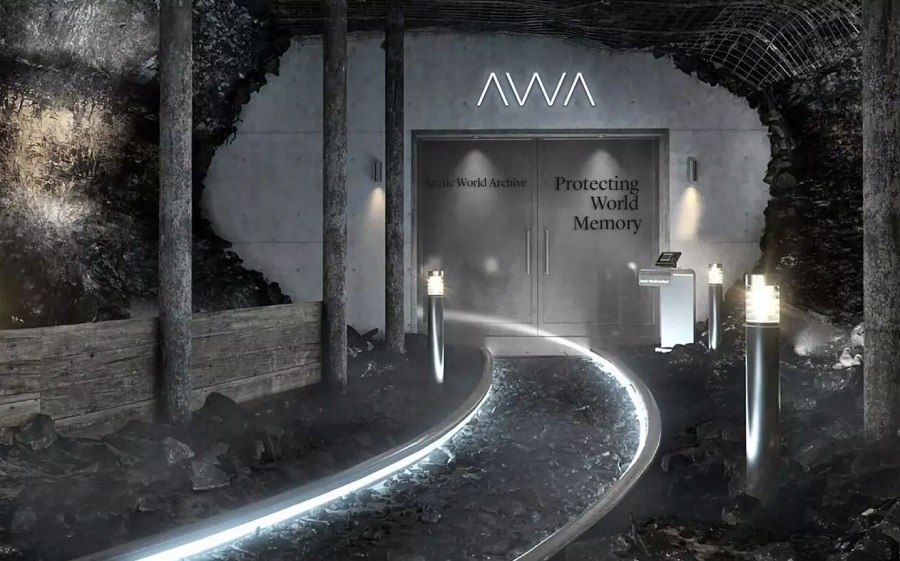
In Norway, on the demilitarized archipelago of Svalbard, there are two facilities created for preservation in case of global catastrophes: the Global Seed Vault and the Arctic World Archive (AWA), which stores important historical and cultural data.
Data in the AWA is kept 300 meters deep in an abandoned coal mine. The cost is high — about 9,000 euros for a small Piql film reel, which can preserve data for up to 2,000 years under ideal conditions.
As stated by Nigerian historian Nze Ed Emeka Keazor, who is one of the initiators of the data transfer to the archive, the problem for Africa often lies in the fragility of memory. Government archives in Nigeria are underfunded, many records since independence in 1960 have simply been lost, and recent studies by the Pew Research Center remind us that 38% of web pages from the last 10 years have disappeared forever.
What exactly was "frozen"?
The collection was gathered by 12 Nigerian organizations — from private galleries to presidential libraries, and it includes:
-
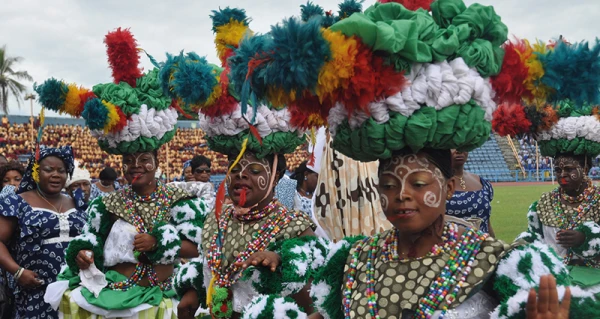
The history of peoples, including pre-colonial judicial systems and initiation rites;
-
Archives dedicated to the memory of the 1967 massacre in Asaba;
-
Music, film, art;
-
Manuscripts from local communities where oral tradition is still alive.
It is symbolic that the news came almost immediately after Nigerian director Akinola Davis Jr. received a BAFTA for his film "The Shadow of My Father," stating:
"One of the key things that has affected Africa is memory… we have not been oriented towards protecting and projecting our history.
<iframe width="560" height="315" src="https://www.youtube.com/embed/-rQc9olJKbc?si=ZhrEdUatHimQtYza" title="YouTube video player" frameborder="0" allow="accelerometer; autoplay; clipboard-write; encrypted-media; gyroscope; picture-in-picture; web-share" referrerpolicy="strict-origin-when-cross-origin" allowfullscreen></iframe>