
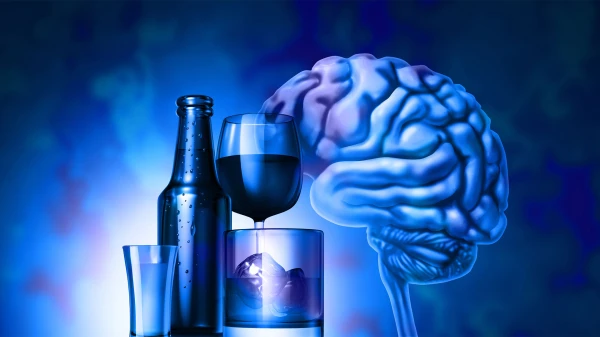
Alcohol is commonly perceived as a temporary pleasure, but its impact on the body begins just minutes after entering the bloodstream. At the cellular level, ethanol behaves like an aggressive poison, disrupting the function of blood, vessels, the nervous system, and the genetic apparatus of cells. And these processes have long been confirmed by scientific research.
How Alcohol Affects Blood
In a normal state, blood cells are covered by a thin lipid membrane. This not only protects them from damage but also provides an electric charge. Red blood cells have the same negative charge, which causes them to repel each other and move freely through the vessels.
Alcohol destroys this protective membrane. As a result, the electric charge disappears, and blood cells begin to stick together. Instead of free flow, clumps appear — agglutinations of red blood cells, which hinder blood circulation and can block small vessels.
The Experiment That Saw Blood from the Inside
In 1961, American scientists Naismith, Maskawy, and Pennington were the first in history to look inside a living human blood vessel. They used a special long-focus microscope and observed the vessels of the retina through the pupil.
During the experiment, the scientists noticed an unusual phenomenon: in some subjects, dense clumps of red blood cells were moving through the vessels. These agglutinations consisted of dozens and even hundreds of red blood cells and resembled "grape clusters."
After a survey, it was found that people with such clumps had consumed alcohol the day before. To confirm the hypothesis, the researchers had a completely sober person drink a mug of beer. Within minutes, the same alcoholic clumps of red blood cells appeared in his blood.
Why This Is Dangerous
Clumped red blood cells carry oxygen less effectively. This leads to oxygen deprivation of tissues, especially the brain. Microthrombi can block small vessels, causing localized damage, headaches, memory impairment, and decreased concentration.
Alcohol has long been known as a substance that coagulates blood in laboratory conditions. However, experiments have proven that this effect occurs inside a living organism as well, not just in a test tube.
Alcohol as a Cellular Poison
In medicine, ethanol is classified as a neurotropic and protoplasmic poison. This means it affects not only the nervous system but also all cells of the body without exception.
At high concentrations, alcohol kills cells. At lower doses, they may survive, but their division is disrupted. During reproduction, chromosomal defects occur — so-called "chromosomal bridges." As a result, cells with disrupted genetic balance are formed.
Genetic Consequences of Alcohol Consumption
Ethanol can cause DNA damage and gene mutations. This is especially dangerous for germ cells. They may retain the ability to fertilize, but the consequences manifest later:
- women who drink are more likely to experience spontaneous miscarriages;
- the risk of congenital physical and mental disorders in children increases;
- the development of the fetal nervous system is affected.
Even moderate and regular alcohol consumption increases the likelihood of such disorders, as cells accumulate damage over time.
Conclusion
Alcohol acts not selectively, but systemically. It disrupts the properties of blood, destroys cell membranes, distorts cell division, and interferes with the functioning of the genetic apparatus. These processes begin long before the appearance of external symptoms and are independent of the subjective feeling of "norm."















Leave a comment