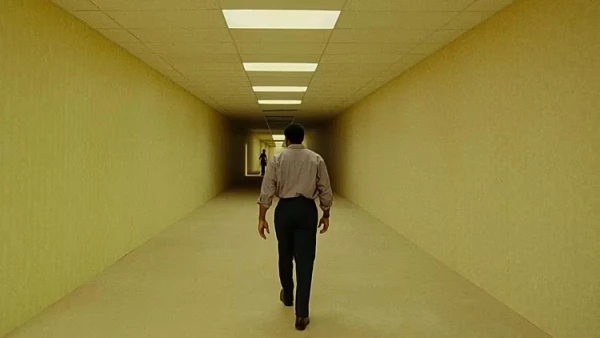
An excess of options and the fear of missing out on the best can paralyze relationship-building. Psychologists explain the causes of 'choice paralysis' and offer methods to overcome it.
What is 'Choice Paralysis'
The term describes a state of stress and inaction that arises from having too many alternatives. In romantic relationships, it manifests as a fear of committing to one partner while constantly comparing them to other possibilities.
Causes of Occurrence:
-
Excess of choice: modern apps and social media create the illusion of endless possibilities.
-
FOMO (fear of missing out): even in stable relationships, a person may fear the 'better option.'
-
Fear of commitment and perfectionism: high standards and the fear of making the wrong choice lead to indecision.
Signs of 'Choice Paralysis':
-
Frequent use of dating sites without real meetings.
-
Communicating with several people simultaneously without the intention of choosing someone.
-
Emotional restraint and postponement of important decisions (moving, marriage, children).
-
Comparing a partner to idealized standards.
How to Overcome 'Choice Paralysis':
-
Become a satisficer rather than a maximizer: identify 3–5 key values for a partner and focus on them.
-
Limit the choice field: set time frames for online dating or a digital 'detox.'
-
Work through deep fears: recognize what exactly you are afraid of — rejection, commitments, or past mistakes. Seek a psychologist if necessary.
-
Accept the risk of disappointments: any relationship can bring pain, but this should not paralyze your decision to act.
Conclusion: 'Choice paralysis' in relationships is a common effect of the digital age and perfectionism, but conscious work on choices and emotions helps build stable and fulfilling connections.