
There are two species of large predators living in the Land of the Rising Sun.
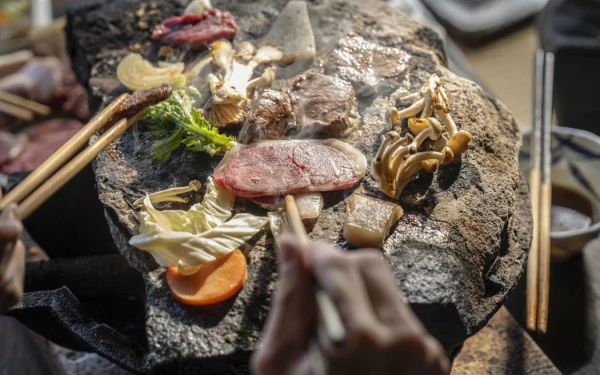
Due to a record increase in bear attacks in Japan, authorities are intensifying culling and encouraging the sale of bear meat. In Tokyo, restaurants are adapting to the new conditions, and dishes made from bear meat are gaining popularity, reports Le Figaro.
The meat, stewed with wild vegetables, comes from bears killed with government permission to curb attacks that have claimed a record 13 lives this year.
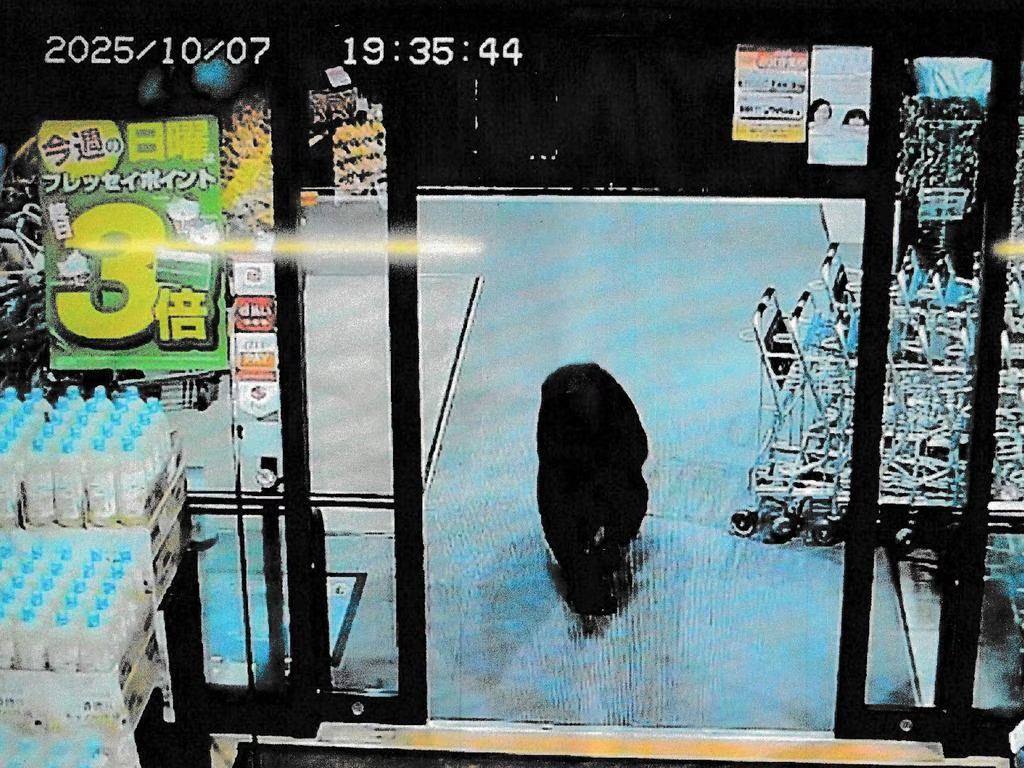
At the Koji Suzuki establishment, located in the hilly area of Chichibu near Tokyo, dishes made from deer and wild boar are also served, but the popularity of bear dishes has surged sharply after several months of widely publicized incidents: bears have broken into homes, roamed near schools, caused panic in supermarkets, and killed tourists and locals.
"With all this information about bears, the number of customers wanting to eat them has significantly increased," explains 71-year-old Koji Suzuki, who is also a hunter. "It's better to use the meat in a restaurant than to bury the carcass," he believes. His wife, Chieko, who manages the restaurant, says she regularly has to turn customers away, but she does not disclose the extent of the increase in visitor flow.
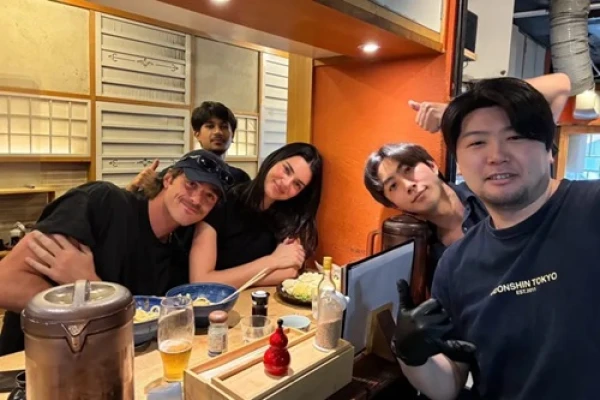
Takaaki Kimura, a 28-year-old composer who struggled to secure a table, tried bear meat for the first time with undisguised delight. "It's so juicy, and the longer you chew, the tastier it gets!" he exclaimed, smiling while sitting at the table with friends.
"It’s important to turn these pests into something useful."
By culling bears that can weigh half a ton and run faster than a person, authorities hope to stop the threat in some areas of northern Japan, writes Le Figaro.
The number of bear attack victims this year has already doubled the previous annual record, with four months remaining until the end of the financial year in Japan, which concludes at the end of March. Scientists explain this phenomenon by the rapid growth of the bear population, food shortages, and declining populations in some regions.
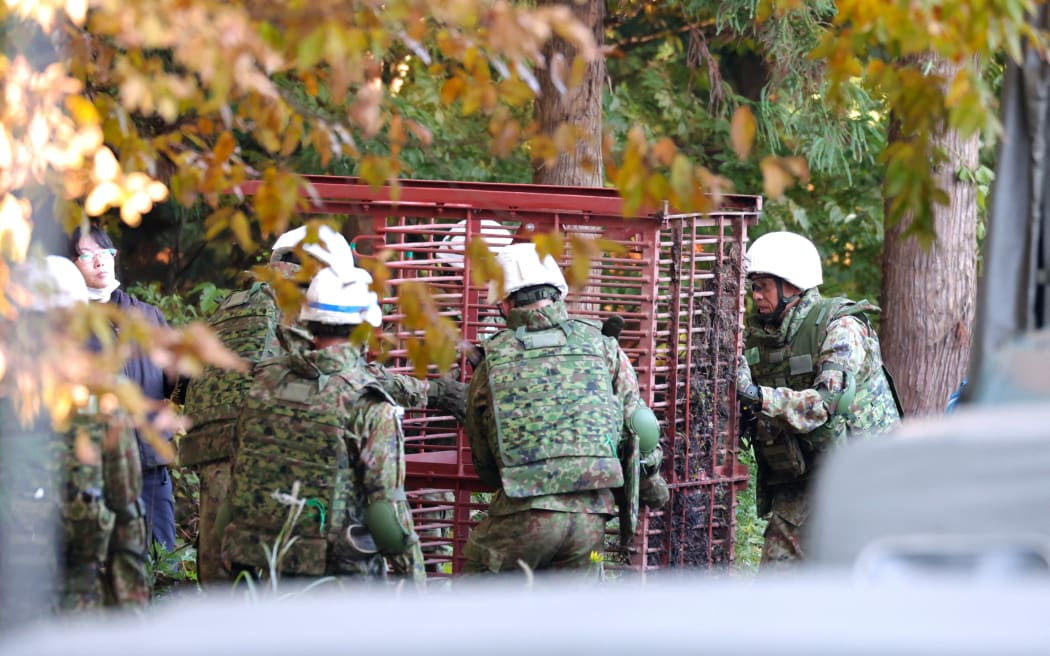
Authorities hope that bear meat can become a source of income for rural villages. "It’s important to turn these pests into something useful," insisted the Ministry of Agriculture in early December. Local authorities will receive 100 million euros to regulate the bear population and promote "sustainable" consumption.
Some restaurant owners do not need convincing, such as 50-year-old Katsuhiko Kakuta, who has managed a restaurant in Aomori Prefecture (northern Japan) since 2021, one of the regions most affected by bears. He says that earlier this month he sold out his entire stock of bear meat: "This year our establishment has attracted a lot of attention, especially after one of the bloggers mentioned us."
In Sapporo, on the northern island of Hokkaido, chef Kiyoshi Fujimoto now serves bear meat in his upscale French restaurant. "More and more people want to try it, and I stocked up on it," he told AFP. "Most of those who eat it say it’s very delicious!" the chef added.
Brown bears inhabit only Hokkaido, where their population has doubled over three decades, exceeding 11,500 individuals. Black bears, on the other hand, are widespread across much of the country.
However, the government has included bears on the list of animals subject to population control, lifting protective measures that allowed their populations to breed. The region plans to cull 1,200 bears annually over the next decade.
A significant portion of the meat from killed bears often goes to waste, mainly due to a lack of certified processing facilities. Japan has 826 slaughterhouses specializing in game, but only a few are located in the northern prefectures most affected by predator attacks.
Katsuhiko Kakuta's establishment has its own butcher shop that supplies bear curry and other dishes to the farmers' market and a nearby hotel. "Bear meat is a tourist resource for us," he says. "We use what would otherwise be buried as waste."















Leave a comment