French researchers have developed an innovative method for verifying the authenticity of artworks that allows for distinguishing originals from forgeries based on the characteristics of paint application. The development belongs to specialists from the Polytechnic University of Hauts-de-France in Valenciennes and was presented in the June issue of the scientific journal Surface Topography: Metrology and Properties.
The method is based on surface metrology technology — the science that studies the texture and microrelief of various materials. Using ultra-high-resolution scanning, researchers analyze the smallest details of the paint layer and capture the characteristic features of the brush strokes, which can be considered a kind of signature of the artist.
Previously, similar methods were mainly used in industry and engineering; however, researchers have now decided to apply them in the field of art history and art authentication.
To test the effectiveness of the new technology, specialists selected works by Vincent van Gogh. Digital scans of nine paintings recognized as authentic by the master were studied, after which the method was tested on two canvases that had doubts regarding their authorship.
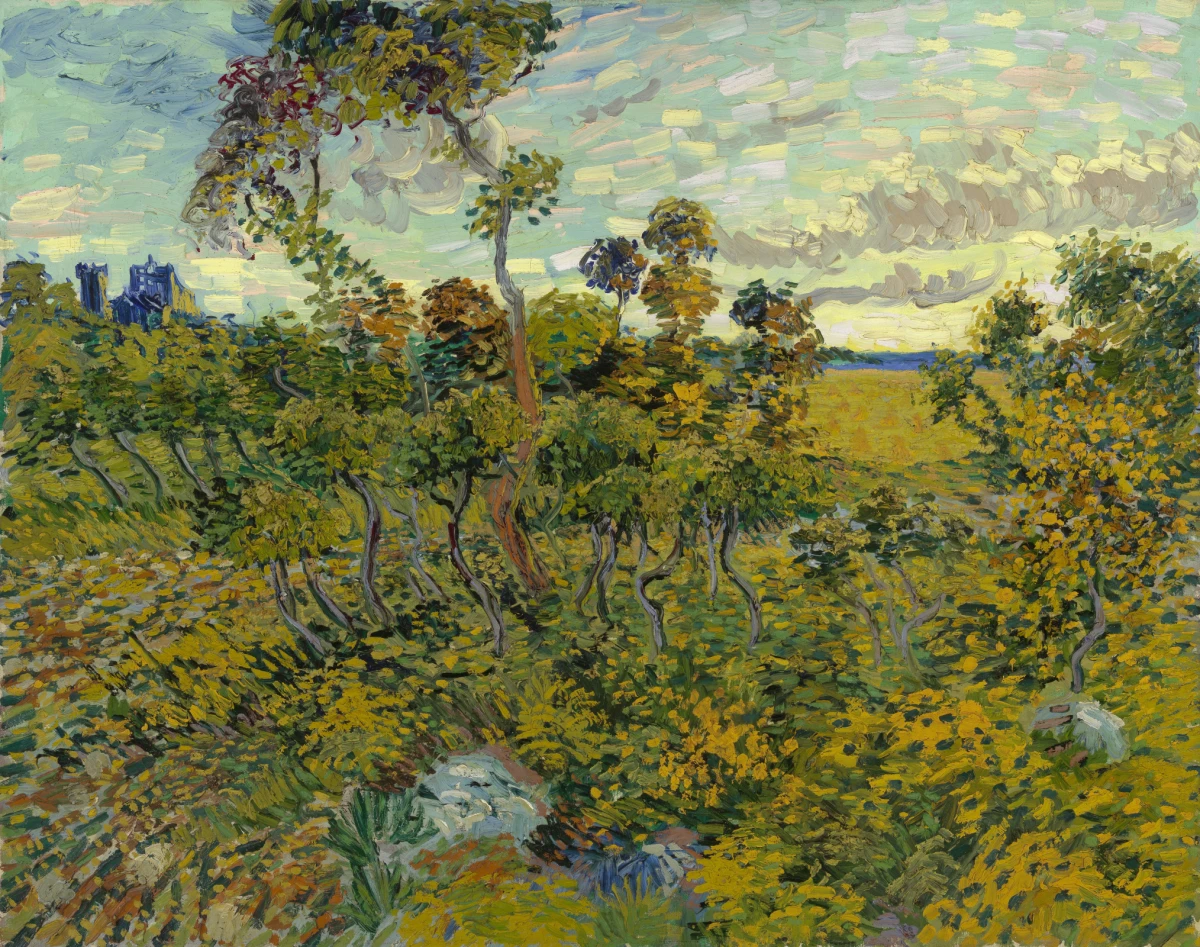
The results were quite revealing. The analysis of one of the forgeries revealed significant differences in the structure of the brush strokes compared to the artist's original works. At the same time, the painting "Sunset at Montmajour," created in 1888 and long debated among experts, was recognized as authentic.
This conclusion coincided with the findings of specialists from the Van Gogh Museum, who officially confirmed Van Gogh's authorship back in 2013.
The authors of the study believe that the new technology could become an important tool for museums, collectors, and experts, helping to more accurately establish the authenticity of artworks and combat forgeries in the global art market.