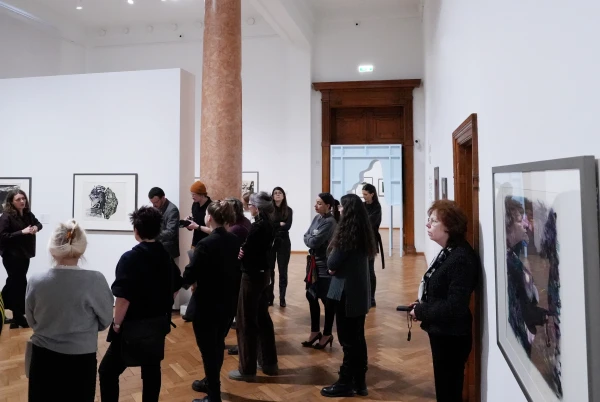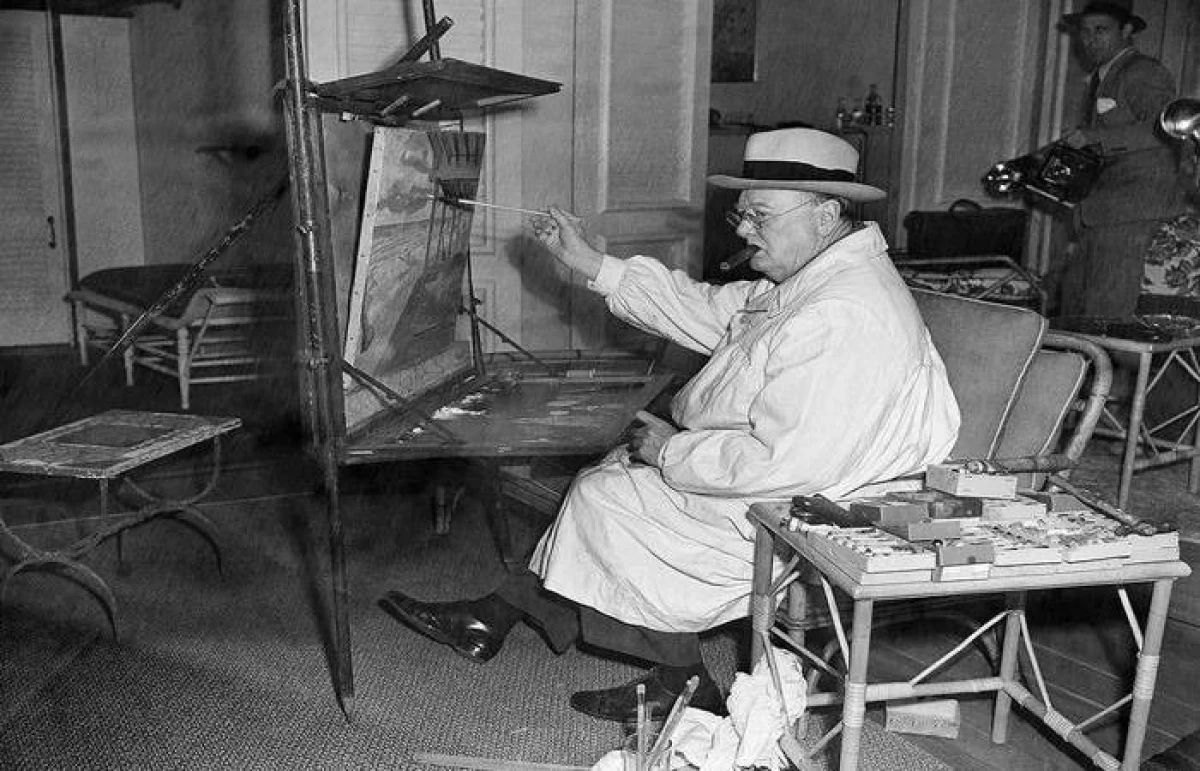
A large-scale exhibition dedicated to the artistic legacy of Winston Churchill has opened at the Wallace Collection in London. The exhibition is the largest of its kind in history: over 50 works by the famous British politician are presented to visitors, with almost half of the paintings coming from private collections and previously shown to the public very little. The exhibition will be open until the end of November 2026.
How Painting Helped Churchill Through Crisis
According to the organizers, Churchill's interest in painting emerged after one of the most difficult periods of his life. After the failure of the Gallipoli campaign during World War I, he left the government and found himself in a state of deep internal crisis. It was then that painting became a way for him to cope with anxiety and emotional tension.
Co-curator Lucy Davis notes that creativity helped the politician find a new passion and regain his emotional balance at a time when his usual career was under threat.
From Early Sketches to Vivid Landscapes
Although Churchill had no formal artistic education, over time he began to absorb the experience of renowned masters, including John Lavery and William Nicholson. Their works are also featured in the exhibition, allowing visitors to trace the influence of these artists on his style.
The exhibition is arranged chronologically. Visitors can see both early, tentative works and mature canvases created during travels in France and Morocco. Churchill's fascination with light, color, and landscape painting is particularly evident.
Paintings Without War — Almost All
Despite the fact that Churchill's name is inextricably linked to major events of the 20th century, the military theme is almost absent from his work. Most of the paintings are filled with tranquility, sunlight, and a love of life.
One of the rare exceptions is the painting "Beach at Walmer," created in 1938. At first glance, the canvas depicts a peaceful seascape; however, the cannon in the foreground serves as a reminder of the impending global catastrophe.
A Special Place in the Exhibition
One of the main exhibits is the painting "The Tower of the Koutoubia Mosque." This is the only known work that Churchill created directly during World War II. The piece was painted in Marrakech, later gifted to U.S. President Franklin Roosevelt, and years later ended up in the collection of Hollywood actress Angelina Jolie.
A Symbolic Venue
The organizers emphasize that the choice of the Wallace Collection holds special historical significance. In 1942, a charity exhibition was already held here in support of the Clementine Churchill Fund, making the current project a kind of continuation of the cultural and diplomatic history of that time.
...In the opinion of the editorial team, this exhibition serves as a reminder that even the most famous historical figures can reveal unexpected sides. Churchill's artistic legacy shows not a military leader and politician, but a man who sought peace, inspiration, and inner freedom through creativity.