

Sometimes science fiction cinema begins not with flashy scenes and loud ideas, but with silence, routine, and almost mundane conversations. The first minutes may seem empty and drawn out, as if the film is in no hurry to engage the viewer. It is at this stage that many turn off the viewing — and that’s a mistake. For some films, a slow start is part of the design: it creates an atmosphere, tests patience, and prepares the ground for a powerful plot twist. Below are fantastic films that only reveal themselves after the first twenty minutes, but do so in a way that fully justifies the wait.
"Moon 2112" (2009)
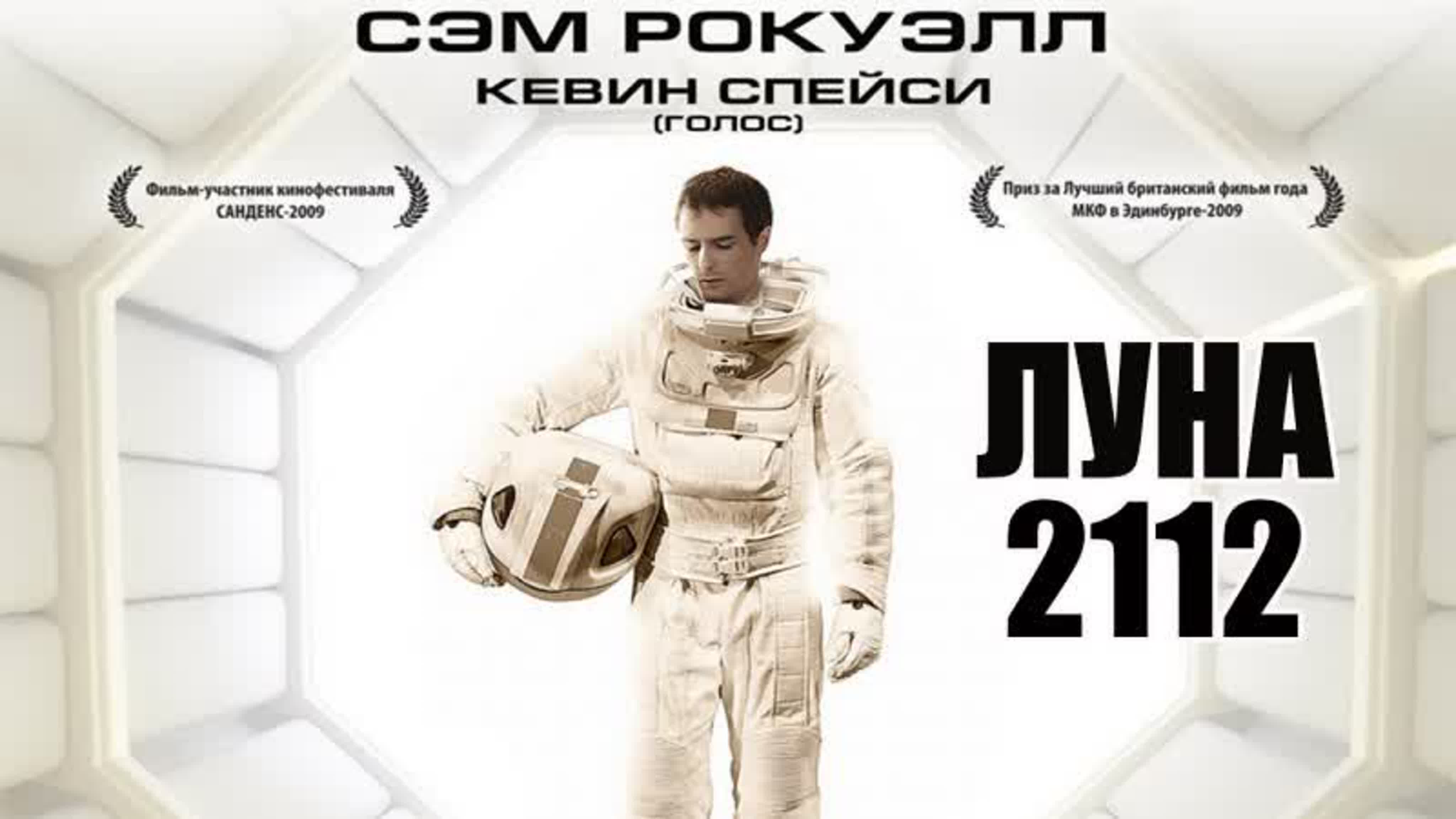
At first, the film appears as a calm chronicle of solitude. Astronaut Sam Bell works at a lunar base, monitoring the extraction of helium-3 and living in complete isolation. His days are monotonous, the dialogues minimal, and around him is only silence and cold space. However, it is this monotony that gradually begins to evoke anxiety. When the usual order is disrupted and then an accident occurs, the story takes a sharp turn. The intimate drama transforms into a harsh science fiction tale about identity, memory, and the value of human life. IMDb: 7.8
"The Connection" (2012)
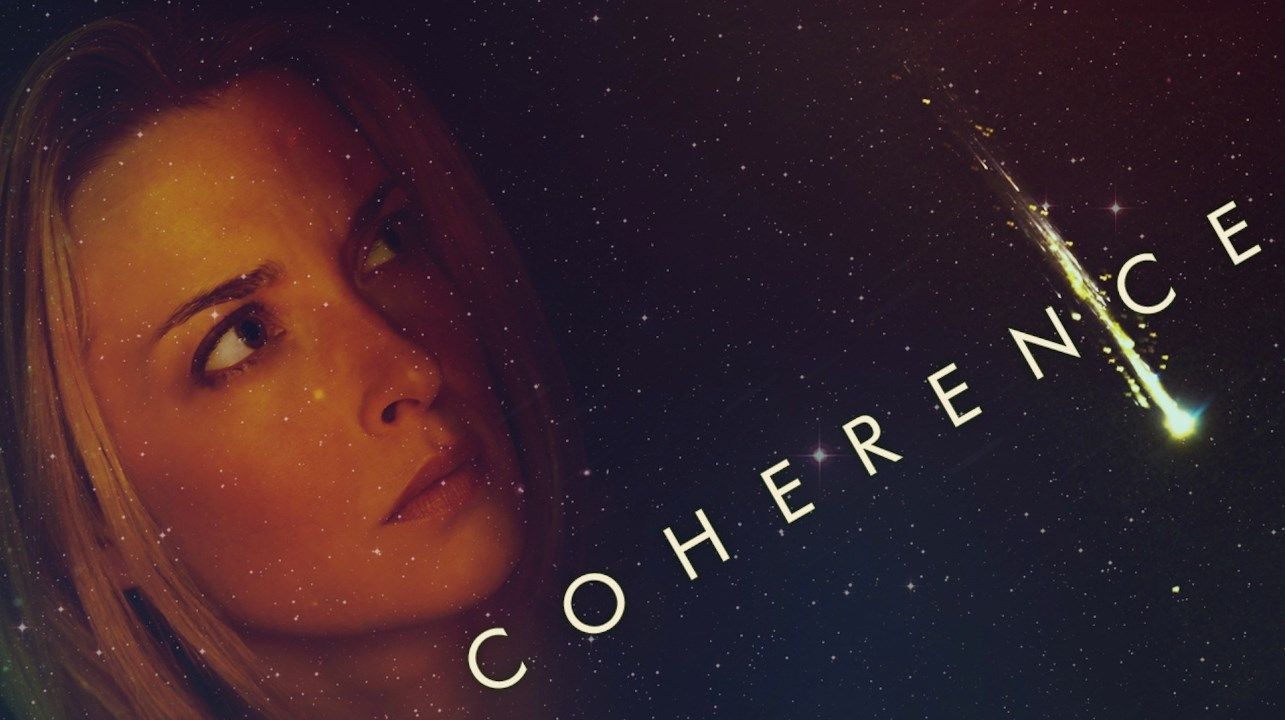
The beginning of the film can easily be mistaken for an ordinary conversational drama. A group of friends gathers for dinner, discussing everyday topics and sorting out relationships. The camera hardly leaves the house, and what is happening seems as grounded as possible. But the appearance of a strange comet and minor inexplicable events gradually shatter the familiar reality. Conversations that seemed empty begin to matter, and the characters find themselves drawn into a frightening story about parallel worlds and choices. IMDb: 7.2
"Another Earth" (2011)
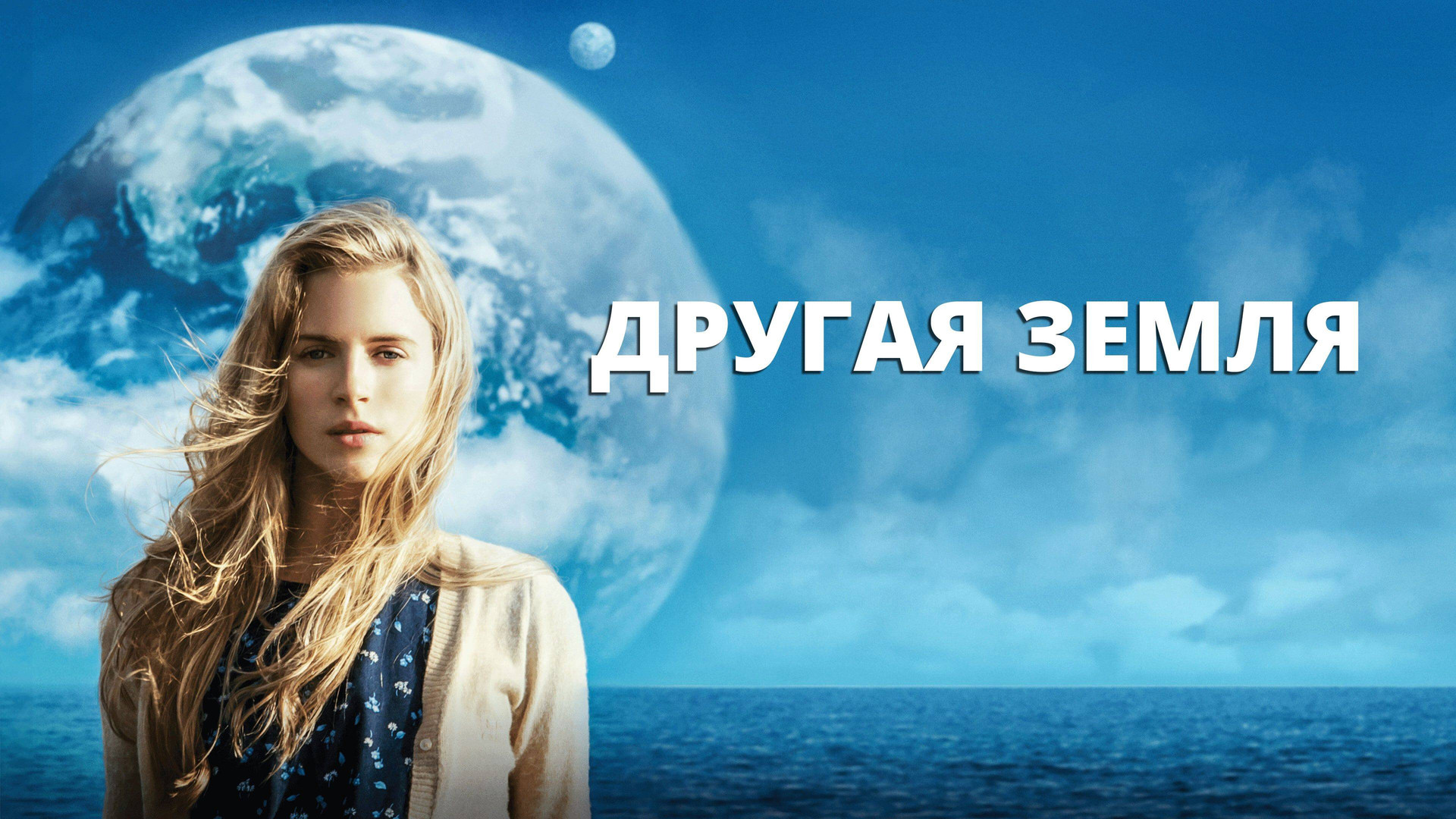 In the first minutes, the film is perceived as a quiet independent drama about guilt and the attempt to start life anew. The science fiction element is almost unnoticed: it exists somewhere in the background, in the news and conversations. Only gradually does the viewer realize the scale of the idea — a second Earth, an exact copy of our planet, appears in the sky. This element changes the entire meaning of what is happening, transforming a personal tragedy into a philosophical story about fate, alternative paths, and the possibility of making things right.
IMDb: 6.9
In the first minutes, the film is perceived as a quiet independent drama about guilt and the attempt to start life anew. The science fiction element is almost unnoticed: it exists somewhere in the background, in the news and conversations. Only gradually does the viewer realize the scale of the idea — a second Earth, an exact copy of our planet, appears in the sky. This element changes the entire meaning of what is happening, transforming a personal tragedy into a philosophical story about fate, alternative paths, and the possibility of making things right.
IMDb: 6.9
"Detonator" (2004)
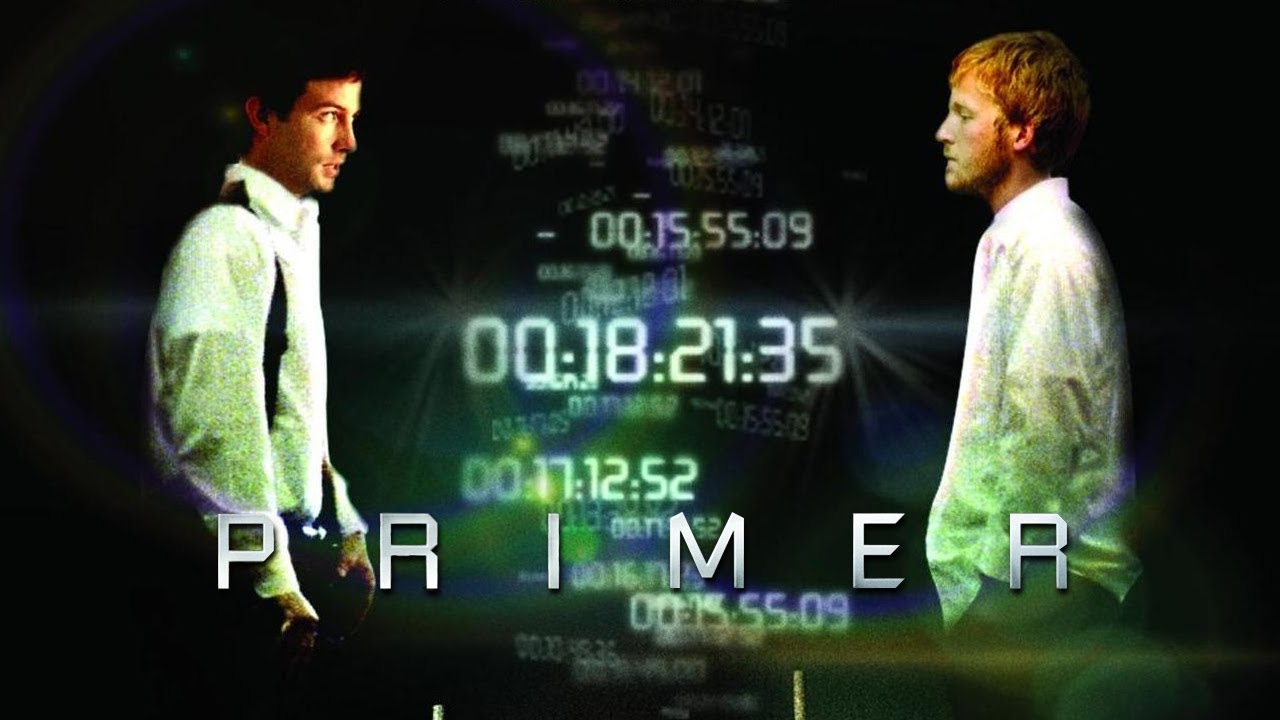
The first twenty minutes appear almost intentionally dull. Several engineers in a garage discuss technical details, the camera is static, and the dialogues are dry and overloaded with terms. It seems that the film lacks dramaturgy. But gradually it becomes clear: behind this gray shell lies one of the most complex stories about time travel. The plot begins to branch out, events layer upon each other, and every line from the beginning gains significance. IMDb: 6.7
"Endless Night" (2019)
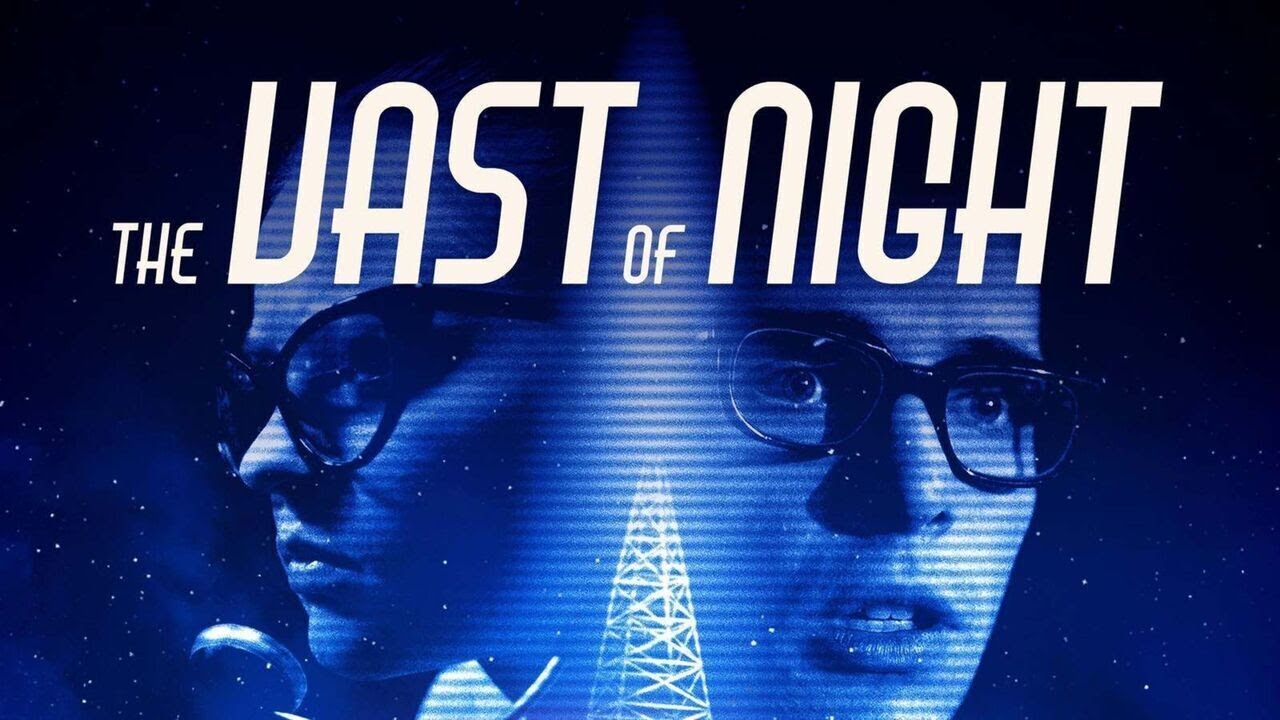 The film starts as a leisurely sketch of provincial America in the 1950s. Radio broadcasts, a school match, conversations about trivial matters, and a measured rhythm create the impression that the viewer is simply watching an atmospheric drama. But then strange interference and frightening testimonies appear in the background. The slow beginning transforms into a tense science fiction story about contact with the unknown and how easily the familiar world can crack.
IMDb: 6.7
The film starts as a leisurely sketch of provincial America in the 1950s. Radio broadcasts, a school match, conversations about trivial matters, and a measured rhythm create the impression that the viewer is simply watching an atmospheric drama. But then strange interference and frightening testimonies appear in the background. The slow beginning transforms into a tense science fiction story about contact with the unknown and how easily the familiar world can crack.
IMDb: 6.7
These films prove that sometimes the most important aspect of science fiction begins not with action, but with patience. A slow introduction may not be a flaw, but rather the key to making the final revelation hit as hard as possible.













Leave a comment