The global art market once again resembles an arena for record bids. A fresh ranking of the twenty most expensive works of art ever sold at auction has been published. Data from Visual Capitalist and ARTnews clearly show: paintings have long ceased to be mere objects of aesthetics and have definitively transformed into financial assets for the ultra-wealthy.
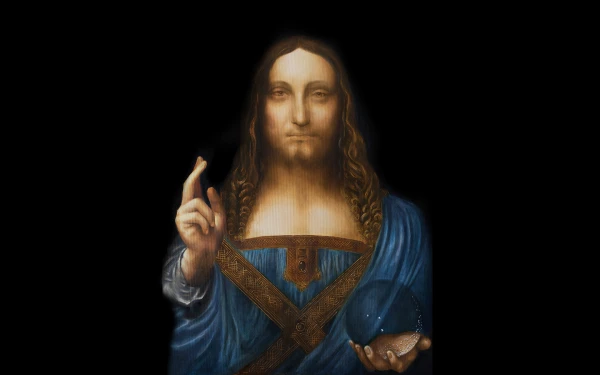
Leonardo da Vinci remains the absolute king of auctions. His "Salvator Mundi," sold for a staggering $450 million, is still unattainable for competitors and holds the title of the most expensive work in the history of public sales. Following closely are the modernists, whose names have long become synonymous with reliability in the art market. Pablo Picasso is represented in the top 20 with three works — a rare confirmation that his legacy continues to function as a "blue chip." Gustav Klimt is no less competitive: his portraits regularly spark real bidding duels at Sotheby’s auctions.
The statistics of the ranking speak for themselves. Out of twenty record lots, only one is not a painting. Alberto Giacometti's bronze sculpture "The Pointing Man" is the only three-dimensional object in this elite list. Such an imbalance underscores the conservative nature of the market: collectors still prefer canvas and oil, which are easier to store, display, and integrate into private collections.
At the same time, experts remind us: loud auction records are just the visible part of the iceberg. A significant portion of transactions involving works by artists like Warhol or Cézanne occurs outside the public eye — in the private offices of art dealers. Private sales eliminate unnecessary noise and commissions, but it is the open auctions that set price benchmarks, create market legends, and turn paintings into symbols of absolute influence and impeccable taste.