
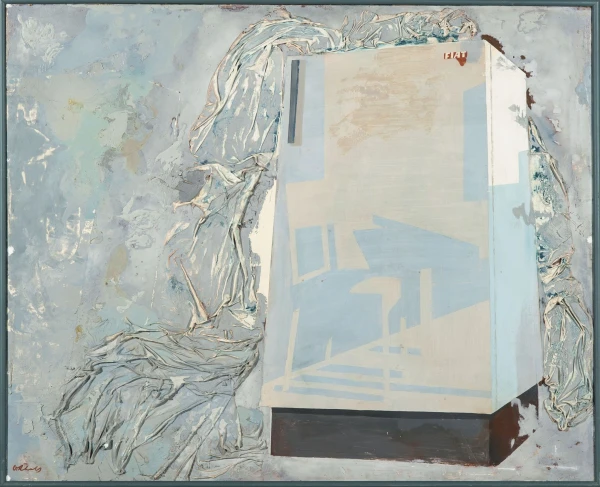
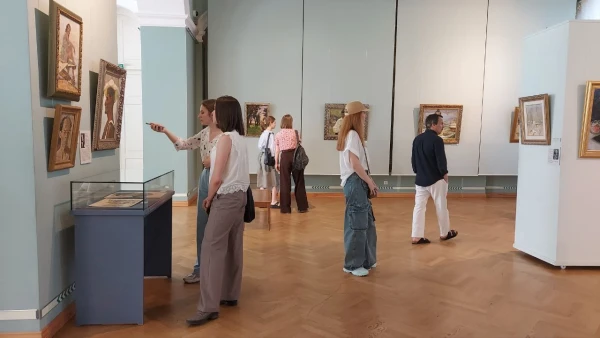
From January 10 to May 10, 2026, the main building of the Latvian National Museum of Art will host the exhibition "Absurd Human Projects on Earth," dedicated to the painter and theorist Ojar Abols (1922–1983).
Ojar Abols is today regarded as one of the leading avant-gardists of the 1960s and 1970s. His works are included in the collection of nonconformist art of Nancy and Norton Dodge. The artist lived a life between serving communist ideals and striving for Western culture.
Abols began his journey as an agitator for the Communist Party in 1940 and joined the party in 1947. He received his artistic education from Roman Suta and graduated from the Academy of Arts of the Latvian SSR in 1951. His early works conformed to the canon of socialist realism; however, in the 1960s, according to Gemma Skulme, his true creative development began.
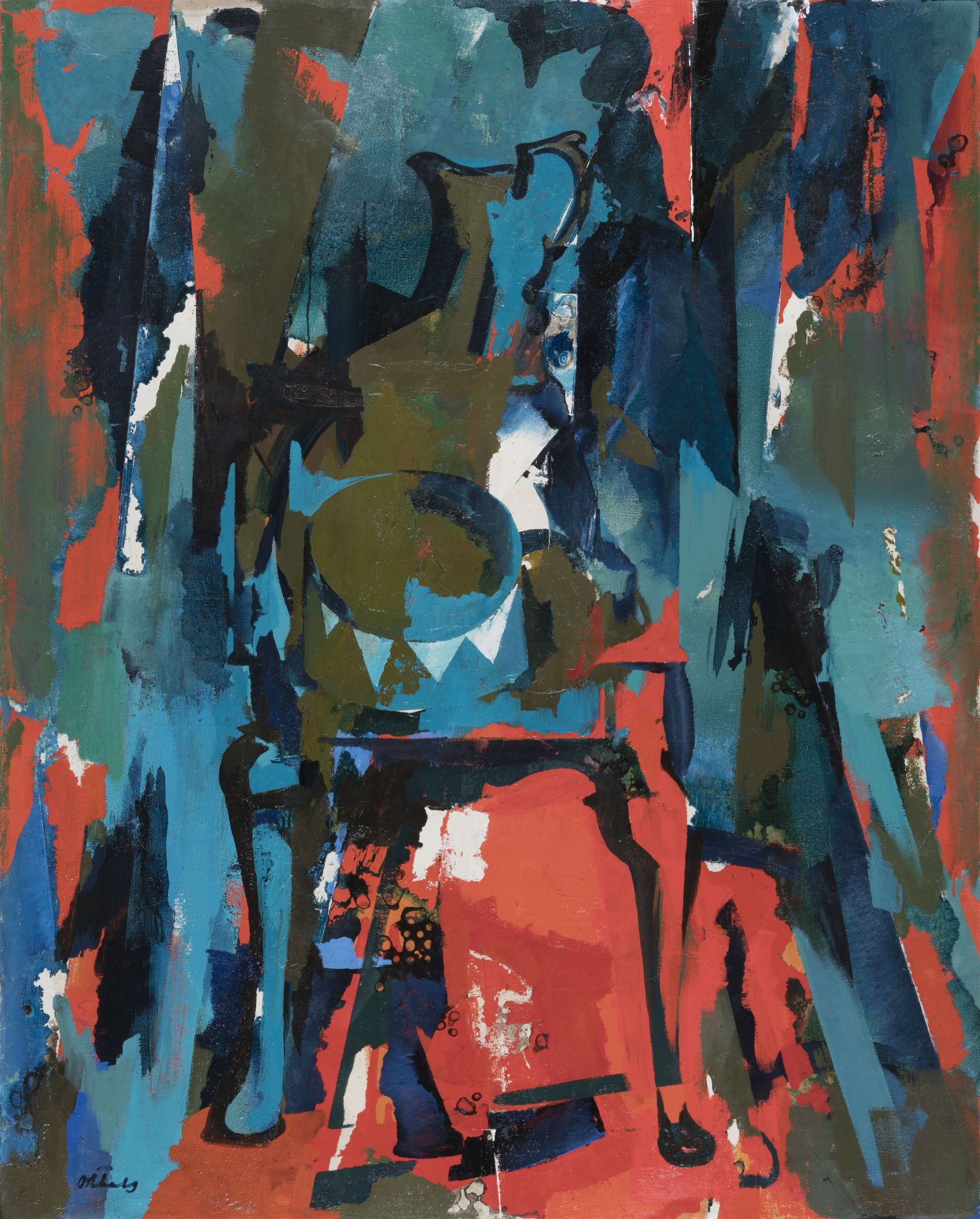
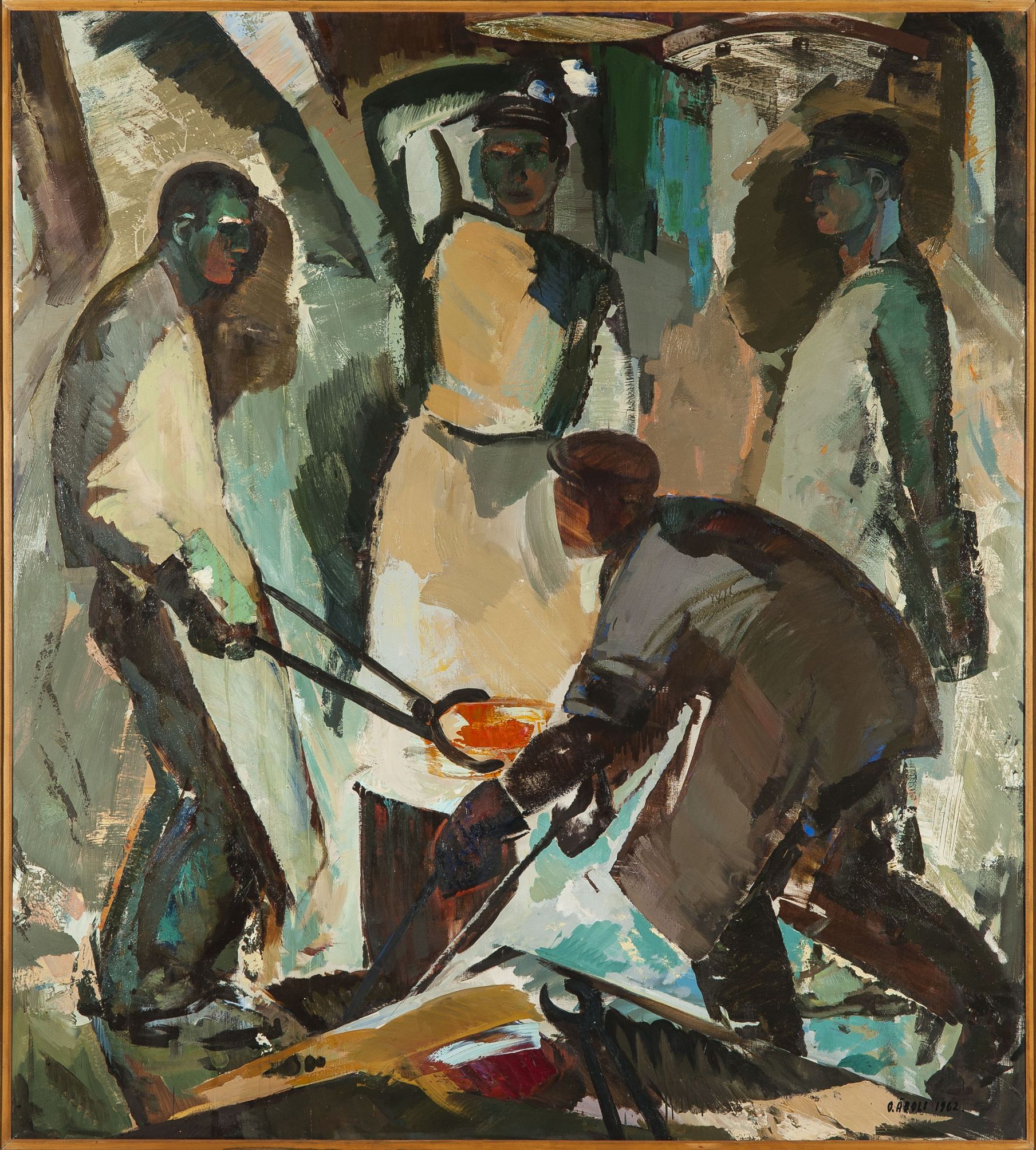
After a trip across Europe in 1956, Abols radically revised his views. The painting "Blacksmiths" (1962) became a turning point. In the 1960s, he developed modernized versions of the "harsh style," studied Pablo Picasso, and became interested in abstraction, including the influence of Pierre Soulages.
From the late 1960s, his art became conceptual: themes of nuclear threat, ecology, and criticism of bourgeoisie manifested in the series "Hiroshima," "Calculation of Nuclear Destruction," "Processes on Earth," "Anti-Biedermeier," and "Renaissance of Merchants." In the 1970s, Abols became one of the leading experts on Western art in Latvia and initiated the exhibition "Nature. Environment. Man" (1984).
During his lifetime, Abols did not hold a single solo exhibition. His creative line was continued by Gemma Skulme.











Leave a comment