
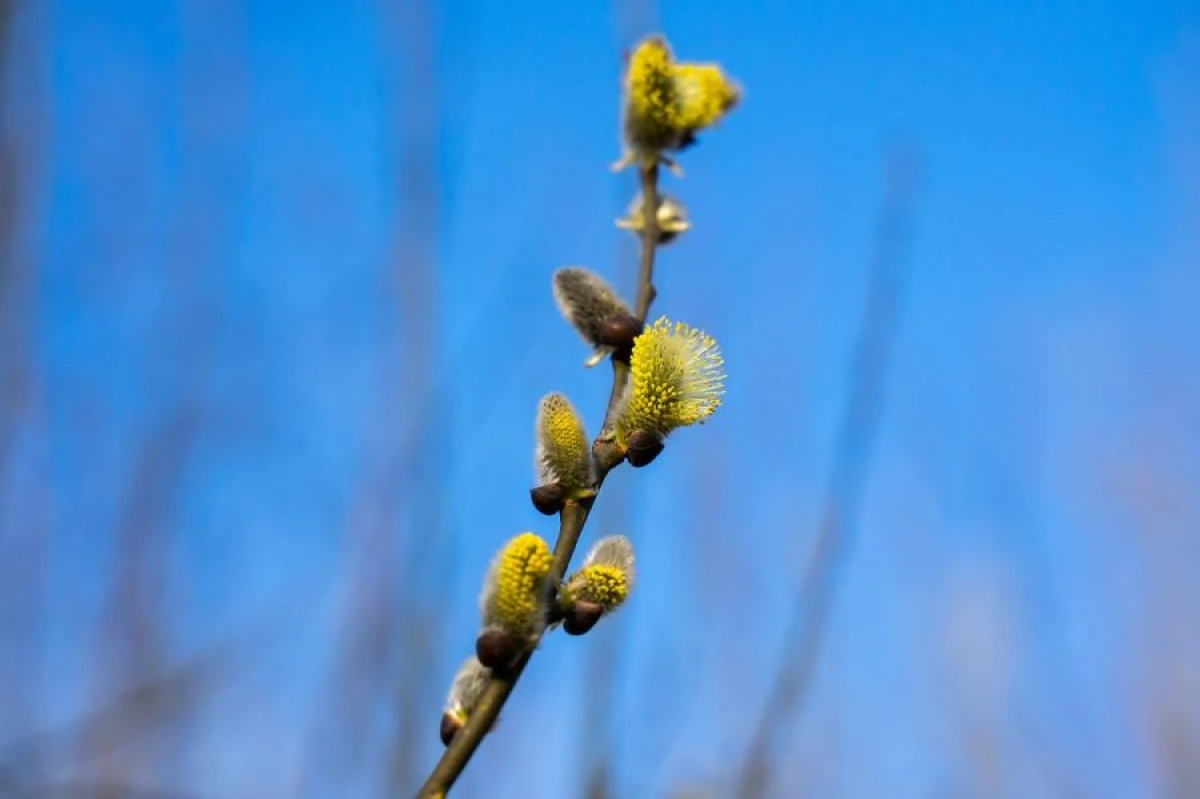
Some dogs, like humans, experience discomfort during flowering. It is important for owners to assist their allergic pets during this period to alleviate the symptoms of the condition.
Dog trainer Vladimir Golubev noted that it is not always easy to determine whether a pet suffers from allergies.
Causes of Allergies
According to the expert, dogs can develop allergies to the flowering of various trees, such as alder, birch, and hazel. Oak and ash begin to bloom at the end of May. Grasses, such as timothy and ryegrass, can also trigger allergic reactions. Some dogs are sensitive to the flowering of dandelions. To establish the exact cause of the allergy, it is recommended to consult a veterinarian.
“There is an opinion that poplar fluff causes allergies, but this is not entirely true. The flakes of fluff are large enough that they do not always come into contact with the mucous membranes of the dog, and they are not always allergens. If the fluff gets into the nose, it can cause itching or sneezing,” emphasizes the specialist.
However, if the fluff collects pollen from other allergenic plants, the dog may experience an allergic reaction. Some dogs are also prone to allergies from flower pollen (for example, ragweed, linden), household dust, bee stings, ticks, and fleas, as well as from aromatic substances and household chemicals. In dry and warm weather, dogs may feel worse, as trees release more pollen than in cool and rainy conditions.
Diagnosis of Allergies in Dogs
With allergies to flowering, the upper respiratory tract is affected. The dog may experience frequent sneezing, swelling and itching of the eyelids and nose, as well as tearing. Usually, allergies manifest annually, and symptoms may worsen, notes the dog trainer.
To clarify the diagnosis, the veterinarian will prescribe general examinations to rule out other diseases: blood, urine, and skin scrapings will be taken for analysis from the pet.
“Determining a specific allergen can be quite difficult, and it is not always successful. First, food allergies and the presence of parasites are excluded. If the allergy is non-food, the attentiveness of the dog owner is important. They can help understand when the dog shows symptoms and what influences this. Allergological tests in dogs are rarely conducted, as they are not always effective,” explains the specialist.
Antihistamines are usually prescribed for allergies. Creams or ointments may be prescribed for the treatment of skin inflammations.











Leave a comment