
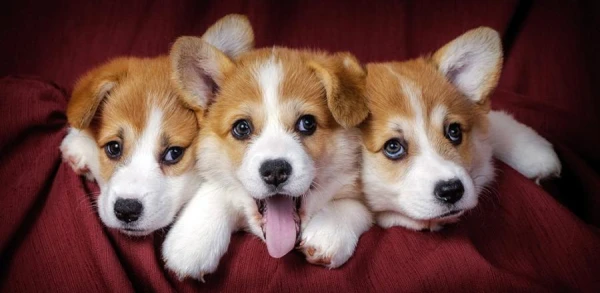
Blood groups were discovered only in the early 20th century. Previously, in the 'dark' times, when serious losses occurred, people were transfused with blood from pigs or other animals, which often led to fatal outcomes. Today, it is known that blood transfusion is only possible between compatible groups. How different is animal blood from human blood?
Blood group represents the antigenic characteristics of erythrocytes, based on the types of carbohydrates and proteins present in their membranes. If the groups do not match, the body will react to such blood hostilely. In humans, there are many antigen systems, a total of 36, but the group is most often determined by the ABO system (O I, A II, B III, and AB IV) and the Rh factor (-/+). Animals have their own systems that do not overlap with human ones.
For example, dogs have seven main groups, each with its own Rh factor (a total of about 13 blood groups have been discovered in dogs). All of them are varieties of DEA — the dog antigen that predominates in their erythrocytes. In the DEA system, the groups are: 1.1, 1.2, 3, 4, 5, 6, and 7. Often, dogs of the same breed have the same group; for example, 60% of greyhounds have negative DEA 1.1. Interestingly, 98% of dogs are compatible with DEA 4, while only 42% are compatible with DEA 1.1. Nevertheless, scientists continue to discover new blood groups in dogs. Recently, it was found that Dalmatians have their own group — Dal.
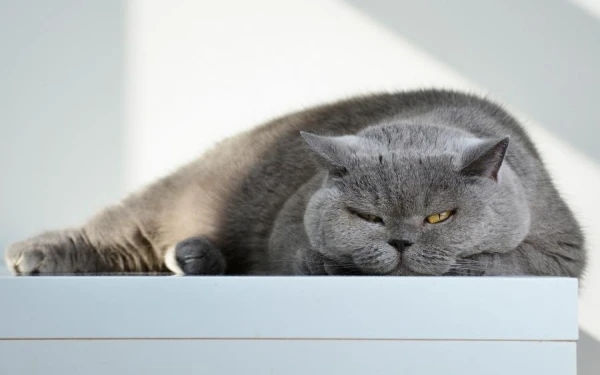
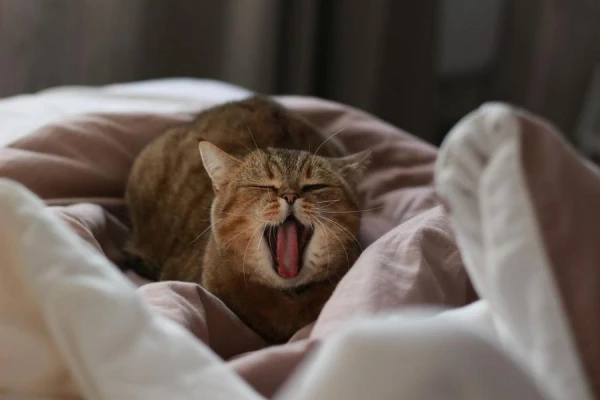
As for cats, they have only two possible antigens — A and B (which are different from humans). There are no universal donor blood groups in cats; however, the overwhelming majority (about 90%) of domestic pets have blood group A, while rarer purebred animals often have type B. Group AB also occurs, but extremely rarely.
Horse blood groups are also well studied. These animals have 30 different groups, representing combinations of 8 antigens (A, C, D, K, P, Q, U, and T, the latter is still under study). Cows have 11 main blood groups (A, B, C, F, J, L, M, R, S, T, and Z), with group B including more than 60 different antigens.
Each animal has its own unique system and set of antigens, making blood transfusions between animals (and humans) risky. Of course, when your pet requires a transfusion, a blood type test will be conducted, and a suitable donor will be selected. Interestingly, like humans, pets can be voluntary donors. Usually, no more than 22 milliliters per kilogram of weight is taken from dogs, and no more than 15 milliliters per kilogram from cats.








Leave a comment