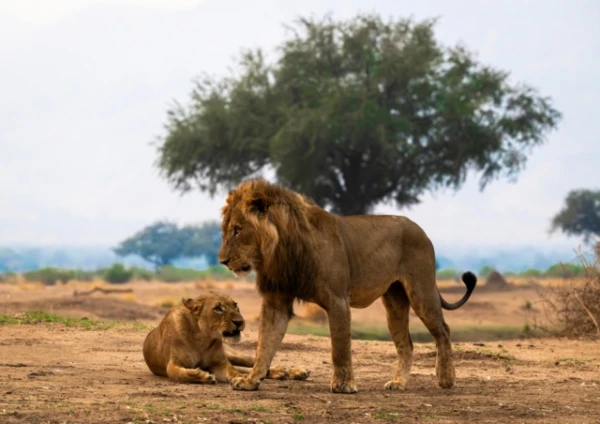
In Zimbabwe, for the first time in the world, a guilty verdict was issued for the killing of a lion based on forensic DNA analysis. Claws and body parts seized from the suspects genetically matched the remains of a lion that was illegally killed in a trap near Victoria Falls.
Although the possession of animal products is not a crime in itself, the evidence that they belonged to a specific killed animal allowed for charges to be brought. The Victoria Falls Wildlife Trust laboratory developed a method for extracting a complete DNA profile from lion parts and matched it with samples from a known individual. The court sentenced the poacher to 24 months in prison.
Lions are among the most frequently illegally hunted big cats: their claws, teeth, and skins are used to make jewelry and souvenirs. International trade threatens the population, and this case opens a new path in the fight against poaching.