
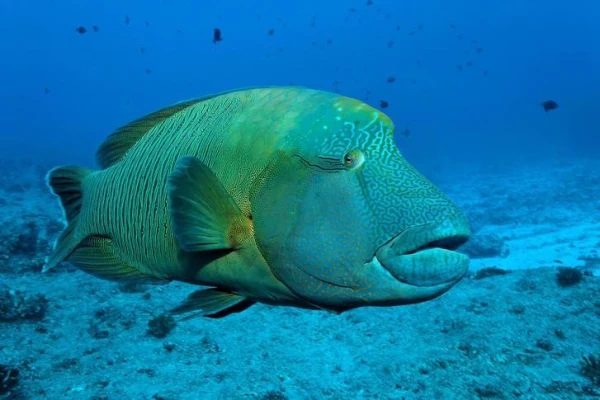
Through chemical signals and sound effects.
Fish use various chemicals, change their coloration, and employ other methods to convey information to their peers. Sounds produced by gill covers or swim bladders also serve as a means of communication. The swim bladder helps fish capture sound vibrations, as they lack eardrums and auditory ossicles.
Different species of fish are capable of producing sounds that resemble barking, squeaking, whistling, rumbling, grunting, clucking, drumming, and even bird songs. Some fish can produce sounds so powerful that their 'cries' can activate acoustic detonators of sea mines.
















Leave a comment