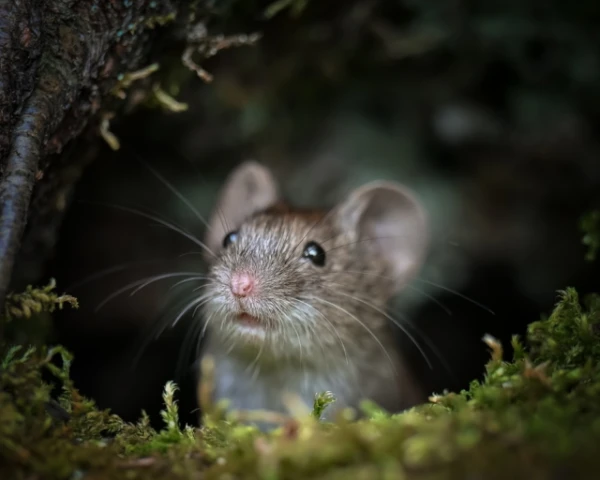
Rodents, such as mice and rats, use ultrasonic signals for communication, which are produced through a unique resonant mechanism previously observed only in jet engines.
High-speed filming at a rate of 100,000 frames per second showed that during the generation of these sounds, the vocal cords of the animals remain motionless. Instead, the stream of air from the trachea strikes the inner wall of the larynx, creating a resonance that produces a high-frequency whistle. This method is analogous to the principles of aeroacoustic systems in engineering and demonstrates the complexity and sophistication of the vocalization mechanism in mice.
The discovery also highlights the similarity in the neurobiological foundations of vocal communication in mice and humans, making these rodents a valuable model for studying speech disorders.
Despite the widespread use of mice in scientific research, many aspects of their ultrasonic communication remain poorly understood. In particular, it is unclear whether similar mechanisms are employed by other species, such as bats.