
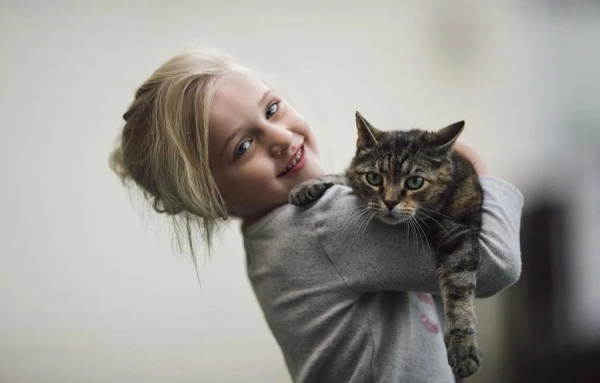
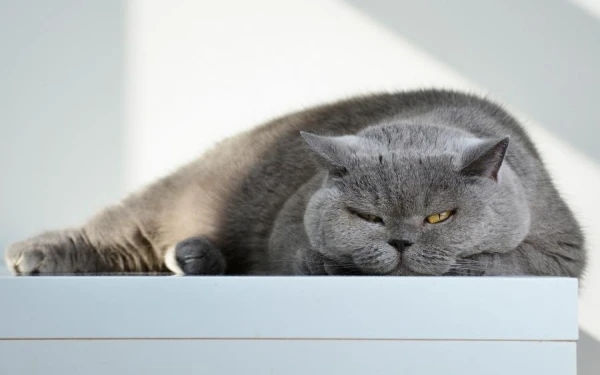
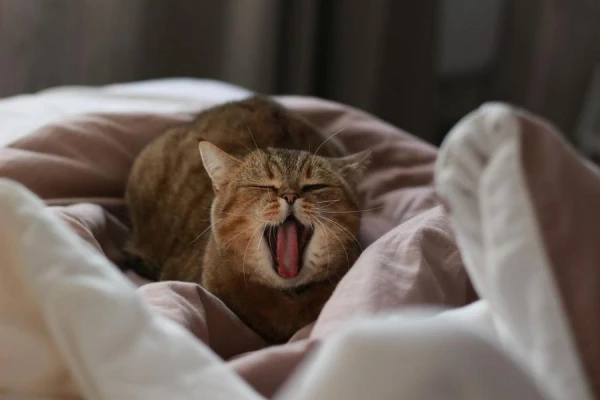
All cats are divided into growlers and purrers. The first category includes large representatives of the feline family – lions, tigers, jaguars, and leopards, while the second includes our beloved domestic pets.
Scientists explain the differences between growling and purring by the structure of the larynx and hyoid bone, as well as a number of other factors. Interestingly, one of the large cats – the snow leopard – has evolved to lose the ability to growl and has never learned to purr.
The purring sounds made by domestic cats occur both during inhalation and exhalation, at a frequency of 25 to 150 vibrations per second. In contrast, growling occurs exclusively during the animal's exhalation.
Purring helps release endorphins in cats and aids in calming them down. Therefore, they purr not only in moments of happiness and satisfaction but also when they are unwell.
Besides cats, some other animals, such as rabbits, squirrels, lemurs, and guinea pigs, can also purr. However, their purring is based on different anatomical principles and sounds different.








Leave a comment