
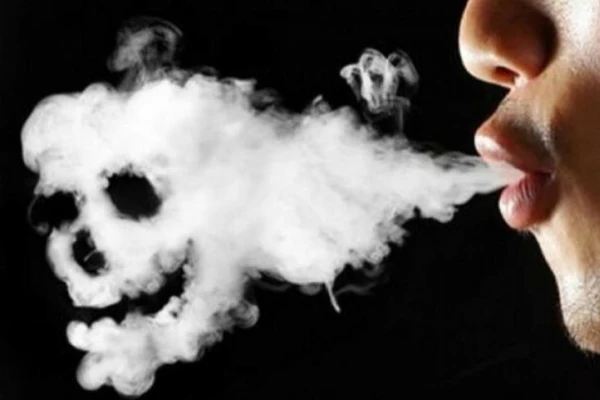
Many know that a drop of nicotine can kill a horse, but what about dogs? These animals come into contact with people much more often and are strongly attached to their owners, which means they constantly inhale tobacco smoke if their owners smoke.
To determine whether secondhand smoke poses a serious risk for the development of cancer in dogs, a group of researchers from Purdue University in the USA conducted a study. The results were published in the journal The Veterinary Journal.
Research Methodology
The team of specialists from Purdue University, in collaboration with veterinarians, aimed to identify the main factors influencing the likelihood of cancer in Scottish Terriers over six years old. This breed of dog has a high predisposition to bladder cancer — compared to other breeds, the risk of developing urothelial carcinoma is twenty times higher in them. This disease often leads to fatal outcomes.
For three years, 120 terriers were under observation. The researchers also surveyed the owners about the animals' physical activity, living conditions, dietary preferences, and the presence of other diseases. They were particularly interested in the owners' smoking habits, as this factor increases the risk of cancer in humans.
Urine samples were also taken from the dogs to check for the presence of the nicotine metabolite — cotinine, which is formed in the bodies of both smokers and passive smokers. Cotinine was sometimes found in the urine of dogs whose owners did not smoke, likely due to the dogs sniffing cigarette butts on the street or the clothing of owners returning from a hookah lounge.
Sixfold Increase in Risk
As a result, 32 out of 120 terriers were diagnosed with urothelial carcinoma, and most of them lived with smoking owners. The researchers acknowledged this factor as the most significant, as it increased the risk of cancer sixfold.
Additionally, factors such as living in urban conditions or near swamps, previous urinary tract diseases, heredity, exposure to carcinogenic chemicals, as well as oncogenic viruses and bacteria, also influenced the development of cancer in dogs.
Thus, veterinarians conclude that smoking near a dog, regardless of its breed, can negatively affect its health.













Leave a comment