They skillfully maneuver their tails.
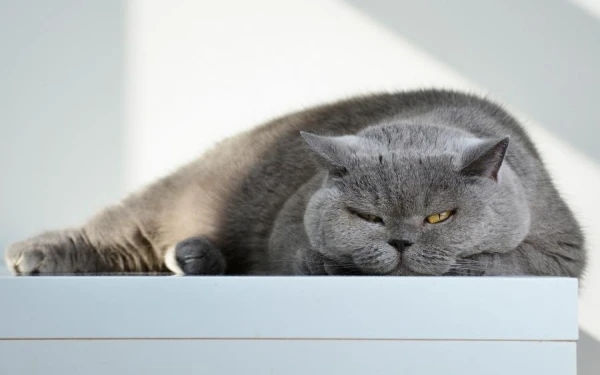
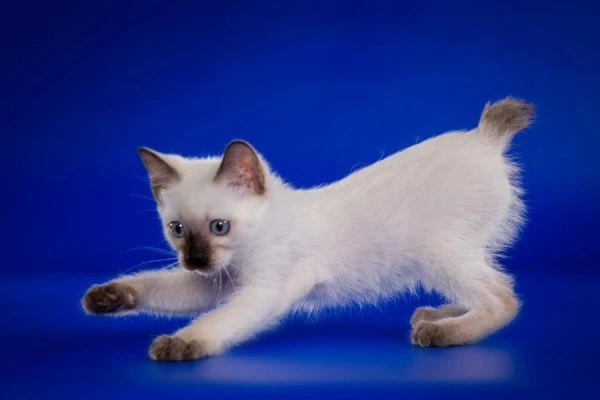
When falling, a cat actively uses its tail, which helps it with control. According to the law of conservation of angular momentum, its body rotates in the opposite direction of the tail's movement. A cat can regulate the speed of its rotation by extending its legs or tucking them close to its body. This process continues until it assumes the safest position for landing — feet down.
The technique of righting itself in the air is mastered by many members of the feline family, although not all. This mainly applies to those who make large jumps, such as tree-dwelling rodents, civets, martens, and lemurs. It is unlikely that a dog or even an otter could flip as skillfully, despite their tails possibly causing envy in cats.
The reason for this lies not only in the length and mass of the tail but also in the presence of an automatic movement program in the animals' brains, which is activated as soon as they find themselves in the air in an unusual position.