
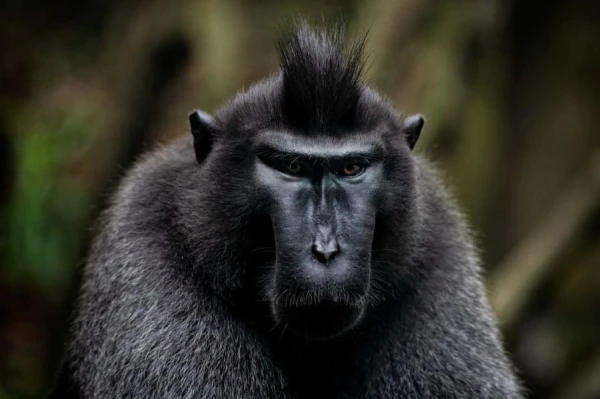
Wild long-tailed macaques on a Thai island began using stone tools during the COVID-19 pandemic when travel restrictions deprived them of their usual support from tourists. This unique case became the first documented example of a new behavior model emerging in this population of macaques.
In a recent study published in The American Journal of Primatology, scientists from Chulalongkorn University in Bangkok described a new behavior model of long-tailed macaques (Macaca fascicularis fascicularis) on Koh Ped Island in Thailand.
The researchers had been observing these monkeys for decades and had not recorded a single instance of tool use before the pandemic. However, upon returning to the island two years after the lockdown, the team was extremely surprised.
The monkeys, which previously relied on food provided by tourists, unexpectedly faced a food shortage during the pandemic. According to the scientists, this forced the animals to seek new ways to obtain food, which led to the use of stone tools.
The researchers observed two adult males lifting stones above their heads and breaking open oyster shells with them.
It is worth noting that other primate species (such as chimpanzees, capuchins, and Burmese macaques) have previously demonstrated similar behavior. However, the long-tailed macaques from Koh Ped Island had never used tools.
Moreover, researchers from the University of Birmingham attempted to forcibly teach these animals to crack nuts with stones in 2018, but their efforts were unsuccessful.
The new study demonstrates that in times of crisis, biological relatives of humans are capable of acquiring new skills, improvising, and finding solutions. The use of stone tools marks an important step in human evolution.













Leave a comment