If you decided to treat your four-legged friend with alcohol or simply couldn't find company for a bottle of wine, it's better to abandon this idea.
What happens if alcohol enters your pet's body? Veterinarian Yana Orlova explained this.
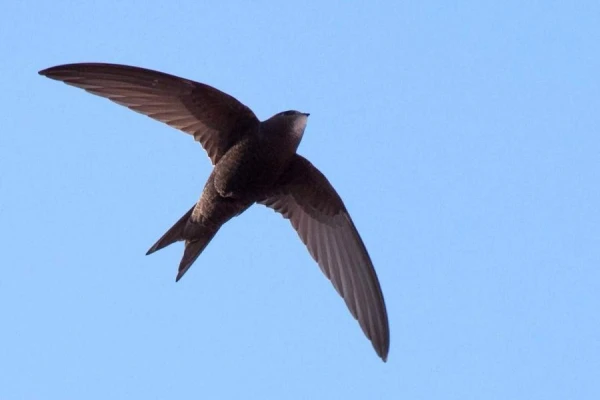
— There are wild animals that can eat fermented fruits; for example, in winter, birds sometimes eat fermented rowan berries. However, this is not the basis of their diet. On the other hand, it is strictly forbidden to treat dogs and cats with alcohol. The bodies of domestic animals cannot metabolize ethanol. They lack the enzymes that could safely process alcohol, leading to acute ethanol poisoning. This negatively affects the liver and kidneys, and in cases of severe alcohol intoxication, kidney function may be irreversibly impaired. Thus, it is much more dangerous for animals than for humans.
By the way, hops are also toxic to dogs, just like ethyl alcohol. Therefore, you should not treat them with beer.
Symptoms of poisoning can vary depending on the amount consumed (the ratio of ethanol to the animal's body weight) and the presence of underlying health conditions. For example, if your dog suffers from chronic gastritis, it may experience severe vomiting, possibly with blood, diarrhea, and pronounced dehydration. In such cases, the pet must be urgently taken to a veterinary clinic. If the dog is healthy but accidentally ingested alcohol, it is also best to consult a veterinarian. The specialist will carry out the necessary procedures to remove alcohol from the animal's stomach.
If there is no clinic nearby and getting to a veterinarian in the next few minutes is impossible, you can try to induce vomiting. For this, you need to give the pet a concentrated saline solution or hydrogen peroxide. Of course, you will have to do this forcibly, as your dog is unlikely to willingly drink salty water or hydrogen peroxide. I won't specify dosages, as it is best to consult a veterinarian and act under their supervision, even at home. After these procedures, you can give the animal an enterosorbent, which will help adsorb toxins in the stomach. Then it is important to follow a strict diet and closely monitor the pet's condition. And do not experiment with alcohol anymore.
It is essential to carefully ensure that alcohol does not remain in accessible places, including empty or partially empty glasses and bottles. This may be interesting for the animal, and you might not notice how your pet decides to taste it. If you leave and return to find that a glass of wine or another alcoholic drink is empty, and your four-legged friend was the only one in the room, closely observe their behavior for any deviations from the norm. In animals, intoxication can manifest just like in humans: it may involve impaired coordination, excessive joy, or, conversely, drowsiness, increased activity and aggressiveness, cheerfulness, unsteadiness, and lack of confidence in walking, as well as difficulties in focusing their gaze. In this case, you should suspect alcohol poisoning and seek medical attention immediately.
Old methods of treating dogs with alcohol, such as vodka, are absolutely unacceptable. This can only worsen the situation and even lead to death.