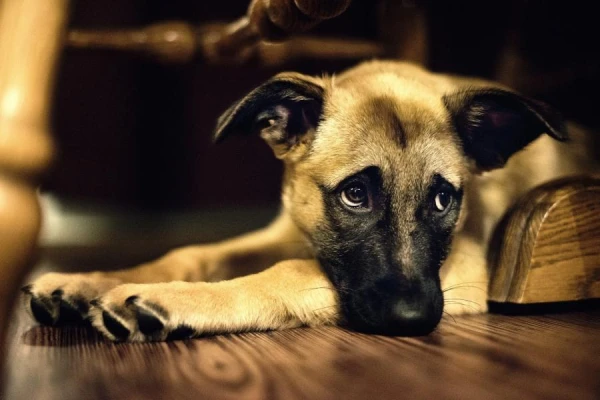
Decreased activity, sudden changes in behavior, or unexpected yawning in a dog — all of these may indicate that the pet is experiencing discomfort and suffering from pain. Also included among these signs is the situation when a dog starts to lick the same spot frequently. Dog expert Vladimir Golubev spoke about what behavioral changes owners should pay attention to.
“Dogs do not always give clear signals that can be interpreted unambiguously: some signs of pain may be completely unnoticed by the owner. The task of the dog owner is to notice the slightest changes in their pet's behavior in a timely manner, to pay close attention to any signals, and if there are suspicions of health problems, it is necessary to consult a veterinarian,” commented the dog expert.
Five hidden signs of pain in dogs
Decreased activity
“If your dog has become less active and is not as eager to play, has difficulty climbing or descending stairs — this may indicate the presence of pain or other health problems,” notes the expert. Additionally, the dog may exhibit a hunched back, a lowered tail, or limping while walking.
The dog chews its paws, licks them or its body
“When a dog is stressed, it may start to lick itself more often or chew on its paws. This behavior can also manifest if the pet has come into contact with reagents or dirt outside; in that case, it is sufficient to wash the dog's paws and body well,” explained the specialist.
He added that if a dog constantly licks and chews its paws, it may indicate pain caused by, for example, arthritis or a cut.
The pet yawns
“Yawning in a dog does not always mean that it is tired and wants to sleep. This signal can also indicate that the pet is experiencing stress and is trying to cope with its emotions. At this moment, the dog may lick its muzzle, flatten its ears, and turn away,” said the dog expert.
Moreover, such behavior, according to the expert, may indicate a reluctance to continue interacting with someone, as well as that the dog is experiencing pain or discomfort.
Change in behavior
A sudden change in behavior can signal not only stress or discomfort but also health problems, warns the head of the RKF. The dog may start to behave anxiously or, conversely, become withdrawn. The pet may also stop interacting with the owner, refuse walks and food. Additionally, the dog may start growling or whining, reacting sharply to your approach and touch.
Facial expression
The expert recommends paying attention to the pet's facial expression. “When a dog is in pain, it may lick its lips, turn its gaze away when you try to interact with it, and change the position of its eyebrows. Furthermore, the pet may tremble and snarl when attempting to pet it,” clarified the dog expert.