Gardeners know that eggshells are not suitable for all plants.
Some crops do not tolerate eggshells well, as they prefer "acidic" soil.
Preparing the Shells for Use
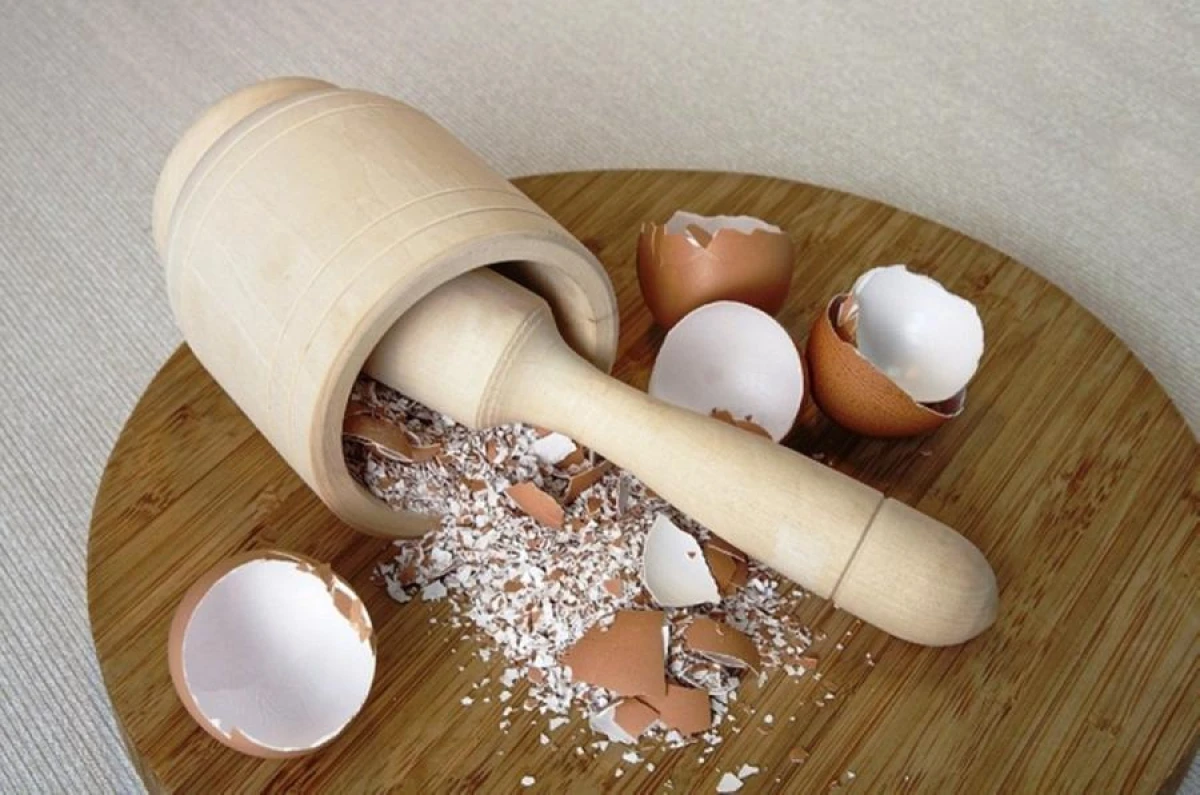
After making an omelet or homemade baked goods, do not throw away the shells. They can become excellent fertilizer for some plants.
Boiled shells are not suitable for use, as they lose their beneficial properties after processing.
To eliminate unpleasant odors, it is necessary to thoroughly rinse the shells.
It is recommended to store the leftover shells in paper bags. With proper storage, they will dry out, and the protein film will not be damaged. To enrich the soil with beneficial components, only crushed shells should be used.
Which Plants Benefit from Shells
Eggshells will be effective fertilizer for the following plants:
1. Cauliflower. Gardeners recommend adding a handful of eggshells to the holes before planting seedlings. To protect the cabbage from pests, you can sprinkle some shells around the plant.
2. Plum. The quality of the fruit depends on calcium saturation. Shells can become excellent fertilizer for plums. It is recommended to scatter the shells near the roots of the tree once every few years to keep the tree healthy.
3. Tomatoes. If tomatoes lack calcium, the fruits begin to rot. To avoid this problem, it is necessary to plant tomatoes together with the shells.
4. Seedlings. Using shells for seedlings can prevent the appearance of "damping off," a common problem among gardeners. The powder can be added to the container with seedlings.
5. Potatoes. To grow large potatoes, it is recommended to scatter shells between the rows.
Regular use of fertilizer for these plants will help improve the yield and protect against diseases.
What Eggshells Are Used For
Gardeners often use eggshells in the garden, as they serve as excellent fertilizer.
They can also be applied in the following cases:
Preparing feed. Eggshells provide additional nutrition for plants. To enrich plants with beneficial components, it is necessary to scatter the shells around. A solution for watering can also be prepared.
If plants need additional calcium, shells are the best option. They can be used in "acidic" soils, enriching the soil with oxygen and increasing yield.
For pest control. Shells can help in the fight against snails, moles, or field mice. However, they are most effective against wireworms.
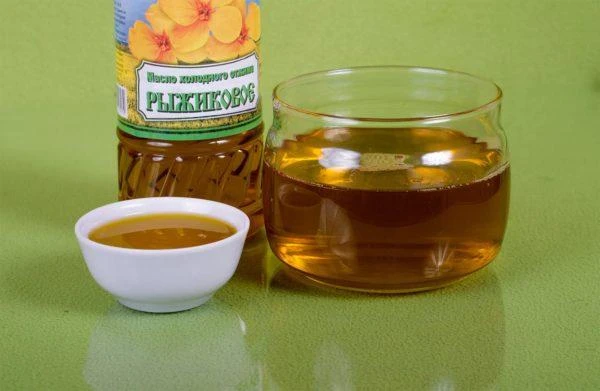
It is enough to mix the shells with oil. The wireworm will eat the bait but will not be able to digest it and will die.
Shells can be used not only in dry form but also in liquid form. The second option involves preparing infusions. If it was not possible to stock up on shells, ready-made mixtures can be purchased at specialized stores.