
May is a month of sharp temperature fluctuations. After early spring, a cold snap often follows, and night frosts can last until the first decade of June. The only ones who remain calm are meteorologists, assuring that weather changes are within the norm.
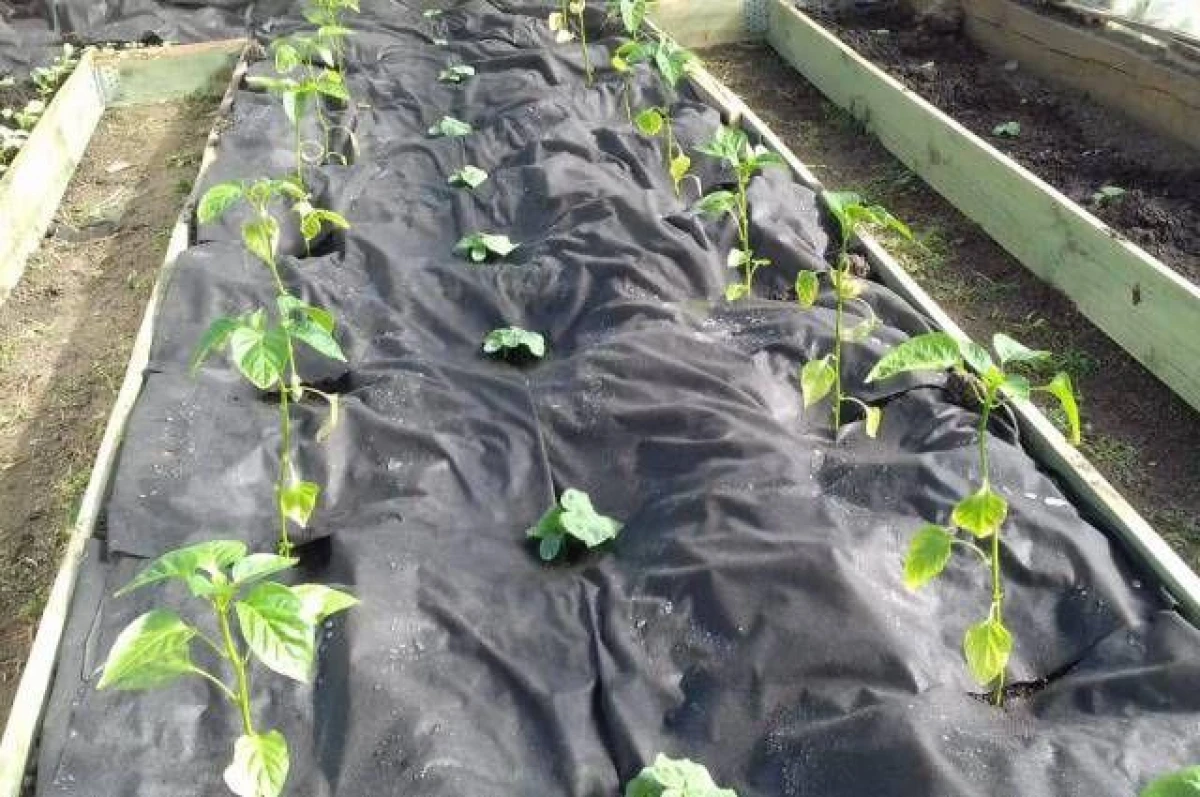
When planning plantings in open ground, it is better to rely on actual temperature rather than calendar dates. At +10 °C, seedlings take root poorly. Sometimes small cold snaps (down to -1 °C) do not leave visible damage but slow down plant growth, which affects flowering and fruiting times. To protect seedlings from return frosts, it is recommended to use additional coverings — covering films and non-woven materials.
Should seedlings be hardened before planting?
Seedlings grown indoors are advised to be hardened throughout the time leading up to planting in open ground. For this, after picking, the room should be regularly ventilated so that the seedlings get used to lower temperatures. One to two weeks before planting in the ground, you can leave the window open at night. If the weather permits, it is advisable to place the seedling boxes on the balcony to acclimatize the plants to direct sunlight and wind.
All plantings in May by timing
What to plant in early May
The end of April — the beginning of May, when the ground has thawed but the plants have not yet begun to sprout, is the optimal time for dividing and transplanting clematis into open ground.
In early May, we sow for seedlings to be planted in open ground such vegetables as cauliflower, early varieties of white cabbage, pumpkins, zucchini, pattypans, cucumbers, melons, watermelons, as well as heat-loving decorative annuals: garden beans, ipomoea, and others. By growing them through seedlings, the flowering period can be significantly accelerated.
If there is no possibility to grow seedlings, in early May we plant in open ground for later flowering annuals: asters, alyssum, helichrysum, and others.
In the greenhouse, we plant March seedlings of early varieties of cucumbers, tomatoes, peppers, and eggplants.
In the first days of the month, if the temperature is positive, we sow in open ground vegetables and leafy crops: carrots, beets, radishes, leaf and head lettuces, peas, onions, parsley.
By the end of the first decade, we sow beans, corn, sunflowers, broccoli (under film), as well as perennial and annual flowers that can be grown without seedlings. In the greenhouse, we sow seedlings of zucchini, pumpkins, melons, and watermelons.
What to plant in mid-May
In mid-May, when the soil is warm enough, we can plant leek seedlings in their permanent place.
What to plant in the second half of May
In the second half of May, we continue to plant seedlings of cucumbers, tomatoes, peppers, and eggplants in greenhouses. We also plant cold-resistant flower seedlings in the ground: violas, forget-me-nots, Turkish carnations, daisies, and others. We plant spring garlic and onion sets.
In addition, we plant potatoes. When choosing planting dates, it is better to rely on soil temperature rather than calendar dates: at a depth of 8-10 cm, it should warm up to 6-8 °C. To avoid measuring the soil temperature yourself, pay attention to trees — thanks to their deep roots, they know exactly how warm the soil is at various depths. In folk wisdom, the optimal time for planting potatoes is determined by the flowering of bird cherry. As soon as the flowers bloom, it is time to act. To prepare the planting material in time, it is useful to know that bird cherry blooms on the 28th day after the hazel flowers and on the 10th day after the birch greens.
We plant cold-resistant vegetable seedlings in the ground under cover (lutrasil): white cabbage, Brussels sprouts, root celery, and leek seedlings sown in March.
If warm weather has settled in, we plant previously grown flower seedlings in open ground: asters, ageratum, verbena, violas, gaillardias, carnations, snapdragons, cinerarias, coreopsis, and others.
What to plant at the end of May
In the third decade of the month, we sow in open ground decorative perennials and annuals: godetia, clarkia, calendula, cosmos, lavatera, poppy, nasturtium, tagetes, escholtzia, and others. We sow seeds in open ground under film or plant previously prepared seedlings of cucumbers, zucchini, pattypans, and pumpkins. We plant un-sprouted tubers of dahlias.










Leave a comment