
On May 5, Orthodox Christians celebrate Easter, or the Bright Resurrection of Christ — the main holiday of Christianity, rooted in the distant past. This event symbolizes the triumph of life over death and reminds of the miraculous resurrection of Jesus Christ. The holiday, with its rich history, has many beautiful traditions. Let’s consider the most significant of them.
The Significance of Easter for Christians
Easter, or the Bright Resurrection of Christ, is the oldest and most significant holiday for Orthodox Christians. This event, symbolizing the Resurrection of Jesus Christ and the victory over sin and death, is called "the feast of feasts and the celebration of celebrations." The Resurrection of Christ, confirming the truth of his teachings, forms the basis of the Christian faith in eternal life.
Easter is filled with deep spiritual meaning for all Orthodox Christians. During the celebration of the Bright Resurrection of Christ, believers recall the story of the great event associated with the crucifixion and resurrection of the Savior. This holiday serves as a reminder of spiritual rebirth and renewal of life in accordance with the teachings of Jesus Christ.
When Easter, or the Bright Resurrection of Christ, is Celebrated
Easter does not have a fixed date; however, there is a clear reference. This event is celebrated on the first Sunday after the first spring full moon. In 2024, the Bright Resurrection of Christ will be celebrated on May 5.
What Precedes Easter
The Bright Resurrection of Christ is preceded by Great Lent — the strictest and longest of all fasts, lasting 48 days. In 2024, Great Lent began on March 18 and will end on May 4. Its purpose is to prepare believers for the celebration of Easter.
During this strict fast, Christians are prohibited from consuming eggs, meat, and dairy products. In the early days of the fast, food is excluded, and believers are content with only pure water. However, the restrictions apply not only to food.
Believers must refrain from entertainment activities, not offend their loved ones, avoid foul language, and abstain from alcohol. This time is dedicated to prayers, which allow them to communicate with God.
Among the main events preceding Easter is Palm Week. During this period, Orthodox Christians celebrate Lazarus Saturday, and the culmination of Palm Week is Palm Sunday, also known as "The Lord's Entrance into Jerusalem."
The Main Symbols of Easter
The Bright Resurrection of Christ has many symbols, among which the main one is the Holy Fire. Believers eagerly await its appearance, full of hope. The descent of the Holy Fire occurs in the Church of the Holy Sepulchre in Jerusalem. In 2024, this event is expected on Holy Saturday, May 4.
According to the scriptures, the first person to see the Holy Fire and learn of the Savior's resurrection was the Apostle Peter.
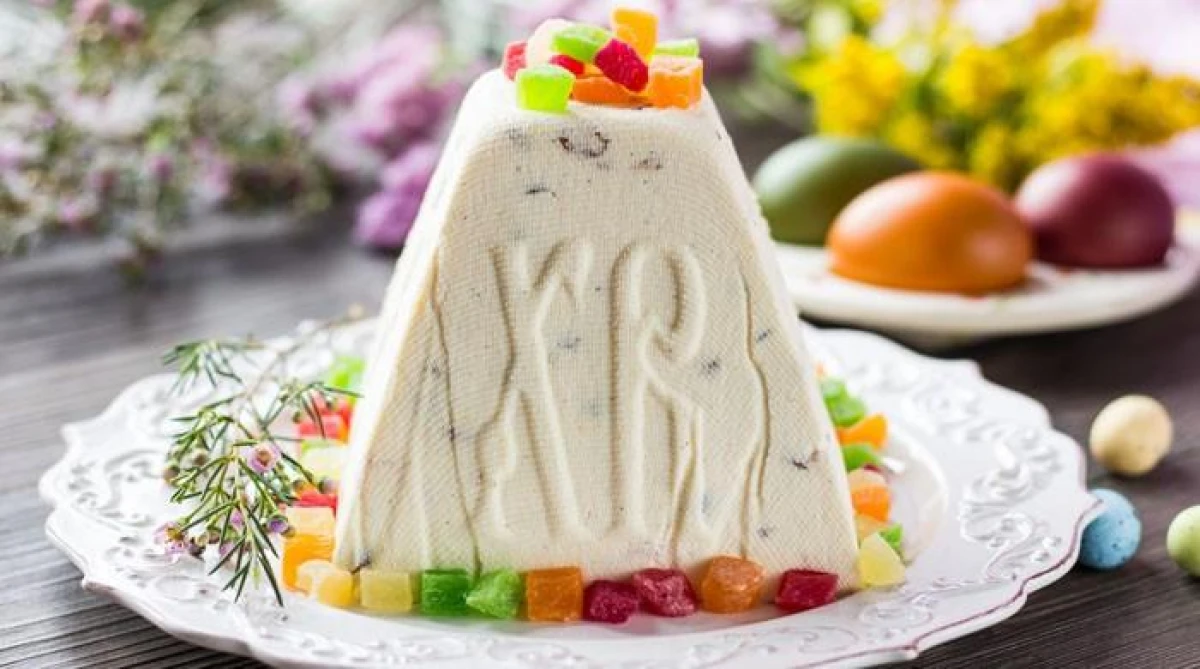
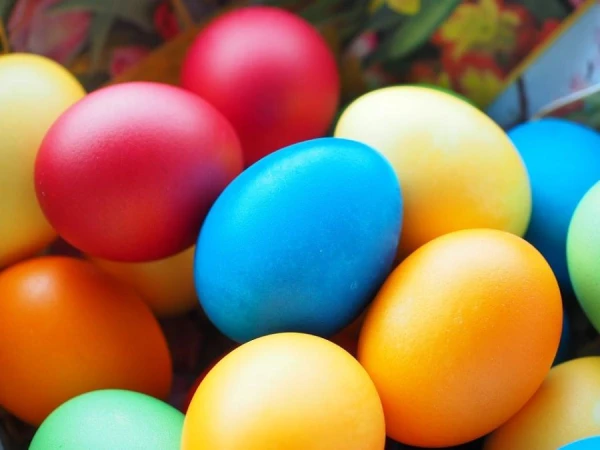
Symbols of the Bright Resurrection of Christ also include painted eggs, kulich (Easter bread), and paskha (Easter dessert). Painted eggs, closely associated with Easter, have their own history related to Mary Magdalene.
As recounted in the scriptures, Mary Magdalene, upon learning of the miraculous resurrection of Jesus Christ, went to Emperor Tiberius to inform him. The symbolic gift she brought to the emperor was a chicken egg.
Upon hearing the story of the miracle of miracles, the ruler stated that he would sooner believe that the egg would turn red than in the resurrection from the dead. At that moment, the egg in Mary Magdalene's hands turned red. Since then, painted eggs symbolize the resurrection of Jesus Christ.
Kulich and paskha also have their origins. During one of the meals with the apostles, the Savior referred to bread as his body. After the Resurrection of Christ, the disciples began placing bread at the spot where Jesus had sat, which over time was replaced by kulich, symbolizing the Almighty. Later, kulich began to be decorated with icing.
Paskha is also associated with Christ. Its shape, resembling a truncated pyramid, symbolizes Golgotha — the hill where Jesus Christ was crucified. Cottage cheese and honey, which are the main ingredients of paskha, symbolize the promised land for Christians, "where milk and honey flow."
When to Dye Eggs, Bless Kulich and Paskha
All actions related to the main symbols of the Bright Resurrection of Christ take place during Holy Week. Each day of this week has its significance, and special time is allocated for dyeing eggs, baking kulich, and making paskha. This is designated for Great or Clean Thursday, which in 2024 falls on May 2.
The Church does not prohibit baking on Holy Friday. Eggs can also be dyed and kulich baked on Holy Saturday if someone has not managed to do so in the allotted time, but this should be done early in the morning to have time to bless the kulich, paskha, and painted eggs in church.
Easter 2024: What Can Be Done on the Bright Resurrection of Christ
On the holiday, for which preparations begin in advance, it is customary to visit churches where festive services are held. There is an ancient tradition that even those who rarely attend church adhere to: on Easter, families are expected to come to churches together.
On the Bright Resurrection of Christ, believers strive to support people who find themselves in difficult life circumstances. They can be helped with money, food, or clothing. Financial support can be small — everyone shares what they can. The main thing is that this act is done from a pure heart, not for show.
After the festive service, believers gather at Easter tables, which should be covered with bright tablecloths. In ancient times, meals began with the sharing of one blessed egg and kulich among all participants of the festive feast.
Easter: Folk Omens
Since ancient times, people have known: if it rains on Easter, spring will be just as inclement. If a thunderstorm begins, autumn will be warm and late. If by Easter the snow completely melts, a large harvest of grains can be expected in the summer. If suddenly a frost strikes, the summer will be warm and long.
Easter 2024: What Not to Do During This Time
Easter has its prohibitions. Among the main ones are gluttony and excessive consumption of alcoholic beverages. It is important to remind that special caution in eating should be observed by those who have kept a strict fast; otherwise, the bright and joyful holiday may turn into suffering. On Easter day, it is forbidden to:
Engage in heavy physical labor. The exception is made for those who are forced to work due to professional obligations.
Argue, use foul language, or have conflicts with loved ones. The bright holiday is not a time for conflicts. It has a completely different purpose.
Throw away food scraps. In ancient times, everything that was not eaten at the festive table was given to pets or birds. If this is not possible, feeders located in squares, parks, and yards can be used.
Refuse to give alms — this is a great sin that can lead to spiritual emptiness and illness.
On Easter, it is not customary to visit cemeteries and commemorate the deceased. This can be done after the holiday. Ahead is Radonitsa, the day of remembrance for the deceased, which this year will be observed on May 14.













Leave a comment