
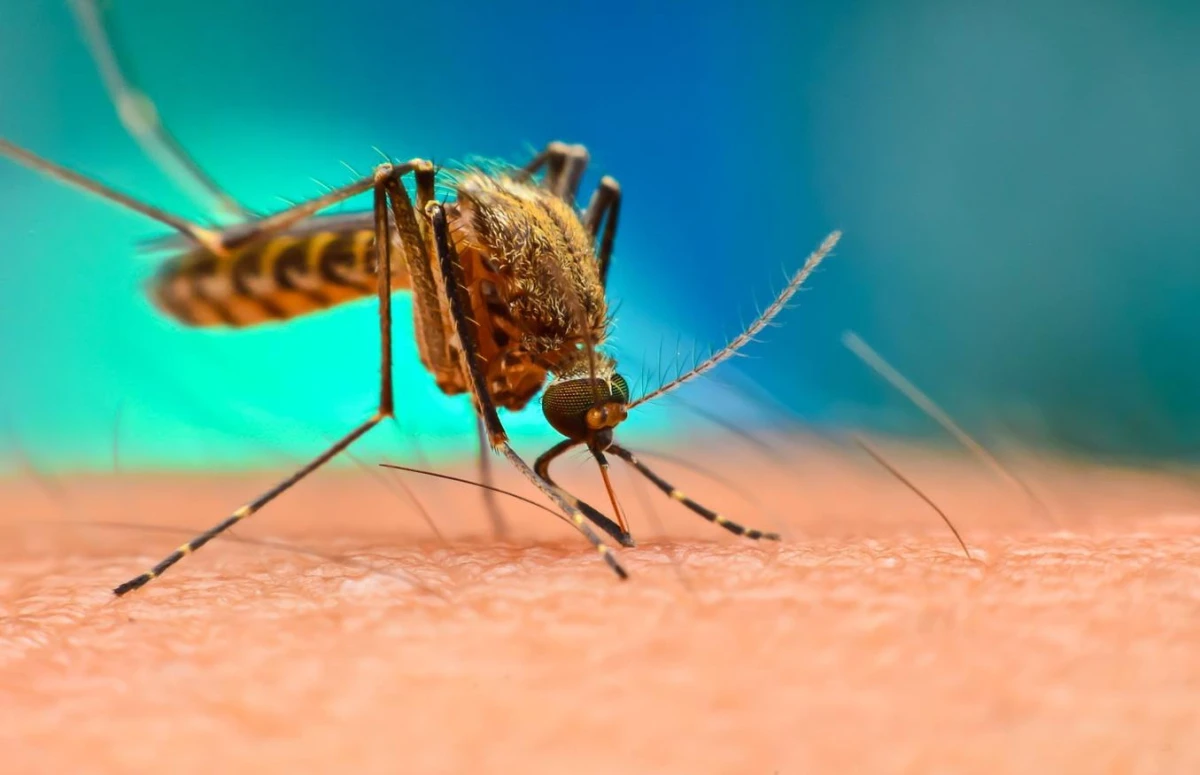
It seems that some people are ignored by mosquitoes while others are literally attacked. Scientists have explained what determines this choice—and it turns out it's not just about "sweet blood."
What Factors Increase the Risk of Mosquito Bites
Scientists have found that mosquito selection depends on a person's blood type, the amount of carbon dioxide exhaled, and even the color of clothing. Some people, due to genetic traits, are more likely to suffer from bites from these insects.
Why Mosquitoes Choose Certain People
Researchers have proven that mosquitoes rely on complex chemical signals. The main factor is blood type: individuals with type O blood are bitten much more often than those with other blood types.
In addition to genetics, the level of metabolism plays an important role. People with a faster metabolism exhale more carbon dioxide, making them more attractive to insects. Mosquitoes also respond to body temperature and specific substances on the skin, such as lactic acid.
"The more you exhale [carbon dioxide], the more attractive you are to these arthropods," explained Professor Jonathan Day about the gas's effect.
What Factors Increase the Risk of Mosquito Bites
Several factors influence the likelihood of becoming a target for mosquitoes, including:
-
Alcohol: even a small amount of drinks makes a person more noticeable to insects;
-
Physical activity: sports and intense movements lead to increased sweating, which attracts mosquitoes;
-
Overweight and pregnancy: due to intense breathing and increased body temperature;
-
Dark clothing: insects see people in black or blue better due to silhouette contrast.
Researchers emphasize that only female mosquitoes bite, and swelling and itching are the immune system's response to their saliva, as reported by bb.lv. Besides unpleasant symptoms, mosquitoes remain dangerous carriers of diseases such as malaria and dengue fever.
Attractiveness to mosquitoes is a combination of genetics, physiology, and even habits. Completely avoiding bites is difficult, but understanding risk factors helps reduce their number—from clothing choices to controlling activity and the surrounding environment.














Leave a comment