
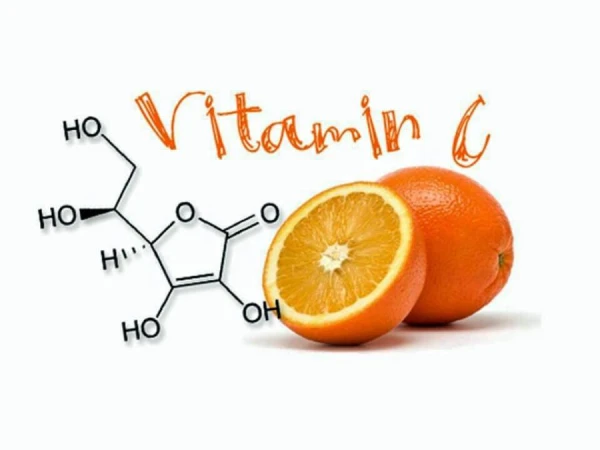
With the arrival of spring and sunny days, we increasingly think about vitamins. The first seasonal fruits and vegetables will appear only in early May, and we will have just four months to stock up on vitamin C and prepare for the cold season. In this article, we will share important information regarding this micronutrient and find out if it is as beneficial as commonly believed.
Vitamin C, also known as ascorbic acid, is one of the most well-known vitamins, and its beneficial properties for the human body are widely discussed. This is especially relevant now, as many seasonal products rich in this important micronutrient are appearing in markets and stores. Contrary to popular belief, vitamin C is not only found in citrus fruits in large quantities. For example, summer greens, currants, parsley, dill, apples, as well as red and green peppers are among the leaders in vitamin C content.
Like any vitamin, vitamin C has its own recommended intake. For an adult, it is about 90 mg per day. Usually, by adhering to a varied diet with an emphasis on plant-based foods, one can obtain sufficient amounts of vitamin C from food. Supplements are only needed in exceptional cases, such as when there is an increased risk of viral infections. What else should be known about vitamin C? Let’s separate myths from facts.
Myth: Vitamin C can cure any cold
If this were true, the list of medicines would consist of one item. Vitamin C does support the immune system, but it does not have healing properties like a magic wand. Moreover, taking it in large doses makes no sense, as this micronutrient easily dissolves in water, and excess is poorly absorbed in the small intestine, being excreted from the body by the kidneys.
The main proponent of the theory about the healing properties of vitamin C is chemist Linus Pauling. He suggested increasing the dose of vitamin C to 3 g per day (compared to the norm of 90 mg) during illness. However, there is no serious evidence for this hypothesis, although many continue to believe in it. Nevertheless, a glass with a dissolved vitamin C tablet can indeed improve well-being. However, there is no point in buying kilograms of lemons during a cold; it is better to focus on consuming foods containing ascorbic acid as a preventive measure.
Fact: Vitamin C is essential for the health of skin, ligaments, and tendons
One of the key properties of ascorbic acid is its participation in collagen synthesis, which reduces the risk of certain chronic diseases. Collagen is the foundation of skin, ligament, and tendon health. Additionally, vitamin C enhances the skin's photoprotection, accelerates the regeneration of vitamin E in the body, and suppresses melanin production, making the skin lighter. For maximum effect, it is recommended to use ascorbic acid in combination with creams and lotions.
Myth: You can't harm yourself by taking too much vitamin C
Although excess vitamin C is indeed excreted from the body with fluids, this does not mean that one should neglect moderation. Excessive consumption can increase the load on the kidneys and gastrointestinal tract, cause diarrhea, and even lead to the formation of kidney stones. The fact is that during excretion, vitamin C partially converts into oxalate salts. Research from the Karolinska Institute in Sweden shows that this feature of ascorbic acid may increase the risk of complications in the kidneys.
Fact: Vitamin C improves iron absorption
Iron deficiency in the body can lead to anemia, which, in turn, negatively affects well-being: dizziness and severe fatigue occur. In the worst case, cardiovascular problems may arise, and the condition of the skin, nails, and hair may deteriorate. Anemia usually occurs due to an unbalanced diet, when there is insufficient meat, fish, and other iron-rich foods in the diet. Vitamin C can help prevent this problem, as it significantly increases the bioavailability (and therefore absorption) of non-heme iron found in plant foods: legumes, nuts, and dried fruits. If you follow a vegetarian diet or do not consume meat for some reason, it is important to maintain the daily intake of vitamin C.
Myth: Vitamin C reduces the risk of cancer
This theory was also promoted by Linus Pauling, who claimed that this micronutrient could cope with many diseases, including cancer. However, modern research has not yet confirmed the effectiveness of ascorbic acid in combating oncology, so this statement remains a myth.
Fact: Lemons are not the champions in vitamin C content
If you still believe this, we hasten to disappoint you. Citrus fruits (lemons, oranges, mandarins) do contain a lot of vitamin C, but much more is found in other products. The leader in vitamin C content is rosehip, and among the top five are sea buckthorn, sweet pepper, black currant, and kiwi. Among citrus fruits, the highest vitamin C content is found in pomelo (65 mg per 100 g).
Currently, acute vitamin C deficiency is rarely encountered. Even with a not-so-balanced diet, obtaining the daily norm is not difficult. Nevertheless, it is important to remember the consequences of a lack of ascorbic acid. Deficiency can lead to scurvy, which manifests as bleeding gums, increased fatigue, prolonged wound healing, and frequent colds — this should prompt a visit to specialists.
Fact: Vitamin C is destroyed during heat treatment
If you add a slice of lemon to hot tea, it will not become completely useless. Much depends on the specific product, temperature, and processing time. However, the fact remains: fresh vegetables and fruits contain more ascorbic acid than, for example, boiled ones. Therefore, one should not rely on the benefits of raspberry jam prepared for winter.














Leave a comment