Those who are into plants do not need to be told about the benefits of having a small garden, even on a windowsill. A study on the impact of indoor plants showed that people spending time surrounded by greenery experienced significant improvements in cognitive functions and relaxation.
If you have long dreamed of creating a small garden on your windowsill or balcony, now is the time to make that idea a reality. Some plants can indeed enhance your health. According to Western expert Lauren Haynes, who trained at the Appalachian Center for Natural Health, “a simple plant is an easy and safe way to take care of yourself and your loved ones.”
Health-Promoting Plants
Aloe Vera (Aloe barbadensis miller)
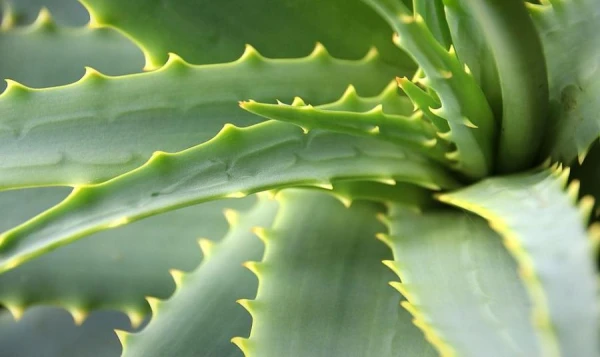
This succulent thrives in warm, sunny conditions, but it can also be grown indoors if the windows face the sunny side. Aloe vera is distinguished by its long, often greenish-yellow, lanceolate leaves. Jessica Baker, a registered herbalist and licensed acupuncturist, emphasizes: “The gel from the leaves can be used topically for sunburns or skin irritations.”
Moreover, this plant aids in “digestion and normal bowel movements,” adds Baker. “Aloe gel is beneficial for healing wounds of any type,” notes Lauren Haynes. “This is because aloe promotes collagen formation, which is a key protein in various tissues of our body.”
Lavender (Lavandula)
Lavender is known for its fragrance and purple flowers, which are often used in decor and aromatherapy. “Lavender is a medicinal plant that everyone should have, thanks to its relaxing and stress-reducing properties,” experts assert. Lavender is usually grown outdoors, but under the right conditions—adequate sunlight and warmth—it can also be successfully cultivated indoors, preferably by a window with direct light.
Lavender can be used in tinctures and baking. However, Baker recommends adding it to dishes with caution, as “the flavor can become soapy if too much is used in a recipe or tea.”
Mint (Mentha piperita)
Mint is easy to grow, but it does best in a separate container, as it can dominate other plants. For example, mint tea is soothing and can aid digestion, positively affecting the treatment of certain ailments. “Mint can also relieve rashes, as well as reduce sore throat and fever,” specialists note.
The green of mint activates the right hemisphere of the brain, which may enhance creativity.
Oregano and Rosemary (Origanum vulgare, Rosmarinus officinalis)
Oregano is most commonly associated with adding flavor to dishes, but besides its savory taste, this plant also offers additional benefits: “Oregano is a carminative herb that supports digestion well,” scientists report. Oregano is easy to grow in a container—as long as it receives enough sunlight.
Rosemary is a hardy Mediterranean shrub that prefers plenty of sun and warm temperatures. “Rosemary is my favorite medicinal plant for home growing,” says Jessica Baker. Rosemary has properties that can alleviate gas and bloating. While its long, narrow, pine-colored leaves are most commonly used, experts note that the flowers of rosemary are also edible.