

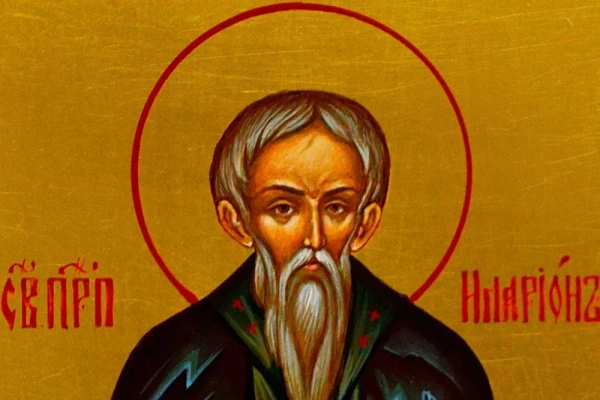
On February 20, Orthodox churches remember Saint Luke of Hellas — a monk who lived in the 9th-10th centuries. This day is known as Saint Luke's Day or Moguchnitsa. In folk tradition, it is customary during this period to remember deceased loved ones and treat those in need with pies filled with onions.
On February 20, Orthodox Christians commemorate the memory of Saint Luke of Hellas. This Greek monk, who took monastic vows at the age of 14, settled on the slopes of Mount Helicon at the end of his life, where he founded a monastic community. Later, a church dedicated to Saint Barbara was built here, and a monastery was erected.
Folk Calendar: Saint Luke's Day
The holiday dedicated to Saint Luke of Hellas has several names. Depending on the region, it could be called "Saint Luke's Day," "Fenya – the saving roots," or "Moguchnitsa."
What Can Be Done on Saint Luke's Day
In ancient times, on this day, people remembered their deceased relatives. In the morning, memorial candles were lit in churches, and prayers were offered. "If parents are alive – honor them, if they have died – remember them," said folk wisdom.
On this day, Saint Luke of Hellas was also honored, being considered the patron saint of peasants. People turned to him for help with agricultural work.
Our ancestors prepared pies with onions and greens harvested in the fall. These pies were meant to treat family, neighbors, and those in need. It was believed that such generosity would bring happiness to the home.
There was another ritual that explains the two other names of the holiday – "Moguchnitsa" and "Fenya – the saving roots." In the past, Moguchnitsa referred to the medicinal herb potentilla, whose leaves resemble crosses.
According to folk beliefs, on February 20 (February 7 in the old style), potentilla had special powers. On this day, herbal infusions were consumed, and ointments with potentilla were prepared, which were used for joint pain and bruises.
Saint Luke's Day: Folk Omens
In ancient times, it was believed that Saint Luke's Day could predict the weather for the summer. If the sun turned red at sunset, a cold and rainy summer was expected. If snow melted on this day, the summer would be warm.
If birds perched on the tops of trees, it foretold frosts. Fog lying on the ground indicated a thaw. If thunder was heard on Saint Luke's Day, which was rare, it was seen as a bad sign, heralding troubles.
Saint Luke's Day: What Should Not Be Done
Saint Luke's Day is a holiday filled with peace and kindness. In the past, people tried to avoid conflicts and not respond to rudeness from neighbors, relatives, or friends. On this day, it was forbidden to:
Start quarrels – leads to illness.
Refuse alms – leads to poverty.
Hold noisy feasts – leads to family problems.
Be greedy – the whole year will pass in need.
Make large purchases – everything will quickly become unusable.














Leave a comment