

On February 19, Orthodox churches honor Saint Vukol, a disciple of the Apostle John the Theologian, who lived in Asia Minor. In the folk calendar, this day is known as Vukol the Calf Keeper. Our ancestors knew that from this moment calves begin to appear, and the main concerns were related to cows.
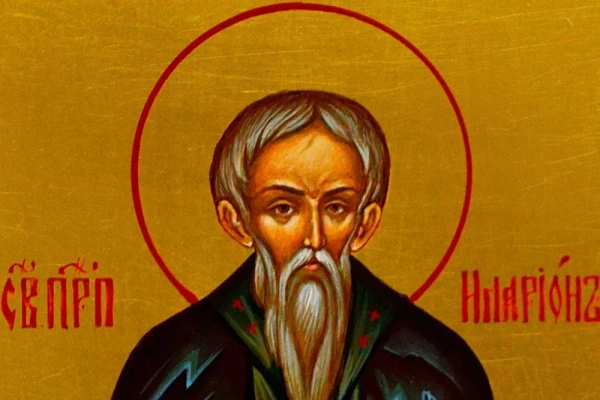
On February 19, Orthodox Christians commemorate Saint Vukol, a disciple of the Apostle John the Theologian. Little is known about the saint. According to tradition, he became the first bishop of the Smyrna church and lived in Asia Minor at the end of the 1st century. The saint was deeply devoted to the Christian faith, actively preached the Gospel, and did much to attract pagans to Christianity.
According to writings, after the death of Saint Vukol, a myrtle tree grew at the site of his burial, possessing miraculous properties. People suffering from incurable diseases were healed at this tree.
Folk Calendar: Vukol the Calf Keeper
Our ancestors believed that Saint Vukol protects domestic animals, especially calves, which were called zhukoly in folk tradition. It was believed that starting from February 19 (February 6 in the old style), they begin to be born.
Thus, the main concerns of peasants on this day were related to newborn animals. “When Vukols come, all zhukoly will be born,” people would say.
Vukol the Calf Keeper: What Needs to Be Done
The celebration dedicated to Saint Vukol began with a prayer in the church. People knew that if they prayed to the saint and lit candles, he would not abandon them in difficult times and would help the newborn animals survive their first, most challenging days.
People asked the saint for health and longevity — for themselves and their loved ones. Unmarried girls would seek help in finding worthy suitors.
The appearance of calves was also associated with the rite of milking milk. The first 12 milkings after calving were considered unsuitable for consumption. After the next milking, it was customary to cook porridge, and the oldest woman in the family was to conduct the rite.
A pot of porridge was placed in a bowl of oats and raised three times over the head while saying: “For a hundred bulls! For a thousand calves!” After that, the whole family would sit at the table and eat the porridge down to the last grain. Hay and oats were given to the cow, and the foam from the porridge, known as privoloka, was given to the calf.
Peasants remembered that on Vukol the Calf Keeper, pregnant cows should be well-fed, and the barn should be fumigated with thyme. According to beliefs, this ensured the strong health of the calves and tasty, nutritious milk.
Vukol the Calf Keeper: Folk Omens
The omens of this day were related to cows, and proverbs were created to remember them: “If a swallow flies over a cow, it will give less milk”; “If it’s wet under the hoof, the cow will reduce its milk”; “If a cow gives birth to twin calves of the same color — it’s good, of different colors — it’s bad”; “Don’t stroke the calf on the back — it will become weak.”
People knew: if it’s frosty on Vukol the Calf Keeper, the summer will be hot and dry. If dry leaves rustle on the trees — it’s a sign of snow. If cats are sleeping with their noses buried in something warm — it’s a sign of cold weather.
Our ancestors said that on the night of February 19, prophetic dreams are seen. If the dream is good, it will come true in eight days, but it must not be told. To ensure the dream comes true, in the morning they would say: “I won’t tell the dream to anyone, only ask the Lord for its swift fulfillment.”
The elders explained: if the dream is bad, immediately after waking up, one should look out the window and say: “Where the night goes, there goes the dream!” It was also necessary to share what was seen in the dream with those around.
Vukol the Calf Keeper: What Not to Do
There are also prohibitions related to cows and calves. For example, on this day, it was forbidden to sell the colostrum of animals. It was believed that whoever breaks this prohibition will be left without milk, as soon the cow will stop milking. On Vukol the Calf Keeper, it was strictly forbidden to:
Chase away a cat sitting at the barn door — otherwise, the cow will suffer from pain after calving.
Throw out garbage — the cow will have difficulty calving.
Stroke a newly born calf on the back — it may get sick.
Talk about the newly born calf — it will lead to the animal's illness.
Ask pregnant women who they are expecting — the child may be born with a large spot.
Buy a wallet — it will lead to poverty.
Lend money — there is a chance that the debtor will not repay.
By the way, on this day, it was generally advised not to lend money. The elders said that along with products or items from the house, money and luck would leave. It was also strictly forbidden to scold a cow if it mooed loudly, as it was believed that the cry drives away misfortune and poverty from the home.














Leave a comment