
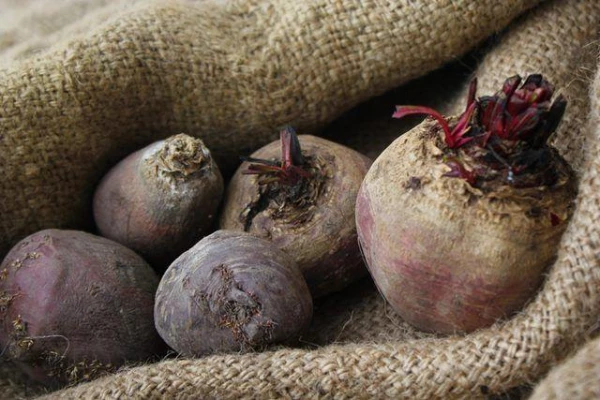
All root vegetables, except for radishes, are biennial plants that have developed the ability to remain dormant at low temperatures.
Like cabbage, root vegetables have a shallow root system, and under favorable conditions, their growth can resume. This period is called enforced dormancy, which is necessary for plants to complete key processes of generative development. The presence of such a period allows root vegetables to be stored for a long time.
There is a direct relationship between the ripening time at harvest, the rate of bud differentiation during storage, and the longevity of root vegetables. Well-ripened root vegetables (sown early) have a prolonged process of bud differentiation, which contributes to their good storage. In such root vegetables, complex sugars prevail over simple ones, and there is an increased content of dry matter and carotene compared to less ripened specimens.
Insufficiently ripened root vegetables complete the processes of bud differentiation more quickly, consume nutrients for these processes earlier, lose resistance to diseases, and are subject to significant mass loss during storage.









Leave a comment