

On January 17, Orthodox Christians commemorate the venerable martyr Zosima, who lived during the reign of Emperor Diocletian. In the folk calendar, this day is known as Zosima the Beekeeper. Ancestors considered it particularly dangerous, so they followed certain prohibitions. To avoid trouble and protect themselves from evil forces that became especially aggressive during the Christmas season, they used thistles collected and dried in the summer.
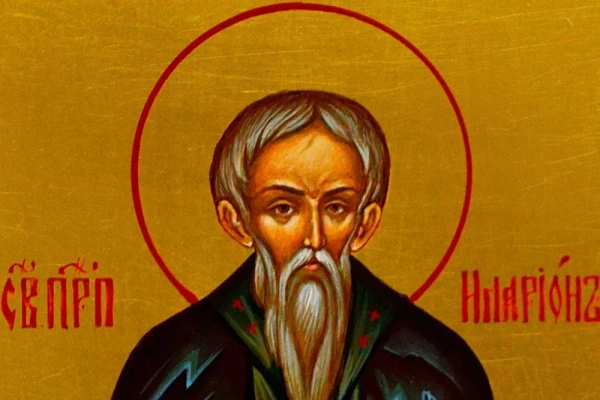
On January 17, Orthodox churches honor the venerable Zosima of Cilicia, who lived in the late 3rd – early 4th centuries, when the Roman Empire was under the rule of the cruel pagan Diocletian.
Zosima entered the history of Orthodoxy due to his faith in Jesus Christ, who bestowed upon him the gift of miracles. He not only healed people but also had the ability to communicate with animals.
When imprisoned, he endured suffering with fortitude and converted his pagan jailer to Orthodoxy. After his release, Zosima and his new mentor went into the desert, where they served God and Christians until the end of their days.
Folk Calendar: Zosima the Beekeeper
Zosima of Cilicia was considered the patron saint of beekeepers. Therefore, on the day of his memory, honey and sweets made from it were always present on the tables.
Winter Zosima the Beekeeper, along with the summer one, celebrated on July 2, was associated with the Christmas season and the struggle against evil spirits. Ancestors believed that during the Christmas festivities, witches, sorcerers, and kikimoras roamed among people, trying to harm them. Several days were considered particularly dangerous, including Zosima the Beekeeper, which concludes the Christmas season.
In ancient times, on January 17, men would wear their fur coats inside out, take a poker or a hook, and go out to drive away evil spirits. It was believed that evil spirits feared fire and thistles.
Thus, the brave ones carried torches, and dried buds of this plant were worn on their clothing. They also relied on amulets sewn into their clothes.
Zosima the Beekeeper: What Should Be Done
In ancient times, the Christmas season was used for divination. It was believed that on Zosima the Beekeeper, one could find out if a cherished wish would come true. For this, in the evening, people would look at the sky. If the stars were visible and the dipper of the Big Dipper was on the right, they rejoiced, as this meant that the wish would definitely come true.
Young women had their own interest: they looked at the sky hoping to see the Milky Way. If it was located to the right of the dipper, it meant that marriage was just around the corner, and it was time to prepare the dowry for the wedding.
Zosima the Beekeeper: Folk Signs
On January 17 (January 4 in the old style), one could predict the weather. For example, if a full moon was seen in a clear sky, it foretold a strong spring flood. If there was frost on Zosima the Beekeeper, farmers knew that the cold would not recede anytime soon.
Beekeepers rejoiced if there was a lot of snow on the trees. This foretold a honey summer in every sense. If a fox's cry was heard in the thicket, it meant that bad weather was expected.













Leave a comment