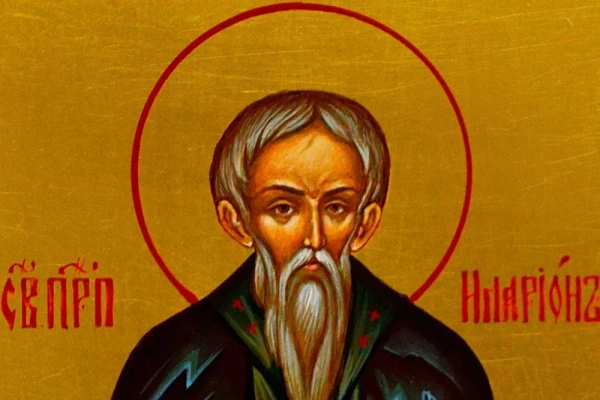
The Christmas Holy Days are a special period for Orthodox Russians, beginning with the Nativity of Christ on January 7 and ending with the Baptism on January 19. This time is filled with mysticism and predictions, filled with divinations and rituals rooted in antiquity.
What the Holy Days Represent
The words “Holy Days” and “holy” share a common root — “holy.” According to one version, “Holy Days” symbolize the glorification of the holiday dedicated to the birth of Jesus Christ.
The Nativity of Christ, celebrated by Orthodox Christians on January 7, is one of the most important twelve major holidays in Orthodoxy. According to strict chronology, the Holy Days begin on the night of January 6 to 7 and continue until the Baptism, which is celebrated on the night of January 18 to 19.
The Nativity, Holy Days, and Baptism are considered fixed holidays, clearly tied to specific dates. Every year, the Holy Days are celebrated from January 7 to 17.
The Christmas Holy Days are associated with the winter solstice, intertwining Orthodox and pagan traditions.
How the Holy Days Were Celebrated
The Holy Days are not accidentally considered a time of mysticism. The holiday unites the pagan Kolyada, Orthodox Christmas, and the secular Old New Year. In the past, the Holy Days were celebrated joyfully and noisily, and it was believed that how one spent this holy week would determine how one would live the entire new year.
During the holy week, every Christian attended festive services and was required to attend at least one or two services.
This time was a period of mercy and kindness. Relatives visited each other, exchanged gifts, trying to choose beautiful items. Just like Christmas, the Holy Days are considered a family holiday, so joint feasts, where tables are laden with treats, became an integral part of the celebration.
Holy Days: Traditions and Customs
One of the main traditions of the Holy Days is caroling. The ancient Slavic god Kolyada was associated with the renewal of nature and the beginning of a new life cycle. With the arrival of Orthodoxy, carolers began to mention Jesus Christ in their songs.
In the past, during caroling, people organized noisy dances, lit bonfires, and rode down hills on burning wheels. Carolers, dressed in costumes of bears and other characters, went from house to house, singing carols and demanding treats.
Candles, symbolizing the Savior, became an important attribute of the Holy Days. People decorated their homes with candles, tying fruit trees with bright ribbons. Floors were covered with straw, and in the corner, considered red (the most important), a sheaf was placed. It was believed that such actions would help attract prosperity and good luck to the home.
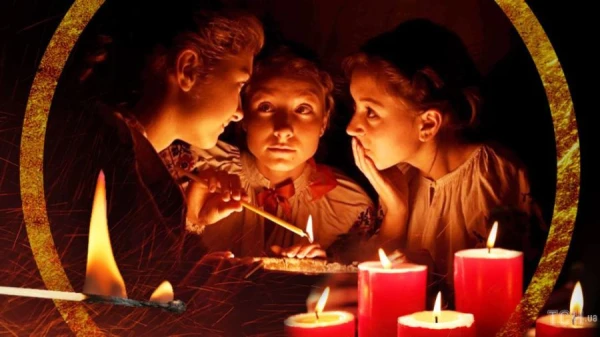
Another tradition of the Holy Days was divination. Although the church condemned these pagan rituals, people continued to try to glimpse the future. Both wealthy and ordinary people practiced divination.
Holy and baptismal divinations are described in the works of authors such as Vasily Zhukovsky, Alexander Pushkin, and Leo Tolstoy. The heroines of Russian classics divined about their betrothed, and although neither Svetlana, nor Tatyana Larina, nor Natasha Rostova saw their future lovers, the belief in divination remained strong.
During the Holy Days, girls dreaming of marriage would divine using wax, apples, and mirrors. At night, they would light candles, take mirrors, and turn them to see the reflection of the moon. The number of small moons in the reflection would determine how many people would be in the family.
Molten wax poured into water could suggest how many children there would be in the family. Divination continued until the Baptism, but two nights were considered particularly lucky — before Christmas and Baptism.
Holy Days: Folk Signs
The Holy Days are not only a time for caroling and divination. During this period, people could predict the weather. For example, ancestors knew that if the night from January 13 to 14 was starry, the year would be fruitful.
This was also evidenced by snowfall and inclement weather on Baptism.
Holy Days: What Not to Do During This Time
One of the main prohibitions of the Holy Days was related to hunting and fishing. Since ancient times, people knew that during this time, it was forbidden to kill animals, birds, and catch fish. Violators of this prohibition risked illnesses and troubles throughout the year. During this time, it is also forbidden to:
Conflict with close and distant relatives. Even minor misunderstandings can lead to prolonged quarrels, during which all good deeds may be destroyed.
Engage in handicrafts. The prohibition concerns sewing, embroidery, and knitting, as this may lead to eye diseases.
Get married or engage. Such relationships may turn out to be short-lived.
Conduct general cleaning. It is believed that during the rampage of dark forces, one can carry away luck, peace, and tranquility from the home.
Borrow money. In ancient times, it was believed that this would lead to poverty.
Overeat. Gluttony is considered a grave sin, and during the Holy Days, excessive food consumption may result in stomach illness.