
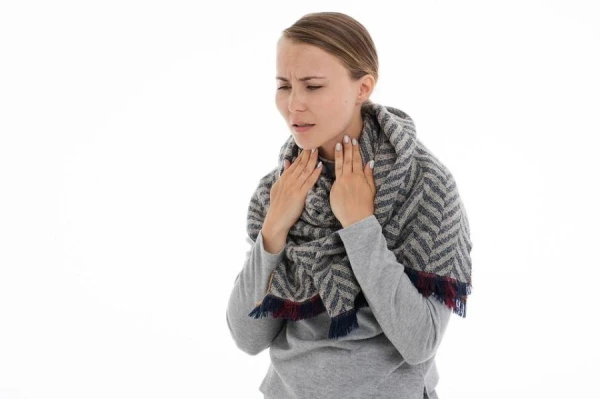
Changes in voice can be both temporary and chronic, arising after illnesses, overstrain of the vocal cords, or against a background of stress.
How to quickly regain your voice? This question was answered by therapist Alena Gulyaeva.
Voice disorders are classified into two categories — dysphonia (changes in volume, pitch, and timbre) and aphonia (complete loss of voice, leaving only whispering).
Voice distortions can be functional (temporary). They occur due to overstrain of the vocal apparatus, for example, from prolonged shouting, loud singing, exposure to psychotraumatic factors, or after acute respiratory illnesses that lead to swelling of the vocal cords, resulting in a hoarse or raspy voice.
Organic changes in the vocal apparatus occur due to anatomical changes or chronic inflammatory processes.
Changes in voice can be associated with various diseases: thyroid pathologies, allergic rhinitis, gastroesophageal reflux, respiratory tract inflammations, as well as injuries, surgeries, and burns. Changes in the pace and timbre of speech may indicate neurological pathologies when the innervation of the vocal apparatus is disrupted. For example, dysarthria (difficulty in pronunciation, distortion of words or individual sounds) can be a residual effect after a stroke.
Causes of voice changes can also include harmful habits. Prolonged smoking leads to chronic inflammation of the larynx, which over time causes voice disorders, and polyps may form on the vocal cords, also leading to voice distortion.
In chronic alcoholism, the condition of the salivary glands changes, saliva production decreases, causing persistent dryness of the oral mucosa, and the voice may become hoarse.
If your voice is lost due to excessive strain on the vocal cords:
— Try to speak less or speak quietly, but do not whisper (whispering puts more strain on the vocal cords).
— Drink warm beverages (chamomile or sage infusions, ginger tea, milk with honey — if there are no intolerances), and use lozenges with herbal components.
— If you smoke, try to reduce the number of cigarettes or completely quit this harmful habit.
— Avoid carbonated drinks and spicy foods — they irritate the oral mucosa.
If there is no improvement after 7-10 days, it is necessary to consult a therapist or an otolaryngologist.
To prevent your voice from disappearing
Moisten the air and regularly conduct wet cleaning.
Do not overload your vocal cords. If you need to speak for a long time, drink warm non-carbonated water. Quit smoking, including passive smoking (inhaling smoke from those smoking nearby). Treat colds in a timely manner and follow your doctor's recommendations.














Leave a comment