
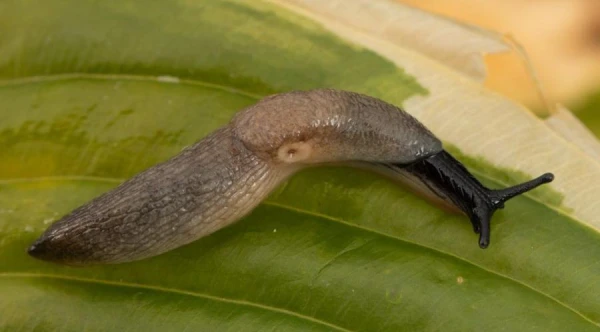
Dangerous pests can completely destroy the harvest of cabbage, peppers, and other crops. If you have had problems with slugs throughout the gardening season, it's time to start winter control against them.
Slugs are serious enemies of gardeners. They eat everything in their path but prefer the fresh, juicy parts of healthy plants.
Once settled in a garden plot, they can cause significant damage to the tubers and foliage of potatoes, white and cauliflower, lettuce, seedlings, and young shoots of many vegetables, as well as the leaves of beans and peas, and the fruits of strawberries, cucumbers, and tomatoes. Let's consider which methods of autumn slug control are effective.
Where Do Slugs Hibernate?
Before stable cold weather sets in, slugs look for places where the temperature rarely drops below 0° C. However, pests can survive even very low temperatures. Some species hibernate underground; they have developed a natural protection against the cold and can even hide under a layer of soil if they accidentally end up on the surface. The pests lay their eggs in the autumn, which, like the adults, also hibernate underground, and in spring, new slugs emerge from them.
A warm spot for slugs to hibernate is mulch. If you covered the root circles and beds with winter crops with mulch in early autumn, adult slugs and their eggs will find shelter there.
Methods of Fighting Slugs in Autumn
There are several ways to help get rid of slugs in the garden, or at least reduce their numbers.
Attracting Natural Predators
Slugs have quite a wide range of enemies, including predators. Among mammals, hedgehogs, moles, shrews, and some rodents eagerly eat slugs; among birds, rooks, jackdaws, starlings, and some gulls; and among domestic birds, chickens and ducks. Slugs are also part of the diet of many frogs, toads, salamanders, lizards, and snakes.
To attract natural predators to the plots, it is necessary to install houses, feeders, and shelters for small animals and birds.
For frogs, small ponds can be created; it is important that they are deep enough, do not freeze to the bottom, and have aquatic plants on the surface. Frogs can hide in a pile of brushwood, a clay pot buried in the ground, or under stones.
For hedgehogs, houses should be built; they must be securely attached to the ground, and hay or leaves should be placed inside.
A dry log on the ground in a secluded spot, covered with leaves, can serve as a shelter for shrews.
For lizards – a sunny rocky mound with niches under the stones and a supply of sand for laying eggs.
For birds – feeders.
Tilling the Garden
Tilling the soil will bring buried slugs to the surface, making it easier for birds and other predators to find them. The garden should be tilled in late autumn, and the soil should not be leveled with rakes.
Alkalizing the Soil
Slugs generally avoid alkaline soil. Lime and wood ash reduce soil acidity by raising the pH level, which is beneficial in some cases for crops that cannot obtain necessary nutrients from overly acidic soil.
Before tilling for the winter, lime is added to the soil or scattered directly on the surface.
Proper Mulching
Mulching some plants for winter is simply necessary; what should be done in this case? Mulch can be harvested outside the plot, and when the soil begins to freeze, it can be used to cover the plants. Or after the first frosts, inspect the mulch in the mulched root circles, removing slugs and their clutches.









Leave a comment