It is difficult to give a definitive answer to this question, explained child nutrition consultant, nutritionist Yulia Barycheva.
A selective attitude towards food is often determined not by the whims of the child, but by physiological or psycho-emotional factors.
Expecting that a child will outgrow their preferences means taking a position of inaction and hoping for the best, the expert believes. This can lead to anemia, a weakened immune system, and other negative consequences, including behavioral problems.
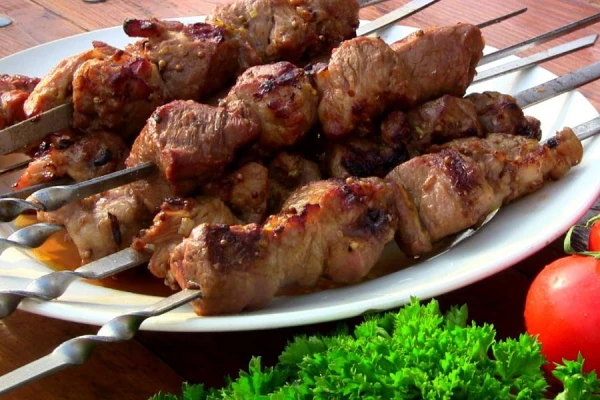
There are many examples of children refusing meat until the ages of 7-9-12, and then starting to eat it.
However, firstly, this does not mean that by that time there are no deficiencies in the body. Secondly, it is likely that changes have occurred in the body, making it capable of digesting and absorbing protein only at a later age.