
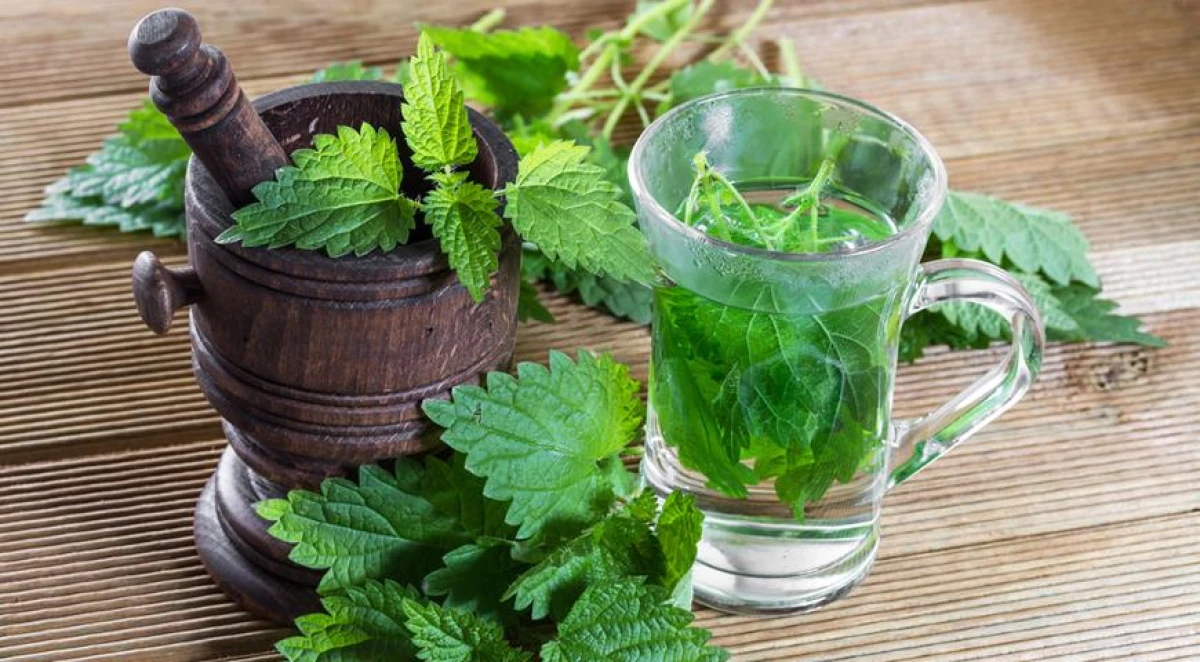
In May, experienced herbalists gather young nettle, knowing that behind its stinging properties lies a tender nature. This is the perfect time for preparing green salads, light soups, and fragrant spring pastries. Let's consider the advantages and disadvantages of young nettle.
Causes of Nettle Burning
Nettle is a whole genus of plants comprising over 50 species. The most common are stinging nettle (Urtica dioica L.), a perennial tall plant, and annual nettle (Urtica urens L.), a shorter annual plant. The Latin name of this plant comes from the word "uro," which translates to "burn" — this is what nettle is known for, although its main feature is its rich content of beneficial substances. This vitamin "treasure" protects itself with hollow hairs — stinging cells that cover the stems and leaves.
Each of these hair-like cells contains a mixture of formic acid and histamines, and the tip is impregnated with silica — upon contact with the skin, it breaks off, and the venom is "injected" into the wound. As a result, swelling, burning, and itching occur.
Benefits of Nettle
What is this plant so fiercely protecting? Nettle contains a large amount of:
carotene and carotenoids (more than in carrots)
vitamins (especially C, B group, and K)
chlorophyll
tannins
flavonoids
phytoncides
organic acids
porphyrins
glycosides
acetylcholine
The mineral composition is also diverse: iron, manganese, sulfur, copper, silicon, boron, nickel, titanium, potassium, calcium, and other elements. It is not surprising that nettle, with such a rich composition, has been considered a medicinal remedy for centuries and is actively used in folk medicine. It has general strengthening, tonic, anti-inflammatory, bactericidal, antiseptic, wound-healing, hemostatic, diuretic, choleretic, expectorant, mild laxative, anticonvulsant, and many other properties.
In folk medicine, nettle is used in the form of decoctions or infusions to treat stomach and kidney diseases, for wounds and bleeding, anemia and vitamin deficiencies, muscle pain and rheumatism, as well as for combating skin diseases and gout.
Nettle is also used in cosmetology. Infusions and decoctions are used to wash hair for strengthening and improving growth; it can help with hair loss and excessive greasiness. Masks for the face are made from the young plant, which help combat acne, pimples, inflammation, even out skin tone, and lighten freckles and age spots.
Harms of Nettle
However, not everything is so straightforward — such a rich composition can have the effect of a "vitamin bomb" under certain health issues. Due to the high content of vitamin K, which actively participates in the blood clotting process, nettle can thicken the blood in cases of blood formation disorders. Therefore, it is not recommended to consume it with increased blood clotting and during the intake of anticoagulants. It is also advisable to avoid its consumption during bleeding caused by cysts, polyps, tumors, and other diseases requiring surgical intervention. Caution should be exercised when using nettle in cases of kidney stones and gallstones, as well as for people with varicose veins and thrombophlebitis.
Additionally, nettle can cause a severe allergic reaction in individuals with an intolerance to the toxins it contains, up to fever and anaphylactic shock.
Recipes with Nettle
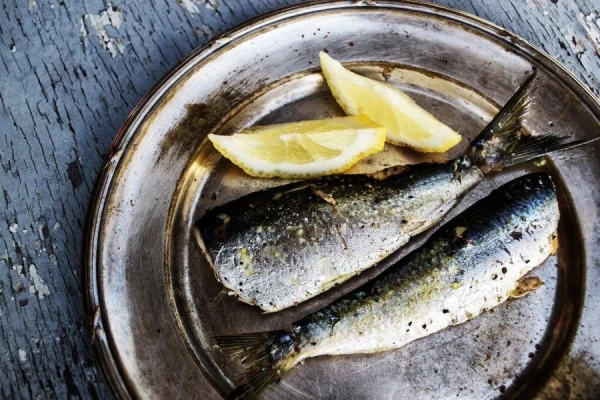
It is recommended to consume young nettle, which has already accumulated the maximum beneficial substances for active growth but has not yet protected itself with toxic hairs. Young nettle is harvested in May — early June, dried, or frozen for future use. From fresh greens, previously scalded with boiling water to "take away the sting," salads, fillings for pies, omelets are prepared, and it can be baked with potatoes, fish, and poultry. It is best to add it 5–10 minutes before the end of cooking to preserve the maximum beneficial properties.
One of the most popular dishes made from young nettle is green borscht, to which any other seasonal greens can be added: sorrel, spinach, dandelion. Nettle pairs wonderfully with potatoes and rice. Dried nettle can be ground into powder and used as a seasoning for various dishes to taste.









Leave a comment