Ensuring food safety helps prevent intestinal infections. It is important to wash vegetables properly before cooking and consuming them raw. Considering the differences in moisture content, growing conditions, and skin thickness, there are certain nuances to this process.
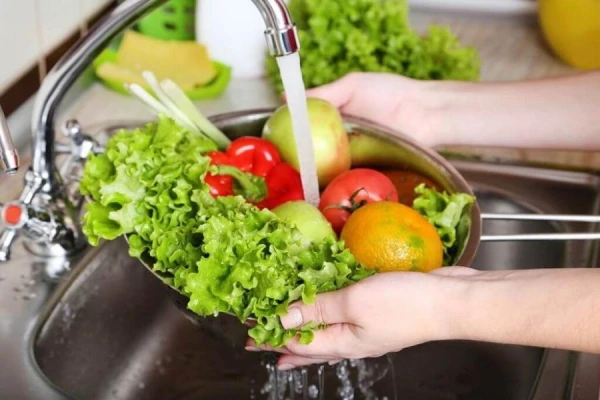
All products should be washed under cool running water. Low temperatures help prevent pathogenic microorganisms from entering the pores of vegetables. The movement of water effectively removes dirt and bacteria from the surface.
Greens
Greens should be soaked in water after sorting the leaves and flowers. For more thorough cleaning from pathogenic microorganisms and helminths, they can be soaked in a saline or vinegar solution for 30 minutes (1 tablespoon of vinegar or salt per 1 liter of water).
Cruciferous Vegetables
Broccoli and cauliflower do not contain significant amounts of sand, so they can be washed both before and after cutting. Place the vegetables in a colander and rinse with cold water.
Root Vegetables
Before consumption, root vegetables should be soaked in warm water for 10-15 minutes, then scrubbed with a brush and rinsed.
Celery and Fennel
These vegetables are sturdy and can withstand greater water pressure. Remove external defects with a vegetable peeler, then rinse before cutting.
Zucchini and Pattypan Squash
Pathogenic microorganisms may be present on their skin. Clean the surface of dirt with a soft brush or silicone attachment, then rinse under running water.
Mushrooms
It is important to process mushrooms just before use. If they are washed and stored in the refrigerator, they will quickly become slimy. First, cut off the stems, then dip the caps in a bowl of water and stir to remove sand and dirt. Drain the water and dry with a clean towel.
Onions and Garlic
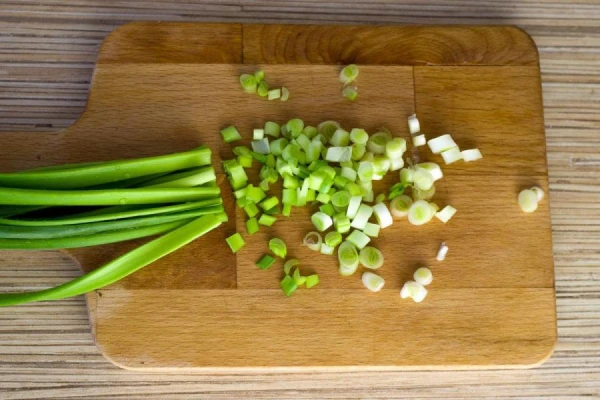
Although these vegetables have a protective shell, they should still be washed before cutting. This is a preventive measure against pathogenic microorganisms. If dirt remains on the surface, remove it with a brush.
Beans and Peas
Small vegetables can be conveniently washed in a colander. Gently stir them while the water runs through.
Berries
Berries should be washed in a colander, spreading them in a single layer. Hold the colander under running water for 5 minutes. Strawberries should be soaked in water for 5-10 minutes, then rinsed.
Watermelons should also be washed with soapy water and then thoroughly rinsed.
Fruits
Fruits with thick skins, such as bananas and oranges, should be rinsed under running water using a brush.
Many imported fruits are coated with paraffin to maintain freshness. This can be washed off with a brush in warm soapy water, then rinsed well under running water. If the skin is perfectly smooth and even, it may indicate a large amount of paraffin used — in this case, the skin can be completely peeled off.