
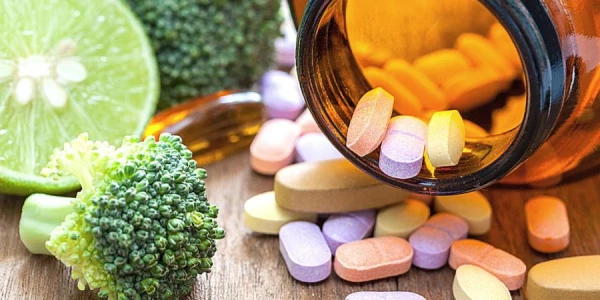
Doctors usually recommend not taking medications on an empty stomach and to make sure to eat something before taking a pill.
However, what you eat significantly affects how your body absorbs the medications you take. Some foods can enhance the effectiveness of medications, while others can reduce it. The list of such foods is quite extensive — from grapefruit to cheese. These foods can cause side effects when combined with certain medications. Otherwise, you risk encountering blood clots and serious liver problems.
Before starting a new medication, it is crucial to carefully read the instructions to find out which foods are best to avoid.
According to a study, about 75% of patients always read the instructions that come with the packaging, 22% do so sometimes, and 3% never do.
If you are taking medications, here are 5 foods to exclude from your diet. They should not be combined with certain medications to avoid unpleasant consequences.
1. Grapefruit and Statins
Grapefruit contains a group of chemical compounds known as furanocoumarins, which slow down the breakdown of medication in the body. They block the action of certain enzymes, which can lead to increased absorption of the active ingredient, exceeding the recommended dose. It is believed that other citrus fruits, such as limes and oranges, may have a similar effect.
Studies show that grapefruit can enhance the side effects of some blood pressure medications and psychotropic drugs. Avoid grapefruit if you are taking calcium channel blockers intended for treating hypertension and ischemic heart disease, as well as anticoagulants that prevent blood clots.
2. Dairy Products and Antibiotics
According to studies, dairy products such as milk, cheese, and yogurt can interfere with the absorption of tetracycline and fluoroquinolone antibiotics. Calcium binds to antibiotics in the intestine, reducing their effectiveness. To avoid this, it is better to take antibiotics a few hours before or after consuming dairy products. Caution should also be exercised with aged cheeses and meats when taking monoamine oxidase inhibitors for depression.
Aged and smoked products, such as Camembert, Gouda, salami, and basturma, contain the amino acid tyramine. Monoamine oxidase inhibitor medications prescribed for depression and chemotherapy reduce the body's ability to process tyramine, increasing the risk of side effects such as a sudden increase in blood pressure, chest pain, and tachycardia.
3. Leafy Green Vegetables and Anticoagulants
If you are taking anticoagulants such as warfarin, be cautious with leafy vegetables. Foods such as spinach, cabbage, and broccoli are rich in vitamin K, which plays an important role in blood clotting.
Cabbage and other green vegetables can weaken the effects of medications that increase blood clotting. Experts advise not to completely eliminate these foods if you are taking warfarin — just do not eat them at the same time.
4. Alcohol and Painkillers
Some medications, such as antibiotics, should not be combined with alcohol. However, certain painkillers, antidepressants, and diabetes medications can also cause serious complications when interacting with alcohol. Studies show that such interactions can lead to dizziness, drowsiness, liver damage, and other serious consequences.
The organization Alcohol Change UK warns that alcohol should never be mixed with the antibiotics metronidazole and tinidazole, as well as with antidepressants and monoamine oxidase inhibitors.
If you consume alcohol in moderation and take standard doses of over-the-counter painkillers such as paracetamol and ibuprofen, it is unlikely to cause problems. However, alcohol should be avoided if you are taking prescription painkillers such as tramadol, gabapentin, codeine, and other morphine-like medications. Combining alcohol with these medications can be dangerous, as it causes severe drowsiness and other side effects such as nausea.
5. Coffee and Antipsychotics
Antipsychotic medications help treat patients with schizophrenia, bipolar disorder, and severe depressive states. However, the consumption of caffeine found in drinks such as tea or coffee reduces its absorption by the body. Studies show that caffeine can enhance the side effects of some antipsychotic medications and ADHD medications, leading to increased heart rate and elevated blood pressure.
Source: rua.gr







Leave a comment