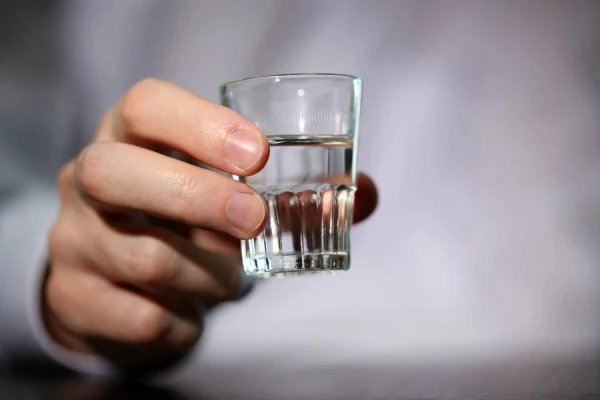
Good vodka differs from mediocre vodka primarily in the quality of the alcohol.
It is not so important whether the vodka is purified with silver or milk, or whether the water for it is taken from artesian wells or mountain springs, or whether hummingbirds sing over the rectification columns during distillation — all of this does not significantly affect the taste of the final drink. What matters is the raw material from which the alcohol is made, how many foreign impurities it contains, and how well it is purified — this is the main component of the taste of vodka and the condition of those who consumed it the next day.
Let’s explore what types of alcohol exist and what drinks are produced from them.
It should be noted that we are talking about alcohol obtained through rectification.
Rectified Alcohol
It is obtained from raw alcohol — the product of the first distillation of mash. During the second distillation in the rectification column, the alcohol is purified better than in repeated distillation. Moreover, during rectification, we obtain alcohol stronger than 92%, and at such strength, the main initial taste of the components from which the mash was made is already lost. Industrial rectification columns allow for the production of alcohol with a strength of 96%, which will subsequently be used to make vodka. Raw Materials
Rectified ethyl alcohol for vodka is obtained from grains (wheat and/or rye). Potatoes and potato starch, sugar beets, and black molasses can also be used for alcohol production.
The best taste and quality of alcohol come specifically from grains. Potatoes and other additives produce more impurities and can impart a slight bitterness. The hangover from alcohol made with potatoes and other additives is heavier.
Impurities
During distillation, pure ethyl alcohol is not obtained. There are always impurities present. The alcohol "Alpha" has the least amount of such impurities, while other types of alcohol have more.
Ethyl alcohol may contain a small amount of methyl alcohol, but the main thing is to keep it as low as possible, as well as acetaldehydes — alcohols that are formed at low distillation temperatures. Methanol and acetaldehydes usually come in the first fraction of distillation, known as the "head." This is why it is extremely important to separate the distillation into fractions if you are engaged in home distilling (this applies to both distillation and rectification). In industrial production, fraction separation is not neglected. But in any case, some amount of impurities remains.
Fusel oils give an unpleasant taste and smell to the alcohol, causing a severe hangover. They usually form at the end of distillation.