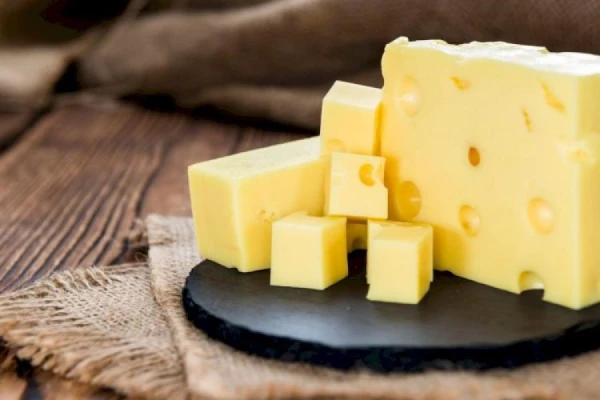
Cheese is rich in protein, but is it suitable for those looking to lose weight? There is an important aspect that many overlook.
If your goal is not only to lose excess weight but also to achieve a slim, toned figure, then proteins play a key role. Firstly, proteins are the main building material for muscle mass. Secondly, a lack of protein in the diet can lead to swelling and a visual increase in weight, notes Doctorpiter. Additionally, protein contributes to a prolonged feeling of fullness, which helps avoid overeating.
However, it is important to remember moderation. There is a protein product that we often consume incorrectly, which can lead to weight gain. Dietitians Tammy and Lissy Lakatos warn: be cautious with cheese.
Cheese is Food Too
Cheese does contain a lot of protein, but most of the calories come from fat. Therefore, if you want to get protein exclusively from cheese, there are many more nutritious and less calorie-dense alternatives high in this macronutrient.
Nevertheless, the main reason cheese can contribute to weight gain is that we often do not perceive it as a complete food. For example, you might eat a chicken breast for lunch and consider it a full meal, while cheese is often seen as a light snack.
Some add cheese as a sauce or seasoning to various dishes without considering its calorie content. For comparison: to obtain 30 grams of pure protein, you would need about 100 grams of chicken breast, which amounts to only 163 calories. At the same time, 200 grams of mozzarella will provide the same amount of protein but already 560 calories, writes ETNT.
The habit of not accounting for a calorie-dense product like cheese when planning your diet can lead to prolonged difficulties with weight loss.
Health Benefits of Cheese
Undoubtedly, cheese has many advantages. It contains B vitamins, as well as vitamins A, C, E, and PP. It is rich in calcium, which is necessary for strong bones, healthy teeth, and nails. The presence of fat can also be considered a positive aspect, as our body cannot function without fats. Cheese contains the amino acid tryptophan, which promotes the production of serotonin — the happiness hormone. This product is also beneficial for the digestive system.
Studies show that moderate cheese consumption may reduce the risk of developing Alzheimer's disease and type 2 diabetes.
Therefore, if you have no contraindications and you enjoy cheese, feel free to indulge. The main thing is not to overdo it, especially if you are in the process of losing weight. Remember that cheese should not be the only source of protein in your diet. Pay attention to legumes, nuts, fish, and poultry.
People with the following diagnoses should completely avoid cheese:
* hypertension;
* kidney diseases;
* migraines.